Herringbone Kitchen Floor Ideas: 29 Stunning Looks to Try

Looking to add character and charm to your cooking space? These Herringbone Kitchen Floor Ideas will help you transform your kitchen with timeless style.
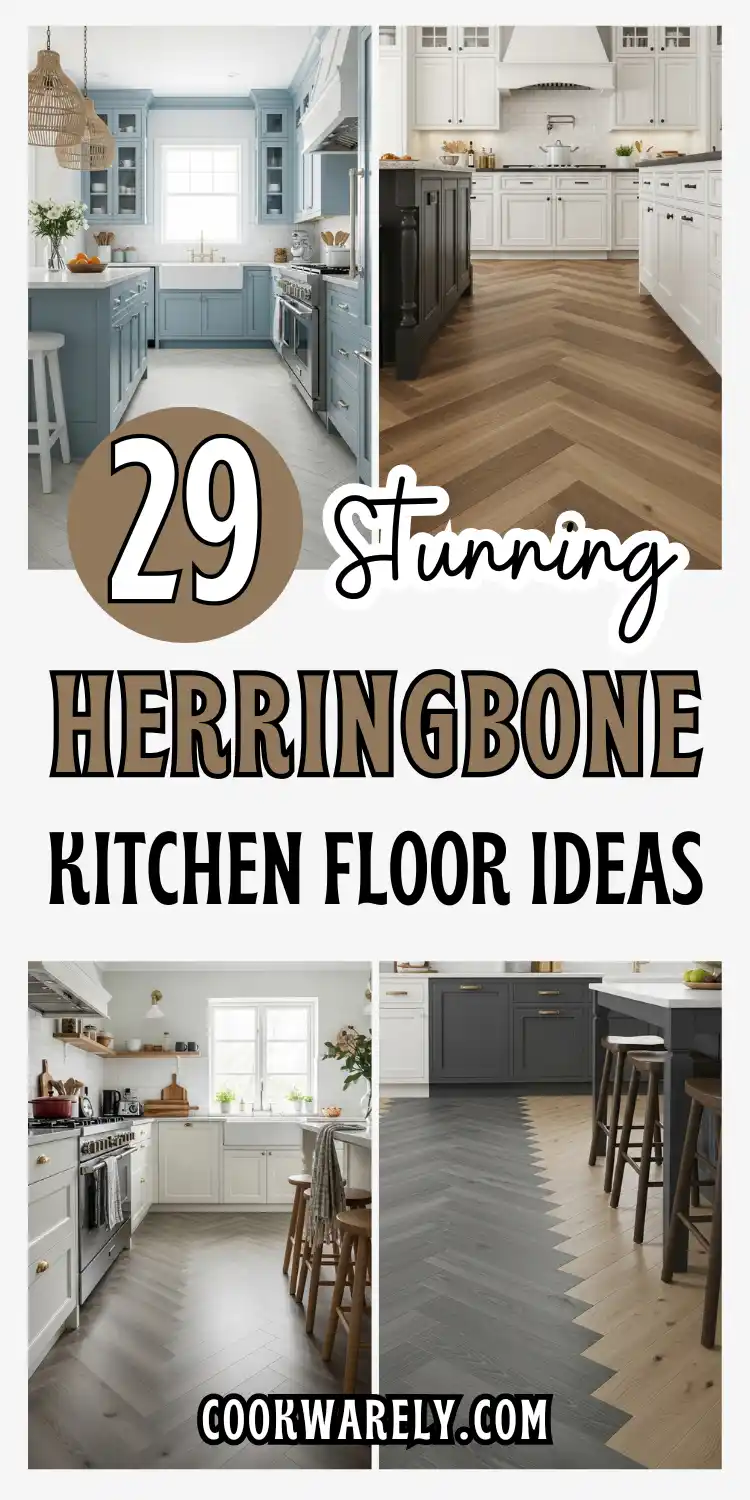
The herringbone kitchen floor has become a timeless design choice that blends classic craftsmanship with modern style.
It’s not just about the pattern — it’s about how this flooring instantly adds rhythm, direction, and movement to any kitchen layout.
From cozy farmhouse kitchens to sleek urban lofts, the herringbone layout effortlessly adapts to a range of aesthetics and color palettes.
🛍️ Top Amazon Deals & Must-Have Finds
Discover great discounts and highly rated products you’ll love—updated regularly so you never miss a smart buy.
*As an Amazon Associate, I earn from qualifying purchases.
This pattern’s charm lies in its geometry — those perfectly angled planks or tiles create visual harmony that makes small spaces look bigger.
If you love design details that quietly make a bold statement, this flooring trend might be your next favorite project.
In this guide, we’ll explore 29 inspiring herringbone kitchen floor ideas — from light oak to polished marble — each offering its own character.
Why Herringbone Floors Work So Well in Kitchens
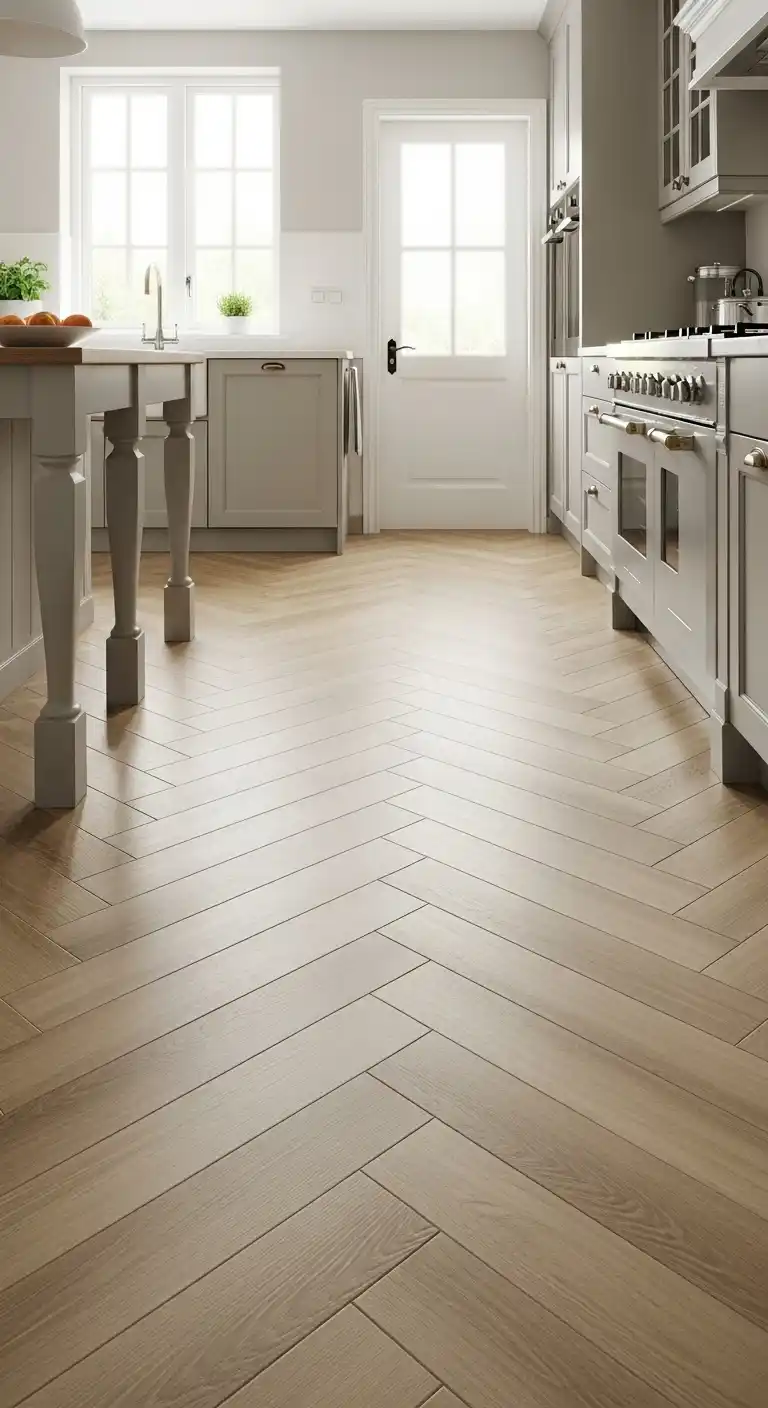
There’s something incredibly satisfying about the symmetry and flow of a herringbone pattern beneath your feet.
It creates a subtle sense of motion that draws your eyes forward, giving even small kitchens a dynamic yet balanced energy.
Because each plank interlocks at an angle, the layout feels intricate without being busy, perfect for both minimalist and detailed interiors.
A herringbone kitchen floor also reflects light beautifully, especially when paired with soft neutrals or light wood finishes.
It helps break up flat surfaces and introduces gentle texture that instantly warms up modern or industrial kitchens.
Unlike trendy tile shapes that fade over time, the herringbone design has centuries of architectural history behind it, ensuring it never looks outdated.
That’s why it remains one of the most enduring and stylish flooring patterns for kitchens of all sizes and themes.
Choosing the Right Material for a Herringbone Kitchen Floor

The material you choose can completely change the mood and function of your kitchen.
Wood brings warmth and authenticity, while tile offers durability and a clean, polished look.
Luxury vinyl and laminate have also evolved to mimic real wood grains or stone textures, giving you both style and practicality.
Hardwood herringbone floors suit traditional or rustic kitchens, while porcelain tiles work best for contemporary or high-traffic spaces.
🛍️ Top Amazon Deals & Must-Have Finds
Discover great discounts and highly rated products you’ll love—updated regularly so you never miss a smart buy.
*As an Amazon Associate, I earn from qualifying purchases.
For those who want low maintenance, vinyl herringbone flooring is water-resistant, easy to install, and surprisingly elegant in finish.
Your material choice should reflect how you live — whether you cook daily, entertain often, or simply want something easy to maintain.
Remember, the key is not just the look but also how well your chosen material complements your cabinetry, lighting, and kitchen layout.
29 Herringbone Kitchen Floor Ideas
1. Classic Oak Herringbone for a Warm Farmhouse Feel
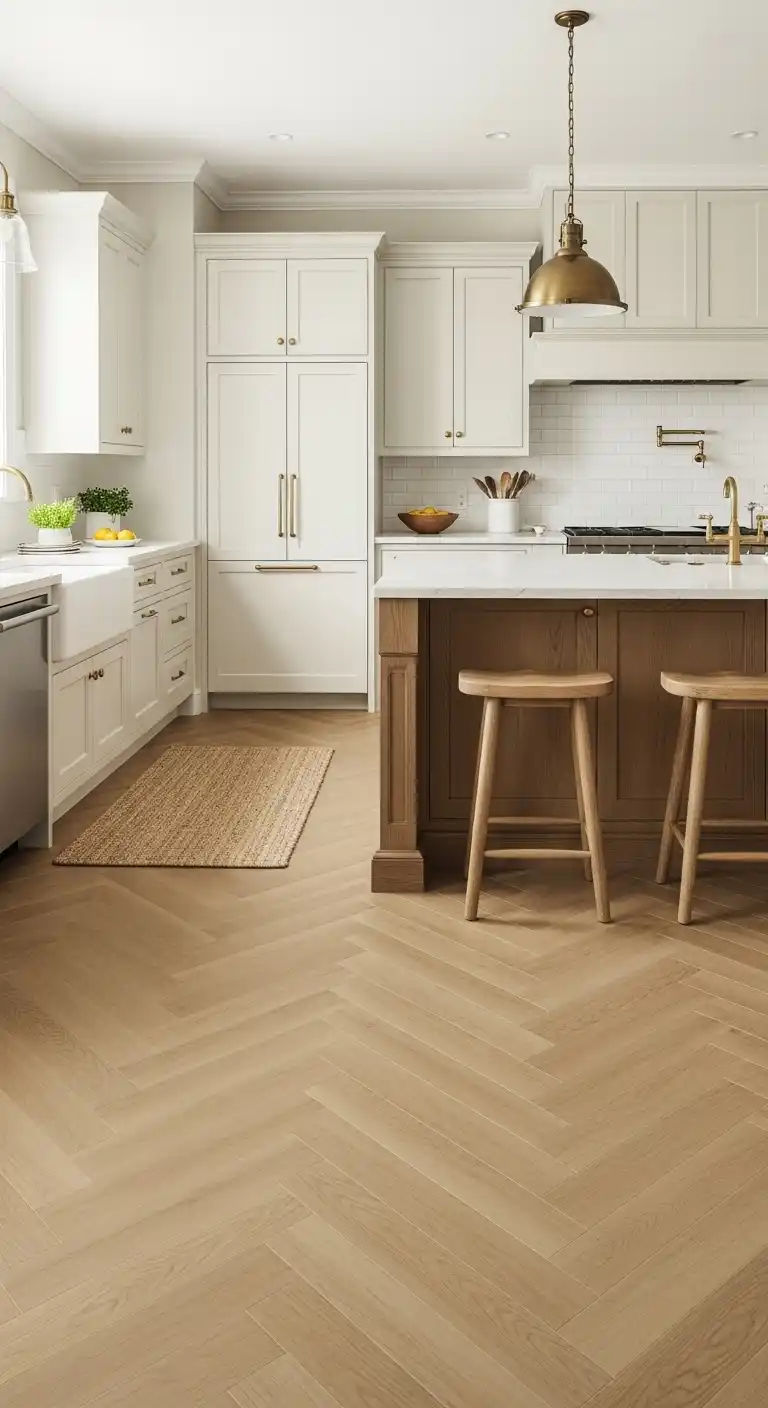
Nothing beats the comfort and character of natural oak when styled in a herringbone layout.
It brings instant coziness and rustic charm, especially when paired with soft cream cabinets and brushed brass fixtures.
The warm undertones of oak make the space feel inviting and lived-in without overwhelming the senses.
This look is ideal for open-concept kitchens where you want continuity and warmth flowing through every corner.
Add a jute rug or a few wooden bar stools to enhance the farmhouse personality even more.
If you’re after timeless elegance that never feels staged, oak herringbone flooring delivers it with effortless charm.
2. Whitewashed Herringbone Floors for a Coastal Vibe

Whitewashed wood floors immediately remind you of breezy beach houses and sunlit mornings.
A herringbone pattern adds sophistication to that coastal ease, giving your kitchen both charm and visual interest.
This idea works beautifully with blue or sea-glass cabinetry, rattan pendant lights, and simple white countertops.
🛍️ Top Amazon Deals & Must-Have Finds
Discover great discounts and highly rated products you’ll love—updated regularly so you never miss a smart buy.
*As an Amazon Associate, I earn from qualifying purchases.
The light tones make small kitchens appear brighter and more open while keeping the atmosphere relaxed and airy.
It’s perfect for those who want to channel coastal style without being too literal about beach-themed decor.
A whitewashed herringbone kitchen floor feels refreshing, versatile, and effortlessly serene.
3. Bold Black Herringbone Tiles for Modern Drama

If your kitchen needs a statement moment, black herringbone tiles are your go-to move.
The contrast between dark floors and bright cabinets instantly creates modern drama and architectural depth.
Matte finishes keep the look sophisticated rather than flashy, especially under warm lighting or gold-accented fixtures.
This flooring idea works perfectly in minimalist or industrial-style kitchens where clean lines and contrasts dominate the design.
Pair with white walls or marble countertops to balance the intensity and prevent the room from feeling too heavy.
The result is bold, confident, and unapologetically stylish — a modern take on the classic herringbone pattern.
4. Gray Washed Wood for a Scandinavian Twist

Gray washed wood is the secret to achieving that understated, calm, and functional Scandinavian look.
When laid in a herringbone pattern, it adds subtle movement without losing the clean aesthetic.
Pair it with matte white cabinets, light oak accents, and neutral textiles to create a soothing and cohesive space.
🛍️ Top Amazon Deals & Must-Have Finds
Discover great discounts and highly rated products you’ll love—updated regularly so you never miss a smart buy.
*As an Amazon Associate, I earn from qualifying purchases.
This look thrives on natural light, so keep window treatments minimal to allow the flooring’s soft tones to shine.
The gray tones make your kitchen feel contemporary yet timeless — perfect for those who love simplicity with depth.
If you want balance between warmth and minimalism, gray herringbone wood flooring captures that Nordic charm beautifully.
5. Polished Marble Herringbone Floors for Luxury Appeal

Polished marble floors instantly elevate any kitchen with elegance and refinement.
In a herringbone layout, the veining of the marble becomes part of the visual rhythm, making each piece feel like art.
This design suits open spaces, especially when paired with neutral cabinetry and subtle metallic accents.
Use soft lighting to highlight the texture and sheen of the marble without overpowering the rest of your kitchen design.
Though marble requires some maintenance, its timeless beauty makes it a worthy investment for luxury homes.
It’s the perfect match for those who prefer sophistication wrapped in simplicity.
6. Terracotta Herringbone Floors for a European Touch

Terracotta herringbone floors bring warmth, nostalgia, and a distinct European charm to your kitchen.
Their earthy tones instantly make the space feel grounded and welcoming.
This flooring style pairs effortlessly with white plaster walls, rustic wood beams, and copper fixtures.
🛍️ Top Amazon Deals & Must-Have Finds
Discover great discounts and highly rated products you’ll love—updated regularly so you never miss a smart buy.
*As an Amazon Associate, I earn from qualifying purchases.
It’s ideal for Mediterranean-inspired or Tuscan-style kitchens that embrace organic materials and imperfect finishes.
The herringbone layout keeps the design feeling intentional rather than rustic chaos.
Terracotta’s natural warmth and texture create a cozy yet stylish atmosphere that stands the test of time.
7. Patterned Ceramic Herringbone for Playful Personality

If you love color and creativity, patterned ceramic tiles in a herringbone layout are a stunning way to express it.
Mix subtle geometric or floral patterns in neutral shades for visual depth without chaos.
This idea brings artistry to your kitchen while keeping it easy to clean and maintain.
It’s a fun choice for eclectic, boho, or modern kitchens that want a touch of individuality.
Pair with simple cabinets and countertops so your flooring takes center stage.
The result feels cheerful, dynamic, and full of personality — exactly what every creative cook deserves.
8. Light Maple Wood for a Bright and Airy Look

Light maple flooring reflects natural light beautifully, creating a sense of openness and freshness.
When arranged in a herringbone layout, it adds texture without overpowering the calm atmosphere.
This look suits minimalist or transitional kitchens where balance and brightness are key.
Pair it with white quartz countertops, subtle metallic fixtures, and glass accents for a cohesive aesthetic.
Light maple also hides dust and scratches better than darker woods, making it practical for busy families.
🛍️ Top Amazon Deals & Must-Have Finds
Discover great discounts and highly rated products you’ll love—updated regularly so you never miss a smart buy.
*As an Amazon Associate, I earn from qualifying purchases.
It’s an effortless way to make your kitchen feel cheerful and clean year-round.
9. Reclaimed Wood Herringbone for Eco-Friendly Style

Reclaimed wood tells a story, and when laid in a herringbone pattern, it becomes the focal point of your kitchen.
Each plank carries unique grain patterns and aged tones that add authenticity and warmth.
This eco-friendly option not only looks good but also supports sustainable design choices.
It’s ideal for rustic, industrial, or modern farmhouse kitchens that value history and craftsmanship.
Pair with matte black or brushed steel fixtures for a sophisticated contrast.
A reclaimed wood herringbone kitchen floor proves that sustainability and style can walk hand in hand.
10. Slate Herringbone Tiles for Industrial Chic

Slate offers a bold, textured finish that brings raw beauty to your kitchen floor.
The natural variations in color give depth and visual interest to an otherwise neutral palette.
In a herringbone pattern, slate looks refined rather than rugged, perfect for urban lofts or contemporary homes.
Combine it with open shelving, exposed brick, and metallic accents to complete the industrial aesthetic.
Its durability and slip resistance make it a smart choice for high-traffic kitchens.
🛍️ Top Amazon Deals & Must-Have Finds
Discover great discounts and highly rated products you’ll love—updated regularly so you never miss a smart buy.
*As an Amazon Associate, I earn from qualifying purchases.
Slate herringbone flooring perfectly balances durability, style, and an unmistakably cool attitude.
11. White Tile Herringbone Floors for a Clean and Fresh Feel

White tiles laid in a herringbone pattern bring a crisp and refreshing look to any kitchen.
They reflect light beautifully, creating an open and spacious feeling even in compact kitchens.
This option works especially well in modern and Scandinavian-inspired spaces that value brightness and simplicity.
To add depth, choose slightly textured tiles or ones with a matte finish for a softer visual effect.
Pair them with wooden accents or soft pastel cabinets to keep the room from feeling too sterile.
A white herringbone kitchen floor offers timeless appeal and complements almost every design palette imaginable.
12. Charcoal Gray Herringbone for Contemporary Sophistication

Charcoal gray herringbone floors are an excellent way to introduce understated luxury into your kitchen.
The darker hue grounds the space while highlighting lighter cabinetry and metallic accents.
This style works particularly well in contemporary homes that lean toward minimalism and clean architectural lines.
Add warmth with wooden bar stools or soft pendant lighting to balance the cooler undertones.
The result feels modern, calm, and polished — like a page straight out of a high-end interior magazine.
🛍️ Top Amazon Deals & Must-Have Finds
Discover great discounts and highly rated products you’ll love—updated regularly so you never miss a smart buy.
*As an Amazon Associate, I earn from qualifying purchases.
Charcoal gray herringbone flooring is the subtle showstopper your kitchen never knew it needed.
13. Parquet-Style Herringbone for Traditional Elegance

Parquet-style herringbone flooring is a nod to European grandeur and timeless craftsmanship.
It features intricate wood arrangements that showcase pattern and depth in every direction.
This flooring works beautifully with classic cabinetry, ornate molding, or gold hardware that enhances the sense of old-world sophistication.
A polished or satin finish can highlight the wood’s natural variation while preserving a sense of warmth and comfort.
It’s ideal for homeowners who want a kitchen that feels both elegant and deeply personal.
Parquet herringbone floors add richness that transcends trends and brings a story to every step.
14. Concrete-Look Herringbone Tiles for Urban Minimalism

For a sleek, industrial-inspired kitchen, concrete-look herringbone tiles deliver texture without visual clutter.
They add depth and character while maintaining a neutral base that’s easy to style.
This flooring pairs perfectly with matte black cabinets, open shelving, and simple hardware for an effortlessly cool vibe.
Their durability makes them perfect for high-traffic kitchens, especially in apartments or loft-style homes.
Use warm lighting or wood details to prevent the look from feeling too cold or harsh.
Concrete-look herringbone floors are modern minimalism at its best — edgy, practical, and surprisingly cozy.
15. Blue-Toned Herringbone Floors for a Coastal Refresh

A soft blue-toned herringbone floor instantly infuses your kitchen with coastal charm and tranquility.
The subtle color variation feels breezy and uplifting, reminiscent of ocean waves meeting pale sand.
Pair it with white cabinetry, woven textures, and glass details for a coastal kitchen that feels timeless yet fresh.
Blue tones are soothing and versatile, creating a calm backdrop for both cooking and entertaining.
This idea works especially well in open kitchens with lots of natural light.
A blue herringbone kitchen floor feels both artistic and effortlessly relaxed — perfect for coastal living lovers.
16. Checkerboard Herringbone Mix for Artistic Impact

For those who crave something bold, a checkerboard-inspired herringbone floor adds a unique, graphic statement.
Alternate between light and dark planks or tiles to create visual rhythm and depth.
This approach works best in spacious kitchens where the floor pattern can truly shine.
Pair with solid-colored cabinets to balance the complexity of the design.
While it’s daring, the result feels artful and custom-made, reflecting personality and confidence.
This creative twist on traditional herringbone proves that flooring can be both functional and beautifully expressive.
17. Wide Plank Herringbone for a Modern Rustic Fusion

Wide planks laid in a herringbone design bring an updated rustic aesthetic to your kitchen.
The larger scale emphasizes the pattern without making it feel too busy or traditional.
This flooring style looks stunning in open-plan homes where you want warmth and modernity to coexist.
Pair with warm neutrals, organic materials, and simple decor for a harmonious result.
It’s perfect for homeowners who appreciate craftsmanship and character but prefer a cleaner, more contemporary twist.
Wide plank herringbone floors blend rustic comfort with modern sophistication effortlessly.
18. Glazed Porcelain Herringbone for High-End Shine

Glazed porcelain tiles create a smooth, glossy surface that reflects light beautifully.
When arranged in a herringbone pattern, they bring instant polish and refinement to your kitchen design.
Porcelain is also highly durable and water-resistant, making it ideal for busy kitchens that demand both beauty and practicality.
Choose soft beige, taupe, or cream shades for a more luxurious and balanced effect.
This flooring works particularly well with glass backsplashes or metallic hardware for added glamour.
Glazed porcelain herringbone floors elevate your kitchen without requiring constant upkeep or worry.
19. Mixed Material Herringbone for Eclectic Energy

Combining different materials like wood, stone, and ceramic in a herringbone layout creates a truly custom look.
This mix introduces contrast, texture, and visual rhythm that feels spontaneous yet cohesive.
It’s an exciting choice for creative homeowners who want their kitchens to tell a story.
Make sure to choose materials with similar thickness to ensure seamless installation.
The result is a floor full of depth, character, and movement — perfect for eclectic or transitional interiors.
Mixed material herringbone floors bring personality to every corner of your kitchen.
20. Dark Walnut Herringbone for Dramatic Warmth

Dark walnut offers the best of both worlds: richness and sophistication wrapped in warmth.
In a herringbone pattern, the wood’s deep tones and natural grain add irresistible texture.
This look works beautifully in classic or modern kitchens where contrast plays a central role.
Pair with ivory cabinets, gold hardware, or white marble counters to create stunning visual balance.
The depth of walnut brings coziness without feeling heavy or old-fashioned.
It’s an elegant way to infuse warmth and timeless luxury into your kitchen’s foundation.
21. Light Stone Herringbone for Natural Serenity

A light stone herringbone floor brings calmness and understated luxury to any kitchen setting.
Its soft beige or ivory tones mimic natural landscapes, creating a tranquil foundation that complements nearly every design style.
This look works beautifully with wooden or white cabinetry, introducing earthy texture without feeling rustic.
Stone is durable, timeless, and cool underfoot, making it perfect for warmer climates or sunny kitchens.
If you prefer organic elegance over bold statements, a light stone herringbone kitchen floor achieves that effortlessly.
It’s a design that feels peaceful, grounded, and refreshingly minimal.
22. Brick Herringbone Floors for Vintage Personality

Brick in a herringbone layout adds incredible warmth and nostalgic charm to your kitchen.
Its rich texture brings visual depth while telling a story of craftsmanship and tradition.
This flooring option is perfect for rustic, farmhouse, or industrial-style kitchens that embrace tactile materials and character.
Seal the surface to make it easier to clean while preserving the authentic, lived-in look.
Pair with open shelving, vintage-inspired lighting, or wooden countertops for cohesive charm.
Brick herringbone floors feel cozy, welcoming, and full of personality that modern materials rarely match.
23. Chevron-Inspired Herringbone for a Geometric Edge

A chevron-inspired herringbone pattern adds a sharper, more modern twist to the traditional layout.
While the two designs are similar, chevron uses cut ends that form a continuous “V” pattern for visual precision.
This approach enhances geometry and flow, giving your kitchen a sleeker, more contemporary edge.
Choose materials like marble, tile, or engineered wood for a clean, seamless appearance.
It’s perfect for homeowners who want architectural interest without overpowering their space.
Chevron-style herringbone floors make your kitchen look intentional, structured, and uniquely tailored.
24. Soft Beige Herringbone for Timeless Versatility

Soft beige herringbone flooring offers a neutral base that adapts beautifully to evolving decor styles.
It’s light enough to brighten small spaces yet warm enough to feel cozy and inviting.
Beige tones harmonize with any cabinet color, from navy blues to crisp whites or natural oak.
This flooring choice is perfect for those who love subtle sophistication that doesn’t demand constant attention.
It’s neutral but never boring — an easy way to achieve a classic and enduring kitchen look.
Soft beige herringbone floors quietly elevate your home’s aesthetic without stealing the spotlight.
25. Reclaimed Brick and Wood Mix for Rustic Refinement

Mixing reclaimed brick and wood in a herringbone layout combines rough and refined textures beautifully.
This unique combination creates a layered visual story that feels both lived-in and luxurious.
Use muted tones like clay red and honey brown for harmony rather than contrast.
This flooring suits kitchens with farmhouse or cottage-inspired decor that celebrates authenticity.
Each section of reclaimed material adds depth, warmth, and personality that’s impossible to replicate with new materials.
It’s a design choice that feels soulful, creative, and perfectly imperfect in the best way possible.
26. White and Gray Marble Mix for Subtle Glamour

Blending white and gray marble in a herringbone layout gives your kitchen a touch of sophistication without overwhelming opulence.
The soft color contrast enhances depth while keeping the overall feel airy and modern.
It’s an excellent choice for open kitchens that share light with adjoining dining or living areas.
Complement the marble tones with chrome fixtures or glass accents to highlight the natural veining.
While luxurious, this design still feels approachable and versatile enough for everyday life.
A white and gray marble herringbone floor delivers subtle glamour with long-lasting appeal.
27. Matte Finish Herringbone Floors for Modern Softness

Matte finishes have a contemporary charm that glossy surfaces often lack.
They diffuse light gently, adding warmth and softness to your kitchen’s overall mood.
When used in a herringbone pattern, the texture becomes more tactile and organic.
This flooring style works beautifully in neutral or monochromatic kitchens seeking quiet sophistication.
It’s also practical — fingerprints, dust, and small scratches are far less visible on matte surfaces.
Matte herringbone flooring embodies modern comfort wrapped in understated elegance.
28. Two-Tone Herringbone for Visual Interest

A two-tone herringbone floor introduces contrast and energy without overwhelming your kitchen’s design.
Combine shades of light oak and walnut, or mix gray and natural wood tones for balance.
This approach breaks monotony while emphasizing the pattern’s unique geometry.
It’s perfect for transitional kitchens that blend modern and traditional elements harmoniously.
Keep surrounding decor simple so the flooring remains the focal point.
Two-tone herringbone floors are dynamic, creative, and visually satisfying from every angle.
29. Painted Herringbone Floors for Creative Expression

Painted herringbone floors allow for ultimate customization and creativity.
Whether you opt for muted tones or playful pastels, painted wood planks can completely transform your kitchen’s character.
Use stencils or painter’s tape to achieve crisp lines that emphasize the herringbone pattern.
This is a great DIY-friendly approach for updating existing wood floors on a budget.
Seal the surface with a durable topcoat to maintain longevity and protect against wear.
Painted herringbone floors offer endless possibilities for personalization and charm.
Styling Tips to Complement a Herringbone Kitchen Floor

Once your floor is installed, styling the rest of your kitchen becomes an exercise in harmony.
Let the pattern shine by choosing cabinetry, lighting, and furniture that support — not compete with — the flooring.
If your herringbone kitchen floor features wood tones, balance them with contrasting textures like matte metals or linen fabrics.
For tiled floors, soften the space using woven baskets, greenery, or natural wood stools.
Consider directionality too — align your rug or island with the herringbone flow for subtle visual continuity.
Small, thoughtful styling decisions make your entire kitchen feel cohesive and professionally designed.
Maintaining Your Herringbone Kitchen Floor

A herringbone pattern’s beauty lies in its detail, so keeping it well-maintained preserves its charm for years.
Regularly sweep or vacuum to remove grit that can dull the finish.
Use a damp mop with gentle, non-acidic cleaners suitable for your flooring material.
Avoid excess water, especially on wood or laminate, to prevent warping or discoloration.
Every few months, check grout lines or seals to ensure long-term durability.
A little routine care keeps your herringbone kitchen floor looking polished, pristine, and photo-ready every day.
Final Wrap-Up
The herringbone kitchen floor is more than just a layout — it’s a design language that speaks of craftsmanship, movement, and timeless appeal.
From rustic brick to sleek marble, this pattern adapts to any aesthetic while bringing subtle elegance to your space.
Its beauty lies in the balance between order and creativity, between tradition and modern design.
Whether you lean toward coastal calm or urban sophistication, there’s a herringbone idea that fits your home perfectly.
So, take inspiration from these 29 ideas and let your kitchen floor tell a story of texture, warmth, and timeless style.