How to Caulk Kitchen Backsplash: A Step-by-Step Guide


Updating your kitchen backsplash can completely refresh the look of your space, but one often-overlooked detail is caulking.
Proper caulking seals gaps between tiles, counters, and walls, preventing water damage and keeping your kitchen looking clean and polished.
In this guide, we will cover how to caulk kitchen backsplash efficiently, with tips to ensure a professional finish.
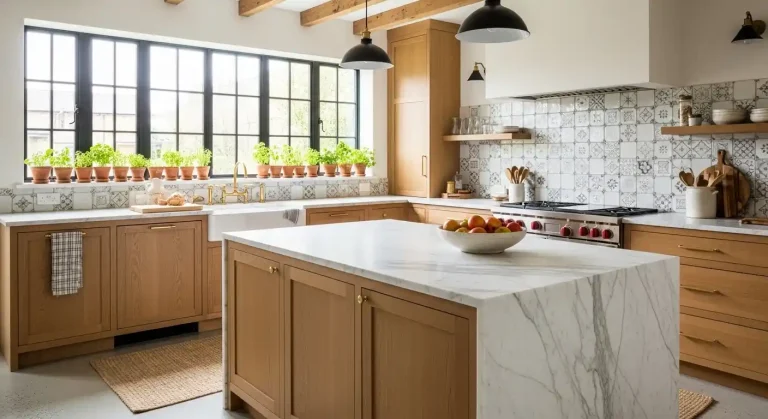
Whether your kitchen features subway tiles, stone backsplashes, or colorful patterns, the right caulking technique enhances durability and style.
For inspiration before you begin, check our timeless backsplash kitchen ideas to see how caulked edges complement various designs.
Why Caulking Your Kitchen Backsplash Matters

Caulking is more than just a cosmetic detail; it protects your kitchen from moisture, spills, and mildew.
Over time, even small gaps between the backsplash and countertop can accumulate grime and water damage, leading to costly repairs.
A clean, well-applied caulk line improves the kitchen’s overall appearance, giving tiles a polished, finished look.
It also helps in maintaining hygiene, as bacteria and mold are less likely to grow in sealed gaps.
By learning how to caulk kitchen backsplash correctly, you extend the lifespan of your tile and countertop while keeping the space visually appealing.
For design ideas that work well with sealed edges, explore kitchen backsplash ideas with white cabinets.
Tools and Materials You’ll Need

Before starting, gather the right tools to ensure a smooth and professional finish.
You will need:
- Painter’s tape
- A caulking gun
- Silicone or acrylic caulk
- A utility knife
- A damp cloth
- A small smoothing tool or your finger
Choose caulk that is specifically labeled for kitchen or bathroom use, as it resists mold and mildew.
Clear or white silicone caulk works well with most tiles, while color-matched options blend seamlessly with your grout or countertops.
Using the right tools prevents messy lines and helps maintain consistent pressure while applying caulk along the backsplash.
For preparation tips, see our guide on kitchen backsplash designs with subway tile.
Preparing the Area for Caulking
Start by cleaning the area thoroughly, removing dust, grease, or old caulk using a utility knife or scraper.
Dry the surface completely; caulk adheres better to dry surfaces, ensuring a strong and long-lasting seal.
Use painter’s tape along the edges to create straight lines and prevent excess caulk from spreading onto tiles or countertops.
Ensure any gaps are free from debris; even small particles can prevent the caulk from bonding properly.
Preparation may seem tedious, but taking the time ensures a smooth, professional-looking finish that lasts for years.
For removal techniques of old backsplash or grout, see how to install and remove a kitchen backsplash.
Step-by-Step Guide: How to Caulk Kitchen Backsplash
Cut the caulk tube tip at a 45-degree angle to control the flow and ensure a smooth bead.
Load the tube into a caulking gun and practice squeezing on a scrap surface for even pressure.
Apply caulk steadily along the gap between the countertop and backsplash, maintaining consistent speed and pressure.
Smooth the bead immediately using a damp cloth or a smoothing tool, pressing gently to fill gaps completely.
Remove the painter’s tape before the caulk dries to prevent pulling away any of the fresh bead.
Allow the caulk to cure according to manufacturer instructions, usually 24 hours, before exposing it to water.
For additional backsplash styling ideas, visit kitchen backsplash tile designs.
Tips for a Clean and Professional Finish
Work in small sections to maintain control and prevent the caulk from drying too quickly.
Keep a damp cloth or sponge nearby to wipe away excess immediately.
Use consistent pressure on the caulking gun to avoid gaps or uneven lines.
Smooth each section with a tool or finger dipped in water or a mild soapy solution.
Choose high-quality silicone or acrylic caulk to avoid cracking or yellowing over time.
For creative backsplash combinations, check kitchen stone backsplash designs for ideas that pair well with sealed edges.
Common Mistakes to Avoid When Caulking
Applying too much caulk can create a messy line that is difficult to smooth.
Failing to clean and dry the area beforehand may cause the caulk to lift or peel prematurely.
Waiting too long to smooth the bead can result in uneven texture and air bubbles.
Using the wrong type of caulk can lead to cracking or mildew growth in moist kitchen environments.
Take your time, follow steps carefully, and avoid rushing to achieve professional results.
For inspiration for backsplashes behind stoves or high-use areas, see kitchen backsplash designs behind stove.
Maintenance and Longevity Tips
Inspect caulk lines periodically to check for cracks or separation, especially in high-use areas.
Clean regularly with a mild detergent to prevent buildup of grease, dirt, or mildew.
Re-caulk any damaged areas promptly to maintain a water-tight seal.
Using high-quality, mold-resistant caulk ensures your backsplash remains functional and attractive for years.
If you want to explore creative color or paint options for your backsplash, see how to paint your kitchen backsplash.
Choosing the Right Caulk for Your Kitchen
Silicone caulk is water-resistant and flexible, making it perfect for kitchen areas with moisture exposure.
Acrylic latex caulk is paintable and easy to clean, ideal for areas where color matching is important.
Always check that the caulk is labeled mold- and mildew-resistant for kitchen applications.
Consider using clear caulk if you want a subtle, invisible seal or white to match common countertops and tiles.
For additional ideas on choosing backsplashes, see how to choose kitchen backsplash.
Conclusion
Learning how to caulk kitchen backsplash properly is a simple way to enhance both function and aesthetics in your kitchen.
With the right preparation, tools, and technique, even a beginner can achieve a clean, professional finish.
Regular maintenance ensures longevity, prevents water damage, and keeps your kitchen looking polished.
Pairing caulking with thoughtful backsplash designs, whether subway tile, stone, or colorful patterns, creates a cohesive and stylish kitchen.
For more inspiration, explore kitchen backsplash designs with gray cabinets or kitchen backsplash designs with dark cabinets to see how caulked edges enhance overall aesthetics.