How to Clean Linoleum Kitchen Floor: The Ultimate Guide to Maintenance and Care

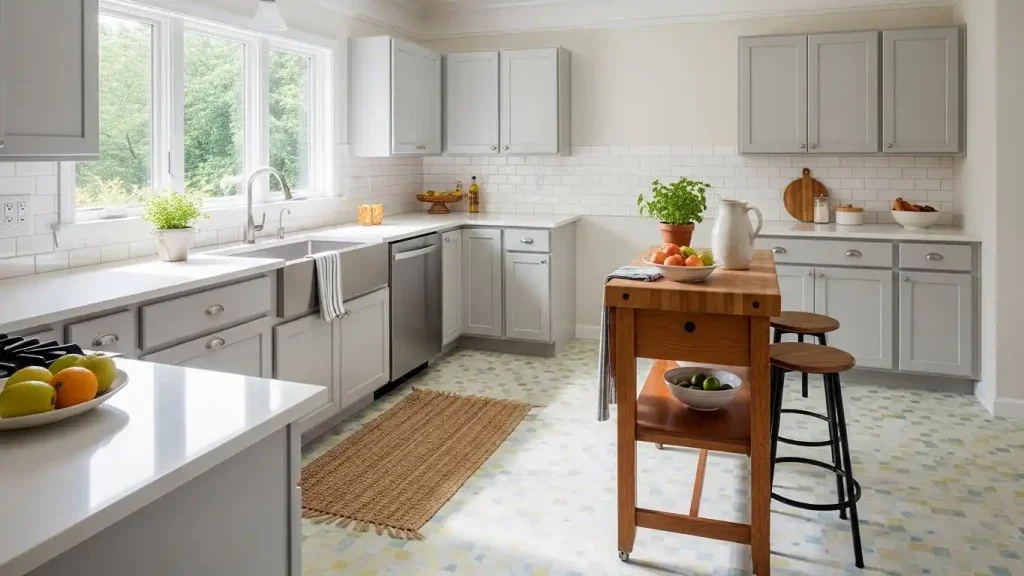
Linoleum is a classic flooring choice that has seen a massive resurgence in recent years. Often praised for its eco-friendly composition and incredible durability, it is a staple in many kitchens.
However, there is a common point of confusion among homeowners: linoleum is frequently mistaken for vinyl.
While they may look similar, they are made of entirely different materials. Linoleum is composed of natural ingredients like linseed oil, cork dust, wood flour, and resin, all pressed onto a jute backing.
Because of its natural makeup, linoleum requires a specific touch when it comes to maintenance. Using the wrong chemicals can damage the linseed oil, leading to brittleness and discoloration.
If you want to keep your kitchen looking pristine, you need to know exactly how to clean linoleum kitchen floor surfaces without compromising their integrity.
In this guide, we will walk you through everything from daily dusting to deep-cleaning techniques, ensuring your floor remains a beautiful centerpiece of your home for decades.
The Golden Rule: Identify Your Floor First
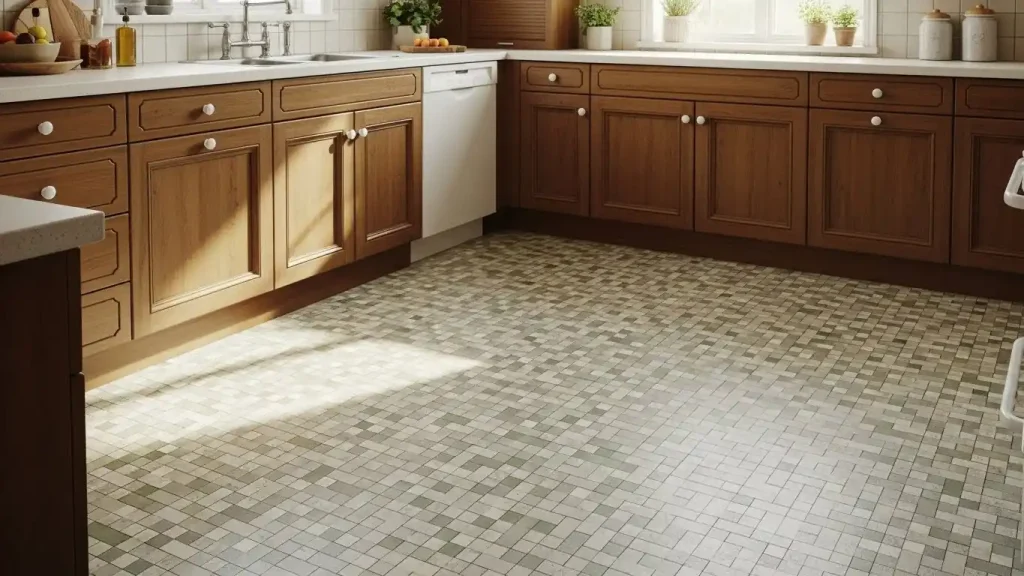
Before we dive into the steps of how to clean linoleum kitchen floor, you must be 100% certain that your floor is actually linoleum and not vinyl.
- Linoleum is the same color all the way through the material. If it gets scratched, the color remains. It feels slightly warmer and softer to the touch.
- Vinyl is a synthetic plastic with a printed pattern on the top layer. If you scratch vinyl, you will often see a white or gray core underneath.
If you have vinyl, you can use harsher cleaners. If you have true linoleum, you must follow the gentle, pH-neutral path outlined below.
Phase 1: Daily and Weekly Maintenance
The secret to a long-lasting linoleum floor isn’t a magical chemical; it’s consistency. Because linoleum is slightly porous, dirt and grit act like sandpaper, wearing down the finish over time.
1. Dry Cleaning (The Most Important Step)
You should sweep or vacuum your kitchen floor at least once every two days. In a high-traffic kitchen, daily is better.
Use a soft-bristle broom or a vacuum setting designed for hard floors (ensure the beater bar is turned off to avoid scratching). Removing loose debris prevents it from being ground into the floor when people walk on it.
2. Spot Cleaning
Spills happen constantly in a kitchen. Whether it’s a drop of pasta sauce or a splash of milk, the key is to wipe it up immediately.
Use a damp microfiber cloth and a drop of mild dish soap. Because linoleum is made with linseed oil, it has natural antimicrobial properties, but standing liquid can still seep into seams and cause the edges to lift.
Phase 2: How to Clean Linoleum Kitchen Floor (The Routine Mop)
When sweeping isn’t enough and the floor starts to look a bit dull, it’s time for a damp mop. You don’t need expensive, specialized cleaners for a routine wash.
What You Will Need:
- A microfiber mop or a string mop (well-wrung).
- Warm water (not hot).
- Mild dish soap or a pH-neutral floor cleaner.
- A bucket.
The Process:
- Prepare the Solution: Fill your bucket with a gallon of warm water. Add just a few drops of mild dish soap. Avoid using “all-purpose” cleaners that contain ammonia or high-alkaline ingredients, as these will strip the shine and damage the linseed oil.
- The “Damp” Technique: Dip your mop and wring it out thoroughly. The mop should be damp, not dripping wet. Excess water is the enemy of linoleum.
- Mop in Sections: Work in small sections, moving toward the exit of the kitchen so you don’t trap yourself in a corner.
- Rinse (Optional but Recommended): If you used a bit too much soap, go over the floor one more time with a mop dampened only with plain water to remove any residue.
- Dry the Floor: This is a crucial step that many skip. Use a clean, dry towel or a dry microfiber mop head to buff the floor dry. This prevents water spots and ensures the floor isn’t slippery.
Phase 3: Deep Cleaning and Stain Removal
Over time, even with regular mopping, a kitchen floor can develop a “film” or stubborn stains. Here is how to handle the heavy-duty stuff.
Dealing with Scuff Marks
Rubber-soled shoes often leave black streaks on linoleum. To remove these, you don’t need chemicals.
Simply take a clean pencil eraser and rub the mark away. Alternatively, a tennis ball can work wonders—just rub the ball over the scuff, and the friction will lift the rubber mark right off.
Using Baking Soda for Tough Grime
If you have a sticky spot that won’t budge, create a paste of baking soda and a tiny amount of water.
Apply it to the spot, let it sit for five minutes, and gently scrub with a soft-bristle brush (like an old toothbrush).
Baking soda is a very mild abrasive, so it’s safe for linoleum as long as you don’t scrub too aggressively.
The Vinegar Debate
Many “green cleaning” blogs suggest using vinegar for everything. While vinegar is great for many surfaces, it is acidic.
Frequent use of undiluted vinegar can eventually dull the finish of linoleum. If you insist on using vinegar, limit it to 1/2 cup per gallon of water and use it sparingly—perhaps once a month rather than every week.
Phase 4: Restoring the Shine (Polishing and Sealing)
If your floor looks “dead” or matte despite being clean, it may have lost its protective coating. Unlike modern luxury vinyl, traditional linoleum often benefits from a periodic application of a sealer or floor finish.
- Strip the Old Wax: If there is a yellowed buildup of old wax, you may need a commercial linoleum stripper. Follow the manufacturer’s instructions carefully.
- Apply a Linoleum Sealer: Look for products specifically labeled for linoleum or “natural stone and clay.” Apply a thin, even coat using a clean applicator.
- Buffing: Once the sealer is dry, you can buff the floor with a soft cloth to bring out a natural, satin glow.
What to Avoid: The “Never” List for Linoleum
Learning how to clean linoleum kitchen floor surfaces is just as much about knowing what not to do. Avoid these common mistakes:
- Never use Steam Mops: The intense heat and moisture of a steam mop can melt the adhesives holding the linoleum down and cause the natural materials to warp or peel.
- Avoid High-pH Cleaners: Ammonia, bleach, and highly alkaline “power” cleaners will chemically “burn” the linseed oil in the floor, leading to permanent yellowing or cracking.
- No Abrasive Scrubbers: Steel wool or stiff wire brushes will create micro-scratches that trap dirt, making the floor even harder to clean in the future.
- Don’t Flood the Floor: Never pour a bucket of water directly onto the floor. Linoleum is water-resistant, but it is not waterproof. Water that gets under the edges can cause rot in the subfloor and mold growth.
Pro Tip: Protecting Your Floor from Future Messes
The best way to make cleaning easier is to prevent the mess from happening in the first place.
- Use Rugs Wisely: Place a breathable rug (avoid rubber-backed rugs, as they can discolor linoleum) in front of the sink and stove to catch grease and water splashes.
- Furniture Pads: Put felt pads under the legs of kitchen chairs and tables. Linoleum is durable, but heavy furniture being dragged across it can gouge the surface.
- Trim Pet Nails: If you have a dog that loves to run through the kitchen, keep their nails trimmed to prevent surface scratches.
Conclusion
Linoleum is a beautiful, sustainable, and incredibly resilient flooring choice. When you know how to clean linoleum kitchen floor areas properly, you aren’t just cleaning; you are preserving a piece of your home’s value.
By sticking to pH-neutral cleaners, avoiding excessive water, and maintaining a regular sweeping schedule, you can keep your linoleum looking as vibrant as the day it was installed.
Remember: treat it like a natural material—with a bit of gentleness and the right tools—and it will serve your kitchen faithfully for thirty or even forty years.