How to Polish Quartz Countertops: A Detailed Answer


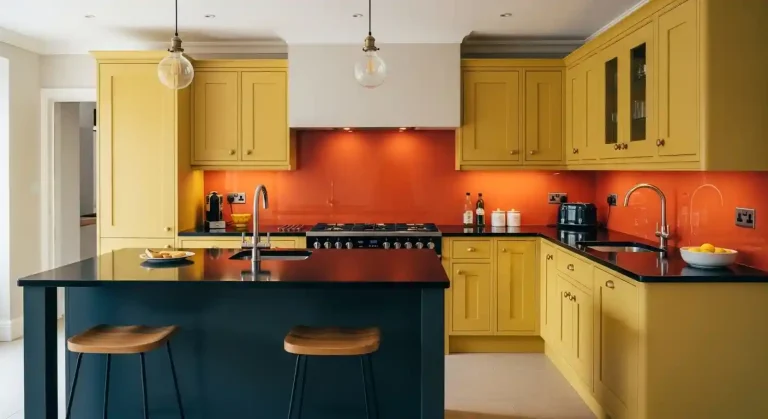
Quartz countertops are a crowning jewel in modern home design. They offer a sophisticated, high-gloss finish that mimics the luxury of natural stone while providing a level of durability that is hard to match.
However, even the most resilient surfaces can lose their luster over time. Whether it’s due to hard water deposits, soap film buildup, or minor surface abrasions, a dull countertop can make an otherwise beautiful kitchen look tired.
If you’ve noticed your surfaces are looking a bit matte or streaky, you’re likely wondering how to polish quartz countertops effectively without causing damage.
Unlike granite or marble, quartz is an engineered material, which means the rules for polishing it are unique.
In this guide, we will explore the best methods for restoring that “showroom shine,” the products you should use, and the mistakes you must avoid.
The Science of the Shine: What Makes Quartz Sparkle?
To understand how to restore the polish, you first need to understand what creates the shine in the first place.
Quartz countertops are made by vibrating a mixture of roughly 90% crushed natural quartz with 10% polyester resins and pigments under a vacuum.
The high-gloss finish isn’t a “coating” or a “wax” applied at the end; it is the result of the factory using heavy-duty industrial polishing pads to buff the resin and stone mixture to a mirror-like finish.
Because the resin is distributed throughout the entire slab, the shine is inherent to the material. When your countertop looks dull, it is usually because something is sitting on top of that finish, or the resin itself has been chemically altered.
Why Do Quartz Countertops Lose Their Luster?
Before we jump into the “how-to,” it is helpful to identify why your countertops look dull. Identifying the culprit will dictate your polishing strategy.
- Soap Scum and Film: This is the most common cause. If you use a lot of dish soap to clean your counters but don’t rinse thoroughly, a thin layer of soap residue builds up. This film attracts dust and oils, creating a cloudy appearance.
- Hard Water Deposits: If you live in an area with hard water, minerals like calcium and magnesium can dry on the surface, leaving white, hazy spots that don’t wipe away with a simple cloth.
- Chemical Etching: Using harsh cleaners like bleach, oven cleaner, or highly acidic substances can “eat” into the resin. This creates a permanent dull spot that feels different to the touch.
- Abrasive Scratches: Using scouring pads or abrasive powders can create thousands of microscopic scratches. While each one is invisible, collectively they scatter light instead of reflecting it, making the surface look matte.
How to Polish Quartz Countertops: A Step-by-Step Guide
Restoring the shine to quartz is usually a process of “deep cleaning and enhancing” rather than mechanical grinding. Follow these steps to bring back the glow.
Step 1: The Deep Surface Clean
The first step in how to polish quartz countertops is removing every trace of grease and surface debris.
- Mix a solution of warm water and a small amount of pH-neutral dish soap.
- Wipe the entire surface down with a soft microfiber cloth.
- The Critical Step: Use a fresh, damp cloth (water only) to “rinse” the counter. You must remove the soap you just applied, or you’ll just be adding to the film.
- Dry the surface completely with a clean, dry microfiber towel. Buffing in circular motions during the drying process is the first step to a streak-free shine.
Step 2: Removing Mineral Buildup
If you see cloudy patches that didn’t come off with soap, you likely have hard water stains.
- Create a 1:1 mixture of distilled white vinegar and water.
- Spray it on the dull areas and let it sit for no more than 5–10 minutes.
- Wipe it away and rinse with plain water.
- Note: While quartz is resistant to acid, you should not leave vinegar on the surface for extended periods, as it can eventually affect the resin.
Step 3: Using a Dedicated Quartz Polish/Enhancer
Once the surface is chemically clean, you can use a commercial quartz polish. It is vital to choose a product specifically formulated for engineered stone, such as Weiman Quartz Clean & Shine or Granite Gold Quartz Brite.
- Spray the enhancer lightly over the surface.
- Using a clean microfiber cloth, spread the product evenly.
- Wait the recommended time (usually a minute) and then buff it out with a separate, dry microfiber cloth. These products contain specialized conditioners that fill in microscopic pores in the resin, enhancing the depth of the color and the brilliance of the reflection.
Step 4: The Glass Cleaner Trick
For a quick, high-gloss finish before guests arrive, many professionals use an ammonia-free glass cleaner.
Ammonia can be too harsh for the resin, but an ammonia-free version (like Windex Crystal Clear) works wonders at removing fingerprints and leaving a streak-free, polished look.
When to Call a Professional: Mechanical Polishing
If your countertops have been damaged by heat (a “burn” mark) or have deep scratches and chemical etching, topical sprays and cleaners will not work.
In these cases, the surface of the resin has been physically altered.
Mechanical polishing involves using diamond-impregnated pads and a wet polisher to grind down the surface of the quartz slightly and then buff it back to a high shine.
Warning: This is not a DIY project. Quartz is extremely hard, and if you use the wrong speed or pressure, you can create “divots” in the stone or generate enough friction heat to melt the resin, turning a small dull spot into a large, scorched disaster.
A professional stone restoration specialist has the tools to match the factory finish perfectly.
Common Mistakes to Avoid When Polishing
In your quest to find out how to polish quartz countertops, you might encounter some bad advice. Avoid these common pitfalls:
- Never Use Floor Wax: It might seem tempting to use a floor wax or a furniture polish to get a shine, but these products are not designed for food-preparation surfaces. They will create a sticky buildup that eventually turns yellow and peels.
- Avoid High-pH Cleaners: Bleach and highly alkaline cleaners will strip the shine off the resin. If you spill a harsh chemical, neutralize it with water immediately.
- Skip the Steel Wool: Never use steel wool or “magic erasers” to try and buff out a stain. These are abrasives that will create a permanent dull patch on your polished quartz.
Maintaining the Shine: Proactive Care
Once you have restored the polish, the goal is to keep it that way. Maintenance is much easier than restoration.
- Use Microfiber Only: Microfiber is designed to pick up particles rather than move them around. It is soft enough to never scratch the resin but effective enough to buff the surface.
- Immediate Spill Cleanup: Pigmented liquids like red wine, coffee, and turmeric can “stain” the resin if left too long. Wipe them up immediately to prevent the need for aggressive cleaning later.
- Trivets are Non-Negotiable: Heat is the number one enemy of quartz polish. A hot pot can cause the resin to “cloud” instantly. Always use a trivet with rubber feet.
- Weekly “Polish” Routine: Once a week, use a dedicated quartz-safe polish/protector. This helps build a very thin, protective barrier that makes daily cleanup easier and keeps the stone looking vibrant.
Conclusion
Learning how to polish quartz countertops doesn’t require expensive machinery or a degree in chemistry. For 95% of homeowners, “polishing” is simply the act of removing the layers of grime, soap, and minerals that are masking the stone’s natural beauty.
By using pH-neutral cleaners, avoiding abrasives, and utilizing a high-quality quartz enhancer, you can keep your kitchen looking brand new.
Your countertops are an investment in your home’s value and aesthetic; treat them with the right products, and they will reward you with a stunning, mirror-like reflection for decades to come.
Remember: the best polish is a clean surface and a little bit of microfiber buffing!