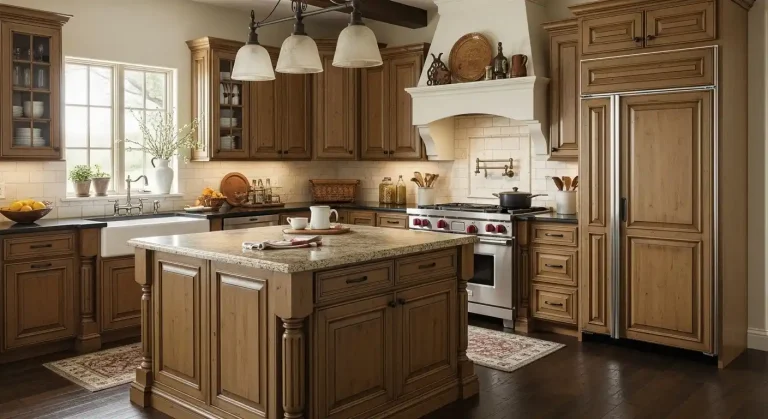
27 Sustainable Wood Kitchen Cabinet Ideas You’ll Love

Looking for a kitchen upgrade that’s stylish and eco-friendly? Sustainable wood kitchen cabinets are a smart choice for homeowners who care about both design and the planet. These curated ideas will show you how to create a beautiful kitchen while making a responsible choice.
When we first talked about renovating our kitchen, I kept coming back to one thought: I wanted it to feel good, not just look good.
Our old cabinets were chipped, mass-produced, and honestly made me feel guilty every time I learned how much waste they created. That’s when I started researching sustainable wood kitchen cabinets, and it changed how I viewed kitchen design entirely.
I realized that cabinets aren’t just a style choice, they’re a long-term decision. From deforestation to chemical finishes, traditional cabinetry often hides a high environmental cost.
But sustainable wood options offered something different: responsibly sourced materials, low-VOC finishes, and craftsmanship that lasts decades instead of years.
Once we installed our sustainably made wood cabinets, the kitchen felt warmer, healthier, and more intentional. The grain told a story, the air felt cleaner, and I finally felt confident that our remodel aligned with our values.
Choosing sustainable wood kitchen cabinets wasn’t just an eco-friendly decision; it was the foundation for a kitchen that truly feels like home.
Why Sustainable Wood Kitchen Cabinets Are Worth the Investment
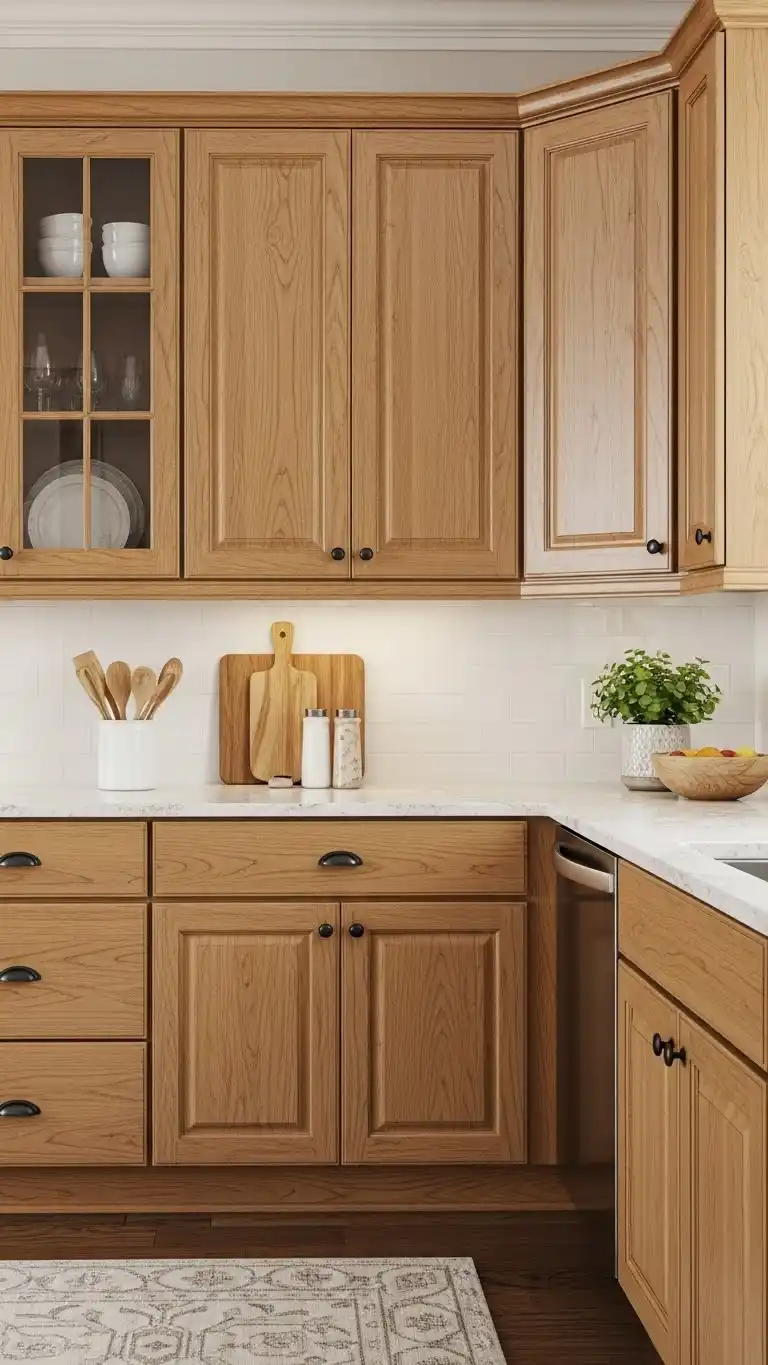
Investing in sustainable wood kitchen cabinets provides both environmental and financial benefits for homeowners.
Eco-friendly cabinets are built to last, which reduces the need for frequent replacements and prevents unnecessary waste over time.
High-quality, responsibly sourced wood ensures that your kitchen maintains its charm and functionality for decades without harming forests or ecosystems.
Sustainable cabinetry supports global environmental initiatives by promoting responsible forestry, recycled materials, and low-impact manufacturing processes.
Over time, the durability of sustainable cabinets can save homeowners money, as they require fewer repairs and replacements compared to conventional options.
Choosing eco-conscious cabinets also aligns with modern lifestyle choices, encouraging healthier living spaces through non-toxic finishes and low-VOC paints.
Ultimately, investing in sustainable wood kitchen cabinets combines aesthetic value, long-term practicality, and environmental responsibility, making it a smart decision for any kitchen renovation.
Key Features to Look for in Eco-Friendly Kitchen Cabinets
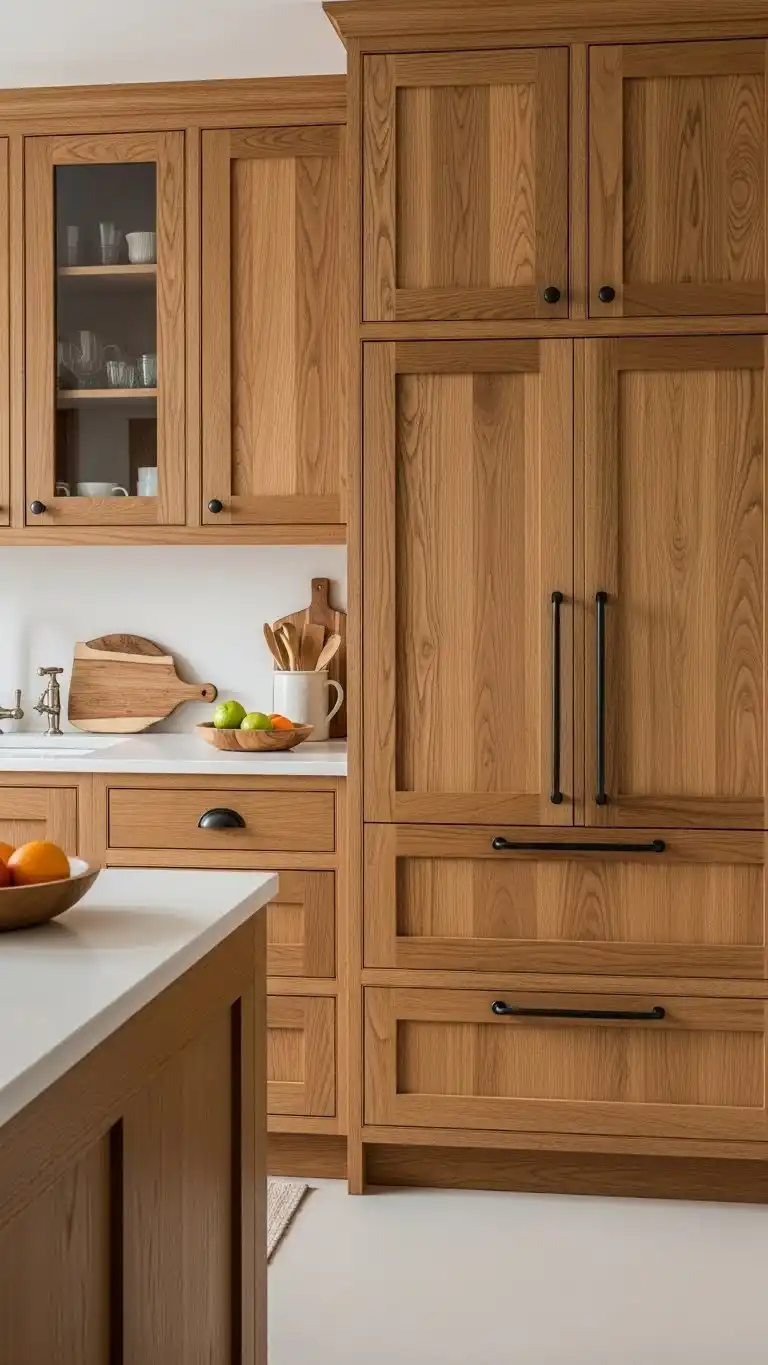
When selecting sustainable wood kitchen cabinets, homeowners should consider several key features to ensure true eco-friendliness.
Look for FSC-certified wood, which guarantees that the material comes from responsibly managed forests and minimizes environmental harm.
Low-VOC finishes and non-toxic paints are essential to maintain indoor air quality while protecting both family members and the planet.
Recycled or reclaimed materials are excellent choices, as they reduce waste while adding unique character and history to your kitchen design.
Cabinets with durable construction and solid joinery contribute to longevity, reducing the need for replacements and minimizing environmental impact.
Eco-conscious hardware, such as recycled metal handles or soft-close mechanisms, can further enhance the sustainability of your cabinetry without compromising style.
By prioritizing these features, homeowners can ensure that their sustainable wood kitchen cabinets are both functional and environmentally responsible.
27 Sustainable Wood Kitchen Cabinets Ideas
1. Reclaimed Wood Cabinets for Rustic Charm
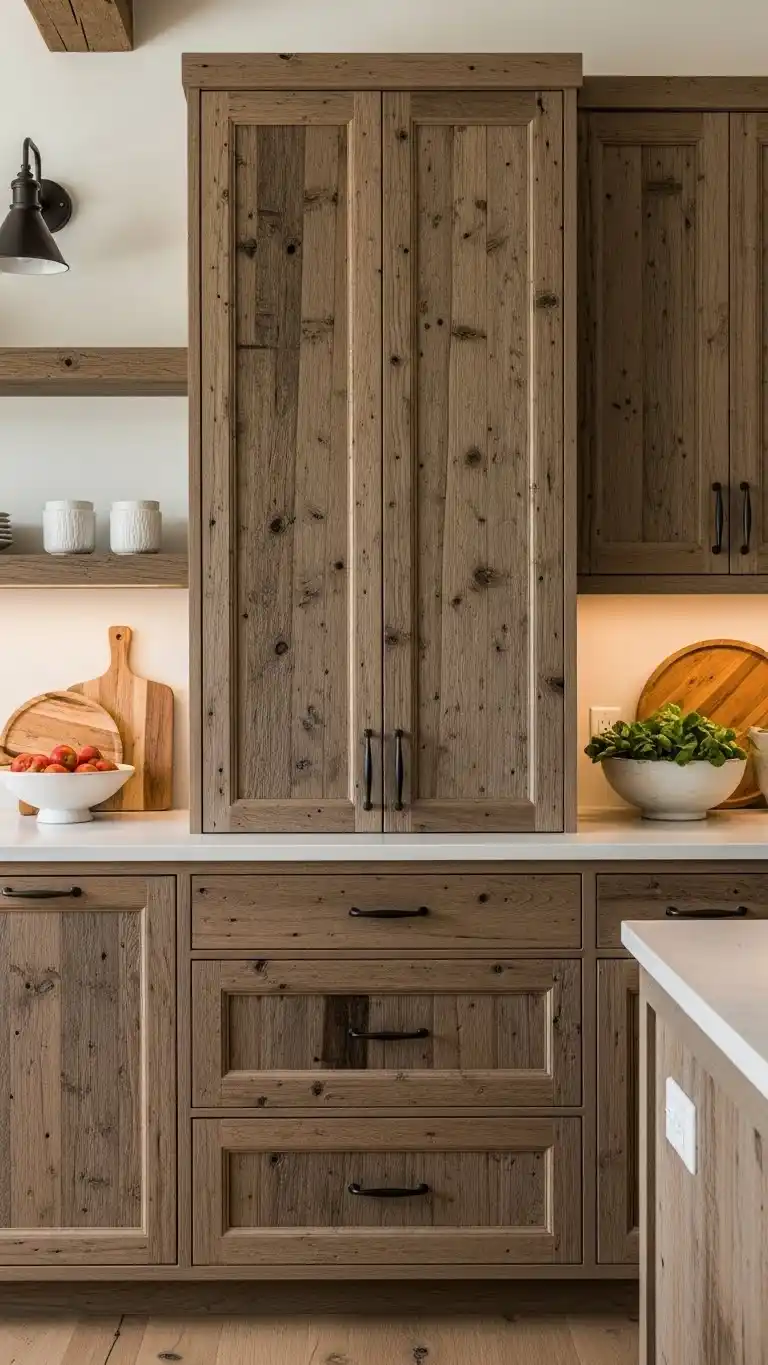
Reclaimed wood cabinets offer a rustic, timeless appeal while supporting sustainable practices that prevent further deforestation.
Each piece of reclaimed wood carries a unique history, texture, and character, making every cabinet one-of-a-kind and visually interesting.
Using reclaimed materials helps reduce waste by repurposing wood from old buildings, furniture, or other sources instead of sending it to landfills.
These cabinets can pair beautifully with neutral tones, warm lighting, and natural stone countertops to create a cohesive rustic kitchen design.
Reclaimed wood cabinets often come pre-aged or can be treated with eco-friendly finishes to preserve their natural beauty without harmful chemicals.
In addition to aesthetics, these cabinets are durable and sturdy, making them a practical, environmentally responsible choice for modern kitchens.
Choosing reclaimed wood cabinets demonstrates a commitment to both sustainable living and distinctive, stylish kitchen design.
2. Bamboo Cabinets as a Fast-Growing Eco Option
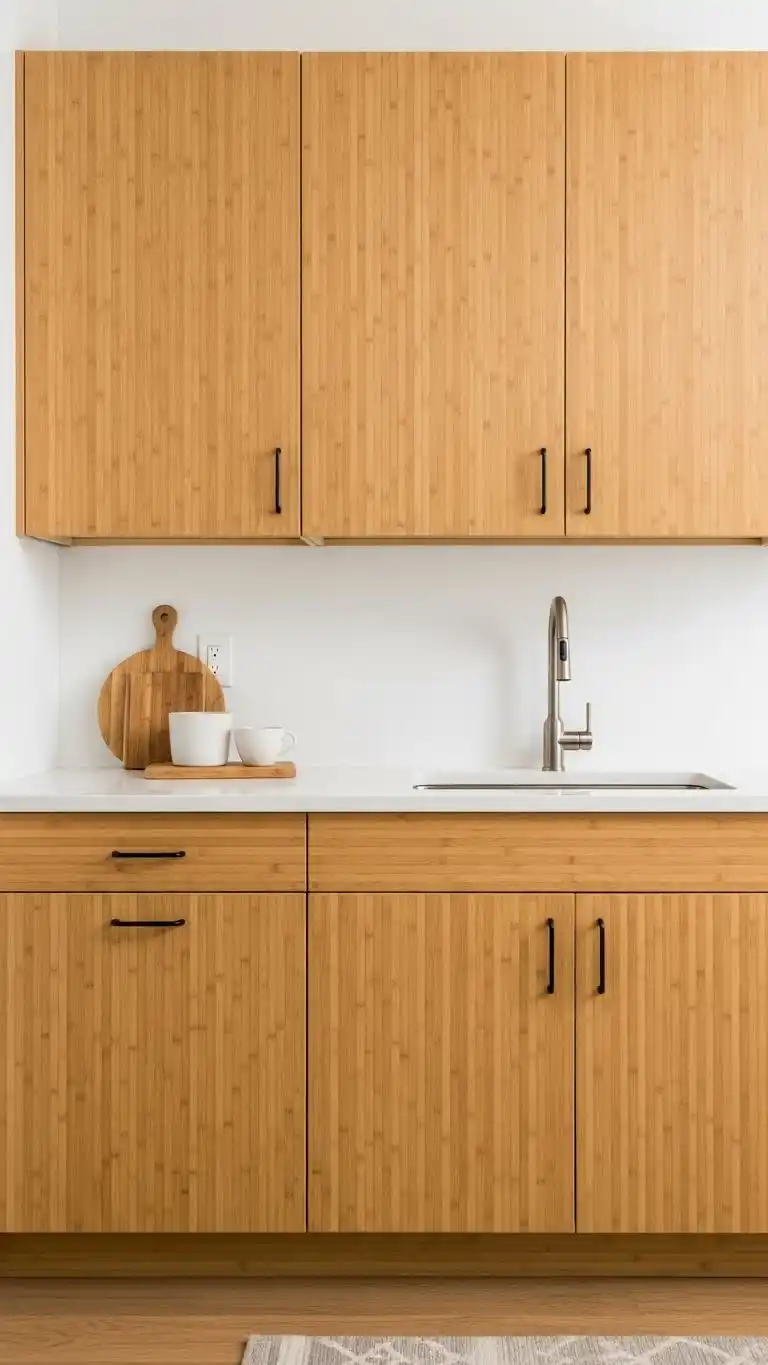
Bamboo cabinets are an excellent sustainable choice because bamboo grows rapidly and regenerates without the need for replanting or heavy pesticides.
This renewable resource provides strength and durability comparable to traditional hardwood, making it ideal for kitchen cabinetry.
Bamboo’s natural light tones add a warm, modern feel to kitchens and complement both minimalist and contemporary design styles.
Using bamboo cabinets reduces reliance on slow-growing hardwoods, ensuring that forests are preserved while homeowners enjoy high-quality cabinetry.
Bamboo can be finished with eco-friendly stains or low-VOC paints, maintaining both sustainability and aesthetic appeal in your kitchen.
Beyond sustainability, bamboo cabinets resist warping and moisture, which makes them particularly suitable for humid kitchen environments.
By choosing bamboo, homeowners achieve a combination of modern design, practical functionality, and environmental responsibility in their kitchen renovations.
3. FSC-Certified Hardwood Cabinets for Classic Elegance
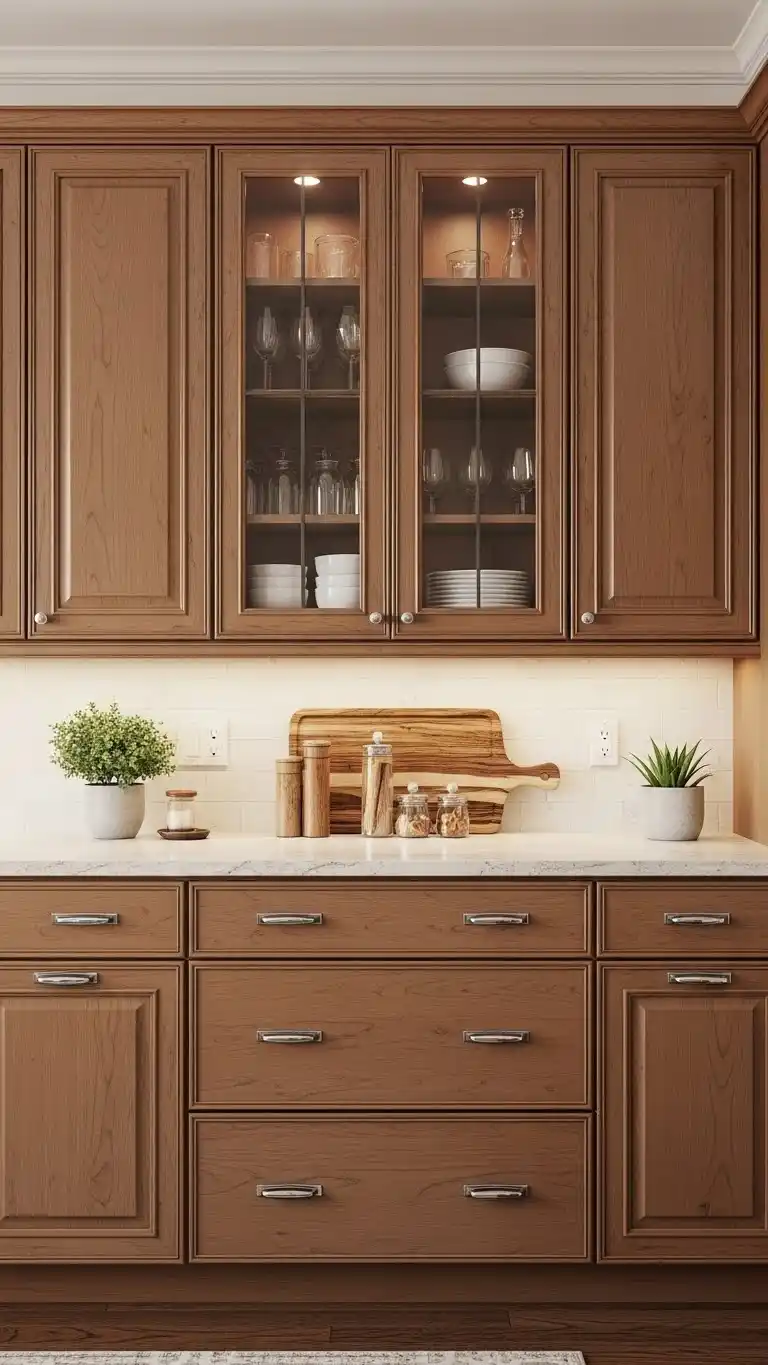
FSC-certified hardwood cabinets offer timeless elegance while ensuring that the wood comes from responsibly managed forests that promote sustainability.
Popular hardwood options include oak, maple, and cherry, each providing durability, rich color, and a classic appeal for modern and traditional kitchens alike.
FSC certification guarantees that every cabinet meets strict environmental standards, reducing deforestation and supporting forest conservation globally.
These cabinets combine aesthetic charm with longevity, creating a long-term investment for homeowners who value style and environmental responsibility.
Pairing hardwood cabinets with natural stone countertops or soft lighting enhances their warmth and sophistication while keeping the kitchen eco-friendly.
By selecting FSC-certified hardwood, homeowners enjoy beautiful, durable cabinetry that supports ethical sourcing and protects natural resources for future generations.
4. Low-VOC Finished Cabinets for Healthier Spaces
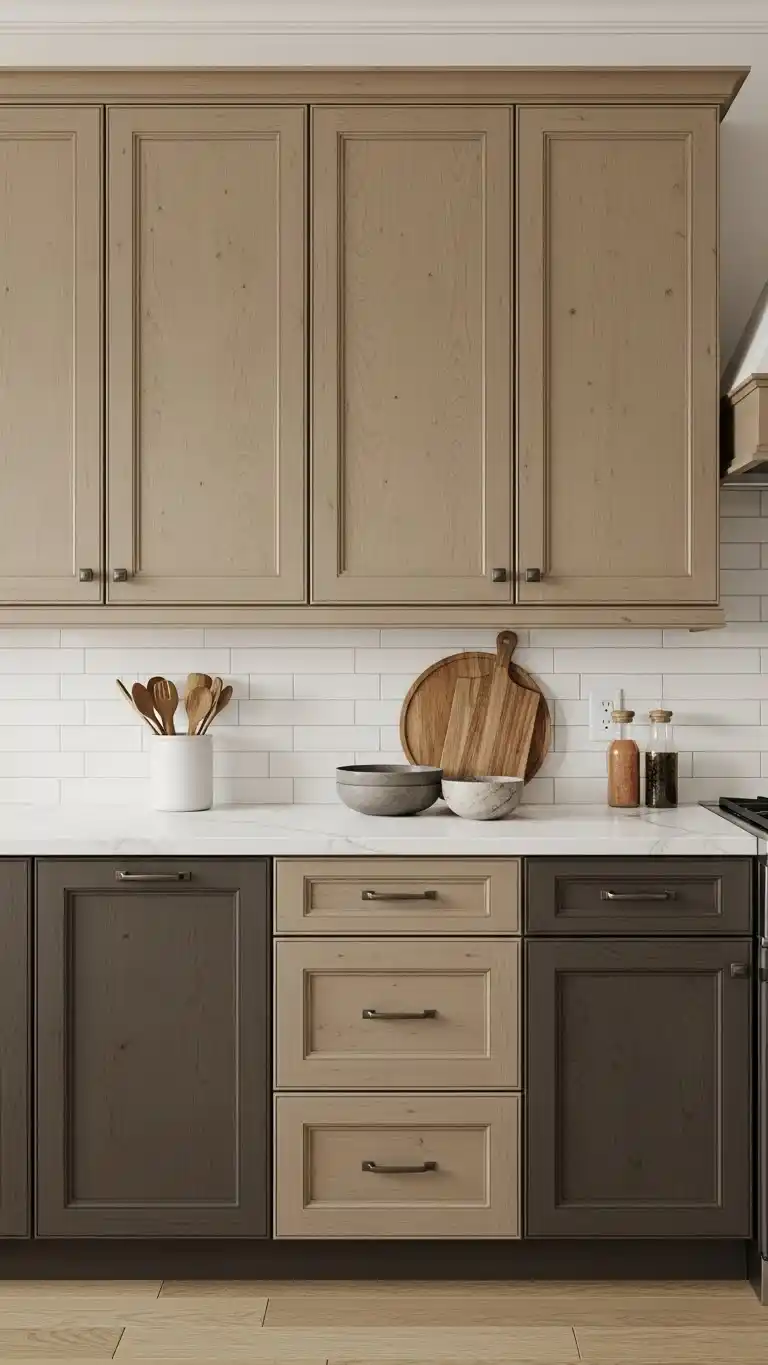
Low-VOC finished cabinets maintain excellent durability while reducing harmful chemicals in indoor air, creating a healthier environment for families.
Volatile organic compounds in traditional finishes can affect air quality, whereas low-VOC alternatives protect both homeowners and the environment.
These cabinets combine sustainability with aesthetic appeal, allowing for various finishes without compromising air safety or eco-conscious design goals.
Choosing low-VOC finishes ensures long-lasting cabinetry that requires minimal maintenance, supporting both environmental responsibility and convenience in the kitchen.
Pairing low-VOC cabinets with natural wood grains or stone elements enhances the organic feel of your kitchen while promoting sustainability.
Overall, low-VOC finished cabinets are a practical, health-conscious choice that aligns with the growing trend of eco-friendly home design.
5. Modular Sustainable Cabinets for Flexible Design
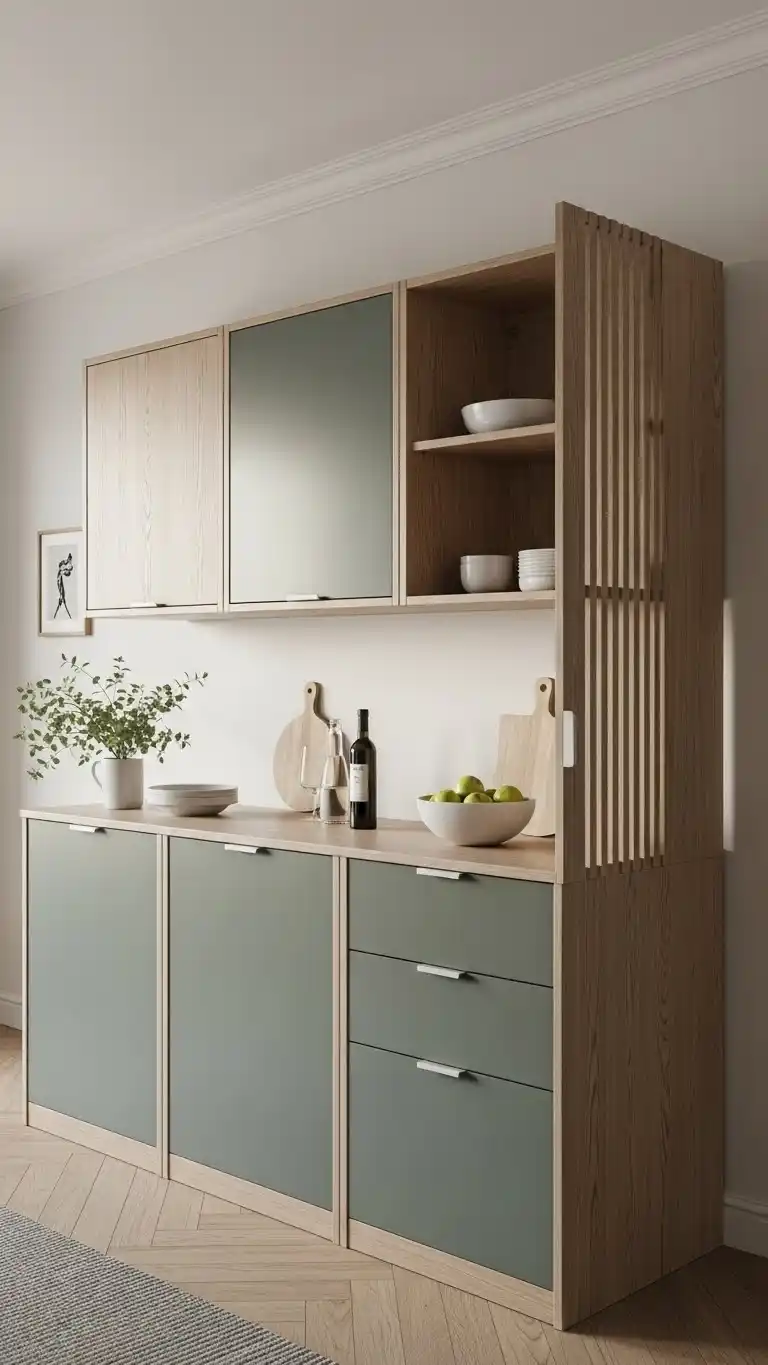
Modular sustainable cabinets provide flexibility for homeowners, allowing easy upgrades, additions, or rearrangements without replacing entire kitchen systems.
These cabinets reduce waste by enabling partial updates instead of full renovations, making them an environmentally responsible choice for long-term kitchen planning.
Modular designs also allow for customization, helping kitchens of various sizes maximize storage efficiency while maintaining a sustainable approach.
Eco-friendly modular cabinets are often made from reclaimed wood, bamboo, or FSC-certified materials, ensuring both style and environmental responsibility.
Integrating modular cabinets with modern appliances and smart storage solutions creates a functional, visually appealing kitchen while minimizing resource consumption.
Homeowners can enjoy sustainable design, flexibility, and durability by choosing modular cabinets that adapt to changing needs over time.
6. Vintage or Repurposed Cabinets for Unique Designs
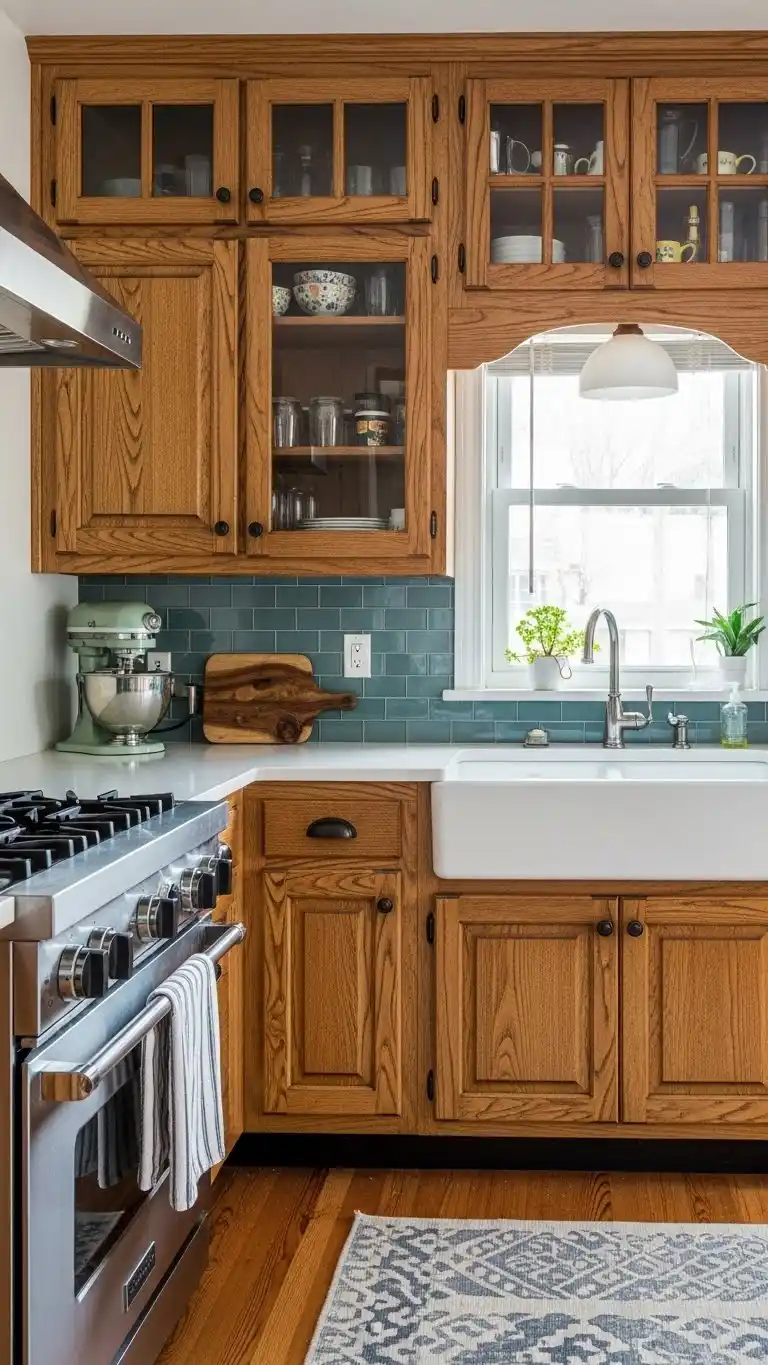
Vintage or repurposed cabinets transform kitchens by adding distinctive character, history, and charm while supporting sustainability.
Using repurposed cabinets reduces demand for new materials, preventing deforestation and minimizing overall environmental impact.
These cabinets often feature intricate details or unique textures that create visual interest and a one-of-a-kind kitchen atmosphere.
Combining vintage cabinets with modern appliances, eco-friendly finishes, and natural lighting produces a balanced design with both style and sustainability.
Repurposed cabinetry also provides affordability while maintaining high quality, allowing homeowners to make environmentally conscious choices without compromising design.
Overall, these cabinets celebrate creativity, history, and sustainability, appealing to homeowners who value individuality and eco-friendly living.
7. Solid Wood Cabinets with Eco-Friendly Adhesives
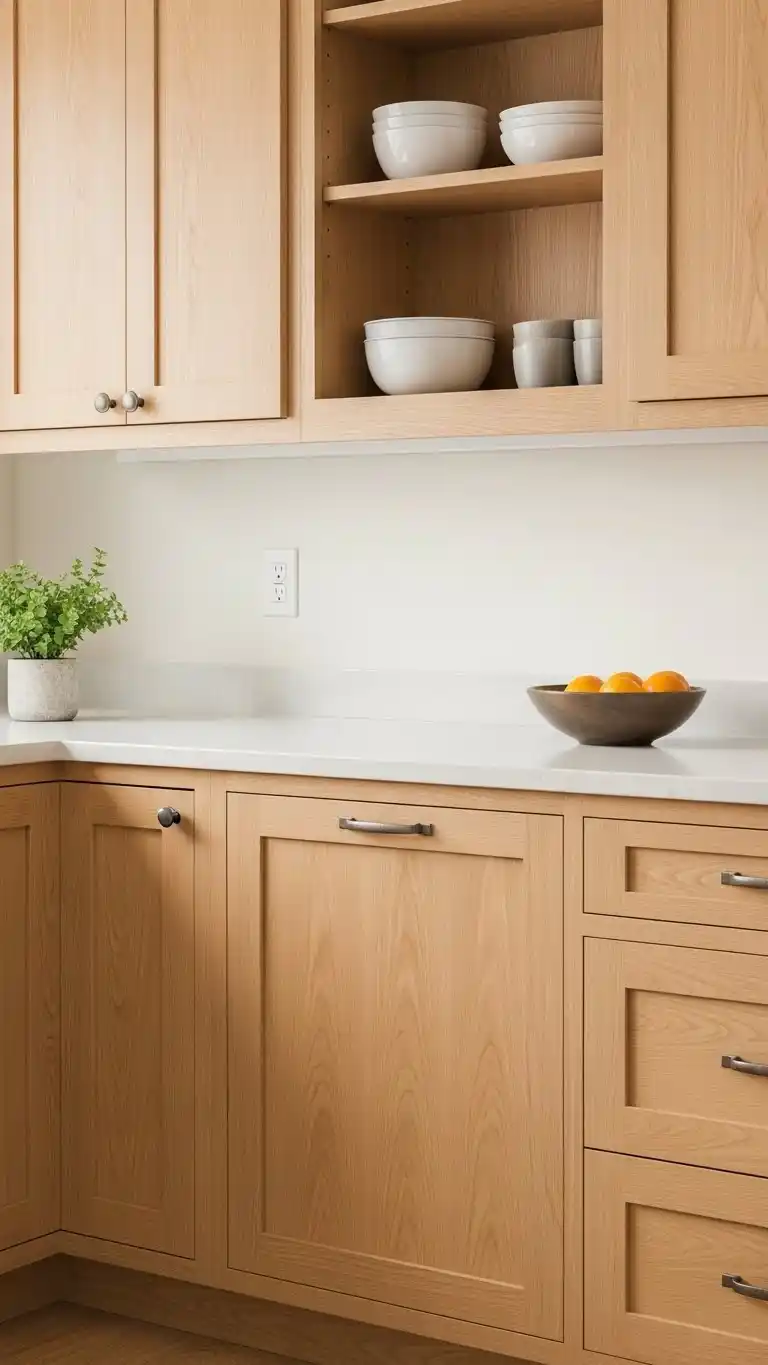
Solid wood cabinets are durable and reliable, and when paired with eco-friendly adhesives, they remain safe for both people and the environment.
Traditional glues and adhesives often contain harmful chemicals, while environmentally responsible alternatives prevent air contamination and maintain indoor air quality.
Eco-friendly adhesives do not compromise the structural integrity of cabinets, ensuring that solid wood pieces maintain long-term durability and style.
These cabinets pair well with natural finishes, soft lighting, and sustainable countertops to create a cohesive, eco-conscious kitchen design.
Homeowners benefit from both strength and sustainability when selecting solid wood cabinets with environmentally safe adhesives.
Choosing this option reflects a careful balance between functional performance, aesthetic appeal, and commitment to responsible material use.
8. Painted Sustainable Cabinets for Colorful Eco-Kitchens
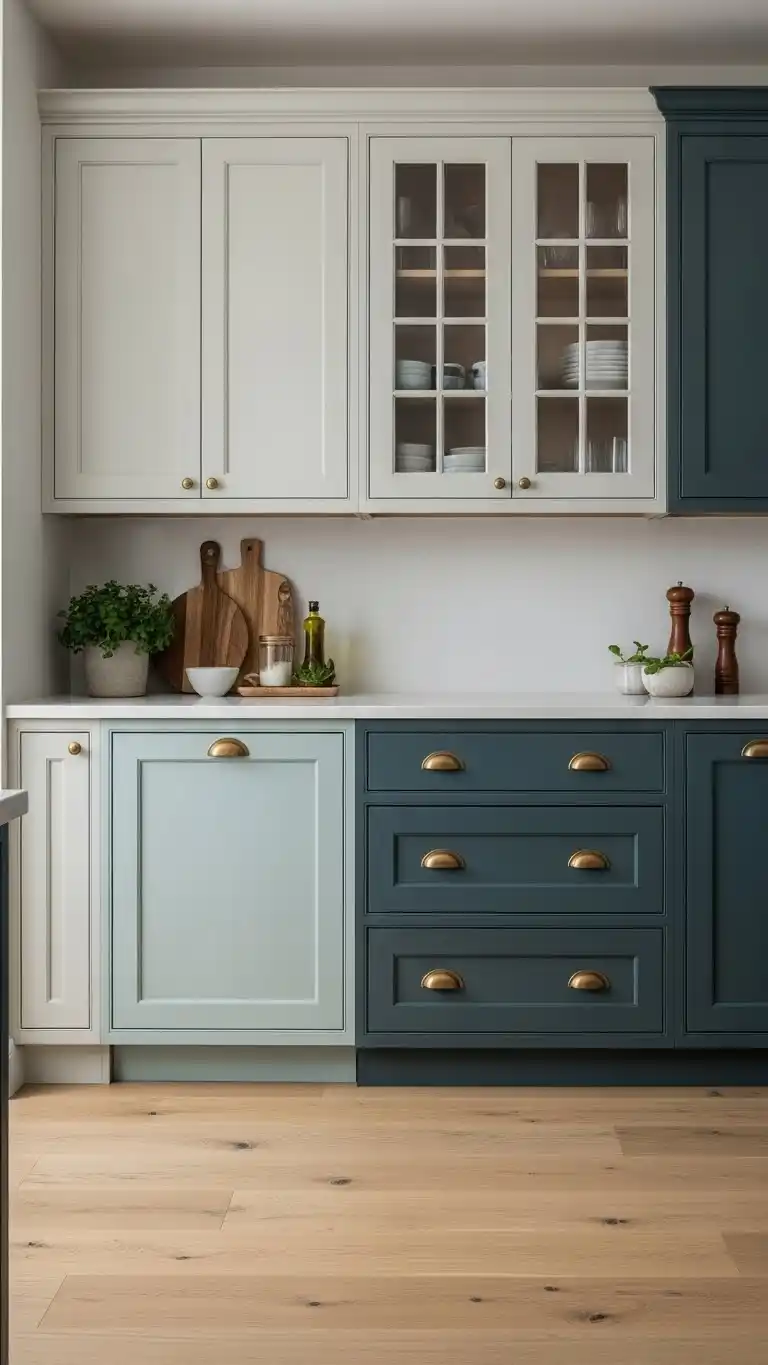
Painted sustainable cabinets allow homeowners to introduce bold or subtle colors while maintaining environmentally responsible design practices.
Using low-VOC paints or eco-friendly stains ensures that cabinets remain safe for indoor air quality and overall family health.
These cabinets offer a versatile design approach, enabling coordination with countertops, flooring, and kitchen walls for personalized aesthetics.
Sustainable painted cabinets can complement both traditional and modern kitchens, providing a stylish look without sacrificing environmental responsibility.
Homeowners can choose soft pastels, bold tones, or neutral shades to match their kitchen’s personality while staying eco-conscious.
Combining painted cabinets with natural wood textures or recycled materials enhances visual interest and supports a sustainable kitchen environment.
9. Plywood Cabinets with Sustainable Layers
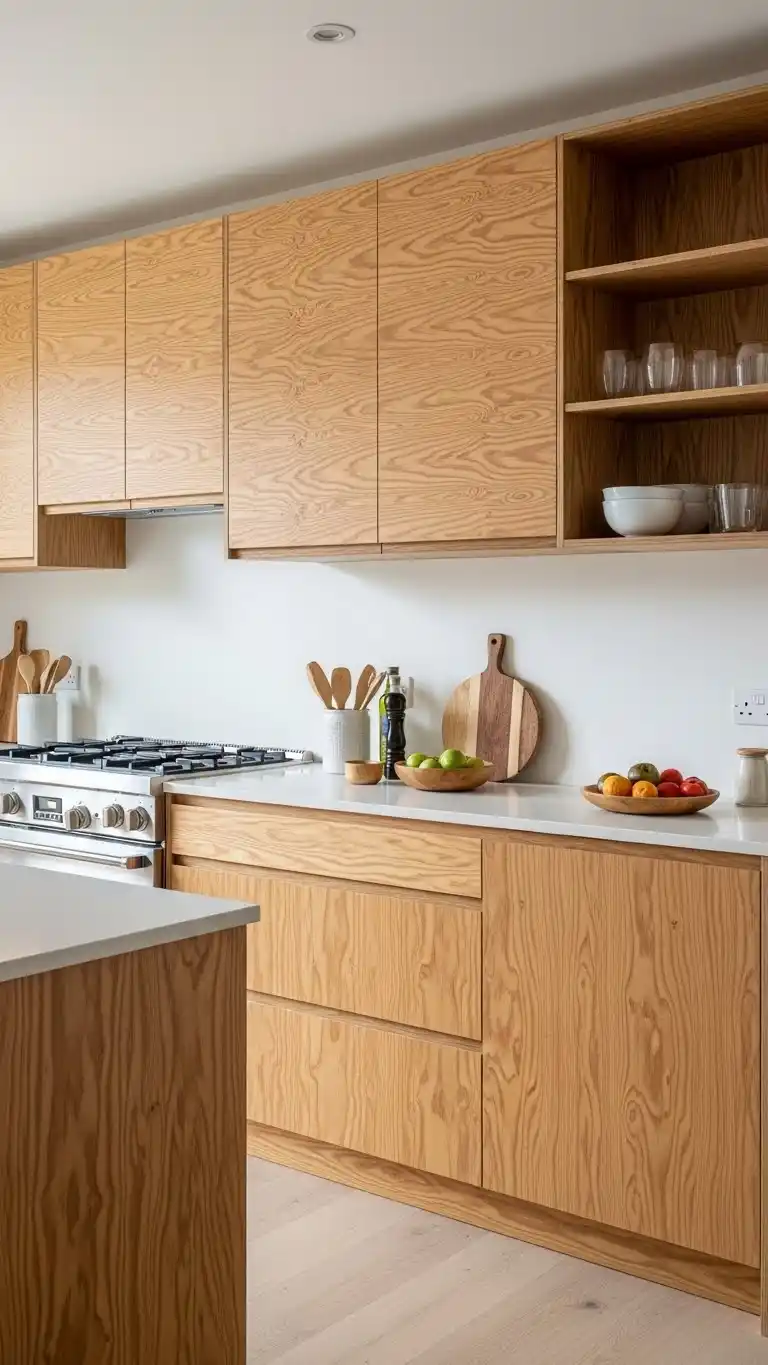
Sustainable plywood cabinets provide strength while using fewer solid wood resources, making them a practical choice for environmentally conscious kitchens.
These cabinets often incorporate recycled veneers or layers, reducing waste while maintaining durability and aesthetic appeal.
Plywood cabinets can serve multiple purposes, including kitchen islands, overhead storage, and pantry solutions, supporting functional, eco-friendly design.
Finishes can include low-VOC stains, natural oils, or water-based paints to preserve sustainability while highlighting wood textures.
Plywood cabinets offer a balance between affordability, durability, and environmental responsibility, allowing homeowners to invest in quality without high costs.
Using plywood in kitchen cabinetry demonstrates thoughtful resource management and contributes to a greener, more sustainable home environment.
10. Minimalist Sustainable Cabinets for Small Kitchens
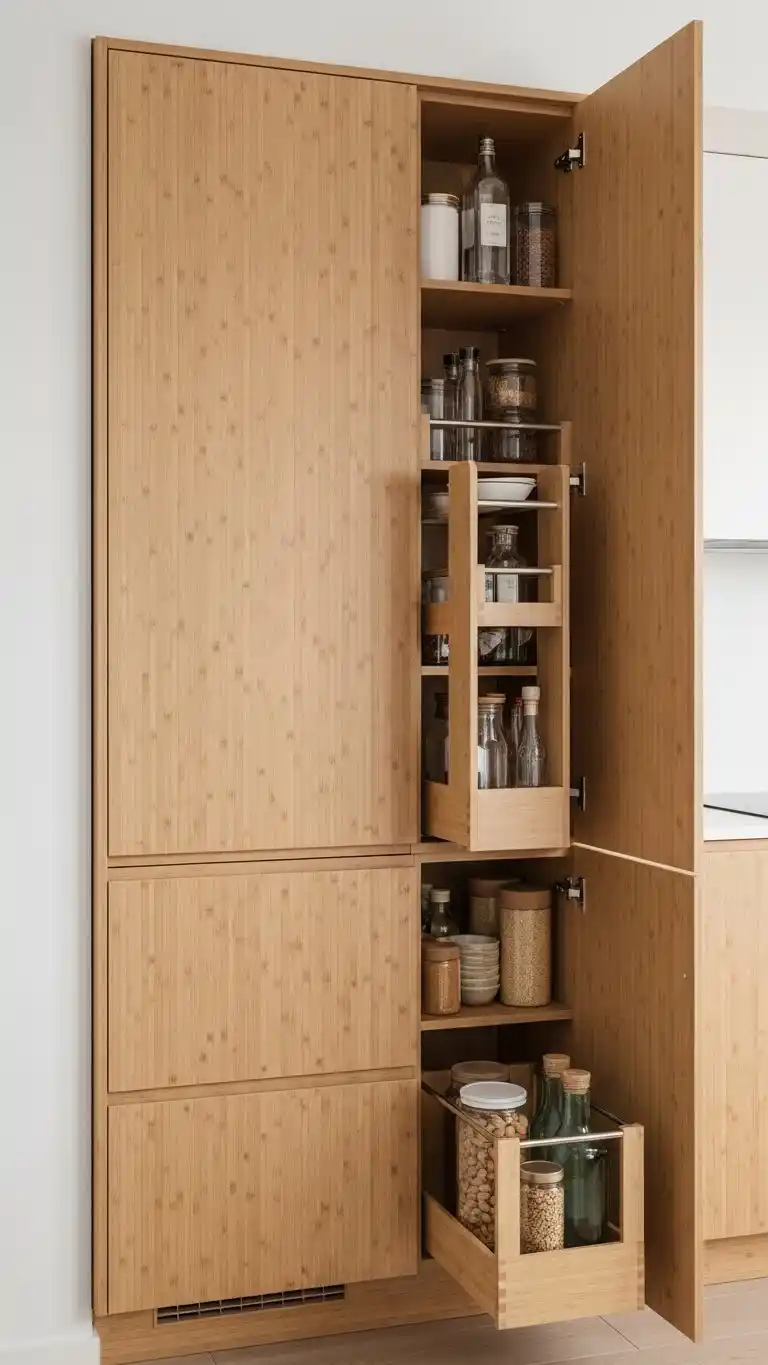
Minimalist sustainable cabinets are ideal for small kitchens, offering maximum storage without overwhelming limited spaces or compromising eco-conscious design.
Light wood finishes, integrated handles, and compact modular designs enhance visual openness while reducing material consumption.
These cabinets often utilize reclaimed wood or bamboo, combining functionality with environmentally responsible choices that protect natural resources.
Smart storage solutions, such as pull-out drawers or vertical shelving, optimize space while minimizing clutter and maintaining sustainable principles.
Minimalist sustainable cabinets promote clean, modern aesthetics while supporting long-term environmental goals through efficient material usage.
Homeowners benefit from a functional, visually appealing kitchen that aligns with sustainability and contemporary design trends.
11. Open Shelving with Sustainable Wood Cabinets
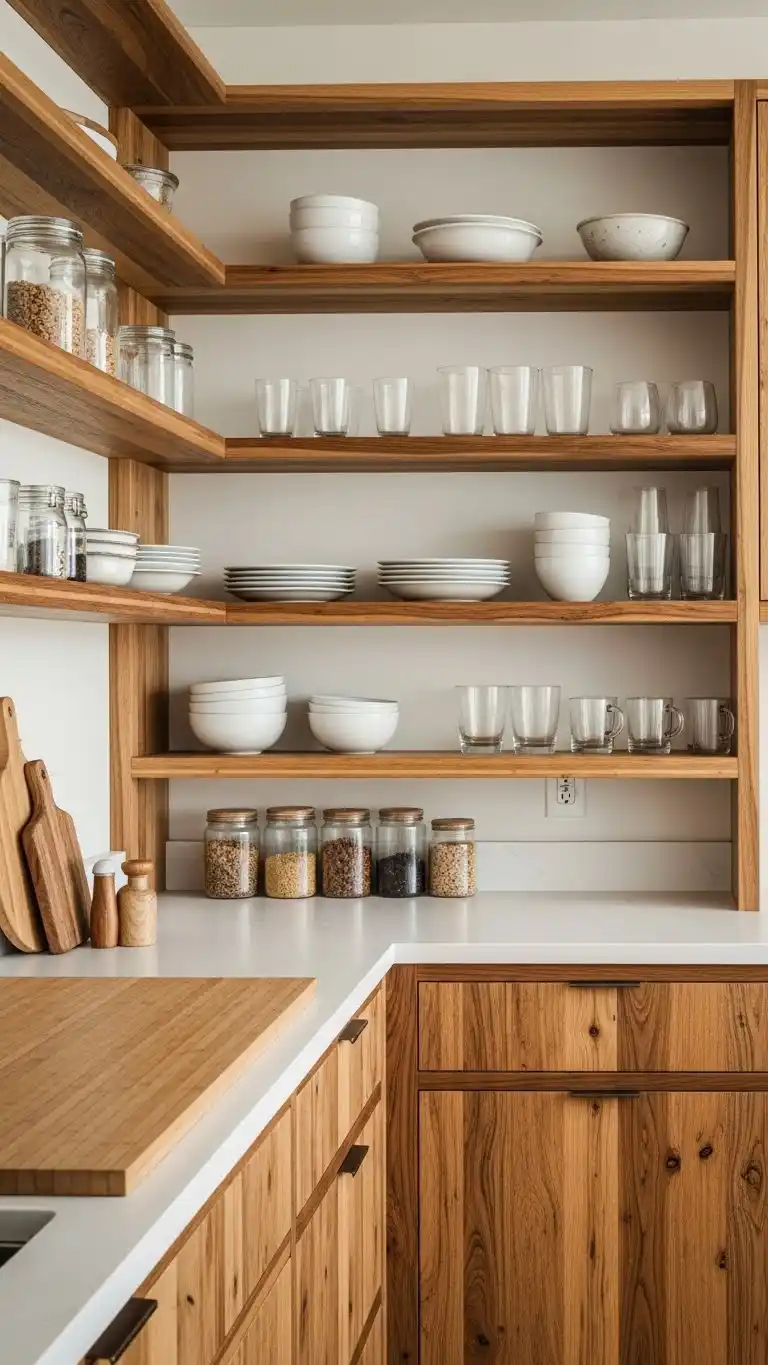
Open shelving cabinets made from sustainable wood combine functionality with eco-conscious design, offering easy access and stylish storage for kitchens of any size.
Using reclaimed or FSC-certified wood ensures that these cabinets support environmental responsibility while maintaining durability and visual appeal.
Open shelving encourages organization and reduces clutter, allowing homeowners to display eco-friendly dishware, glassware, or decorative items.
These cabinets work well with natural finishes, bamboo surfaces, or low-VOC paints to maintain a cohesive, sustainable kitchen aesthetic.
Because open shelves reduce the need for extra cabinetry materials, they also contribute to minimizing resource consumption in kitchen design.
Homeowners can achieve both practicality and environmentally responsible design by integrating open shelving with other sustainable wood kitchen cabinets.
12. Two-Tone Sustainable Wood Cabinets
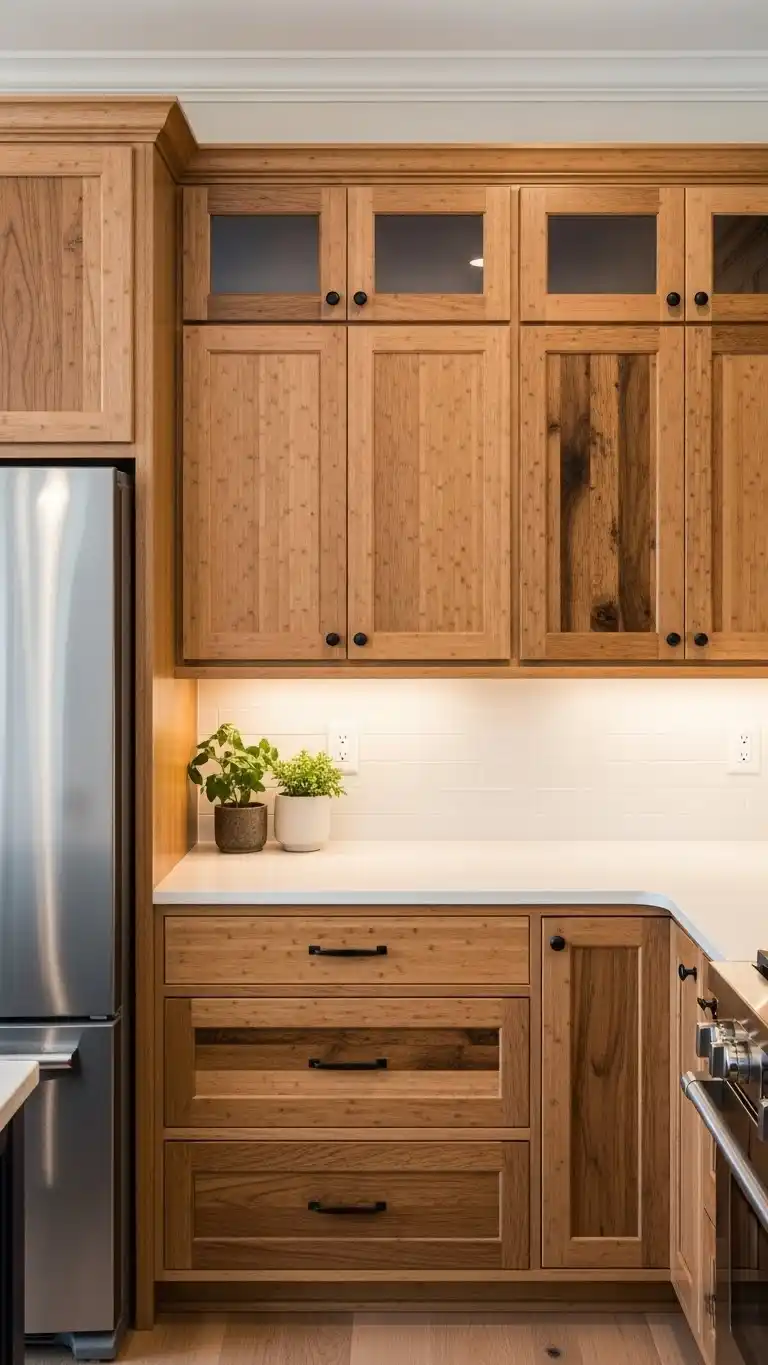
Two-tone cabinets use contrasting wood finishes to create visual interest while maintaining a sustainable approach through eco-friendly materials.
Combining bamboo or reclaimed wood with FSC-certified hardwood highlights craftsmanship and promotes environmentally responsible sourcing.
This design allows homeowners to balance modern aesthetics with warm, natural tones that enhance the kitchen’s overall ambiance.
Low-VOC stains or natural oils can finish two-tone cabinets, preserving sustainability while highlighting unique grain patterns.
Two-tone sustainable wood cabinets pair beautifully with neutral countertops, stainless steel appliances, or soft lighting for a harmonious kitchen space.
By choosing contrasting sustainable materials, homeowners can showcase creativity, durability, and eco-conscious design in their kitchens.
13. Eco-Friendly Kitchen Islands
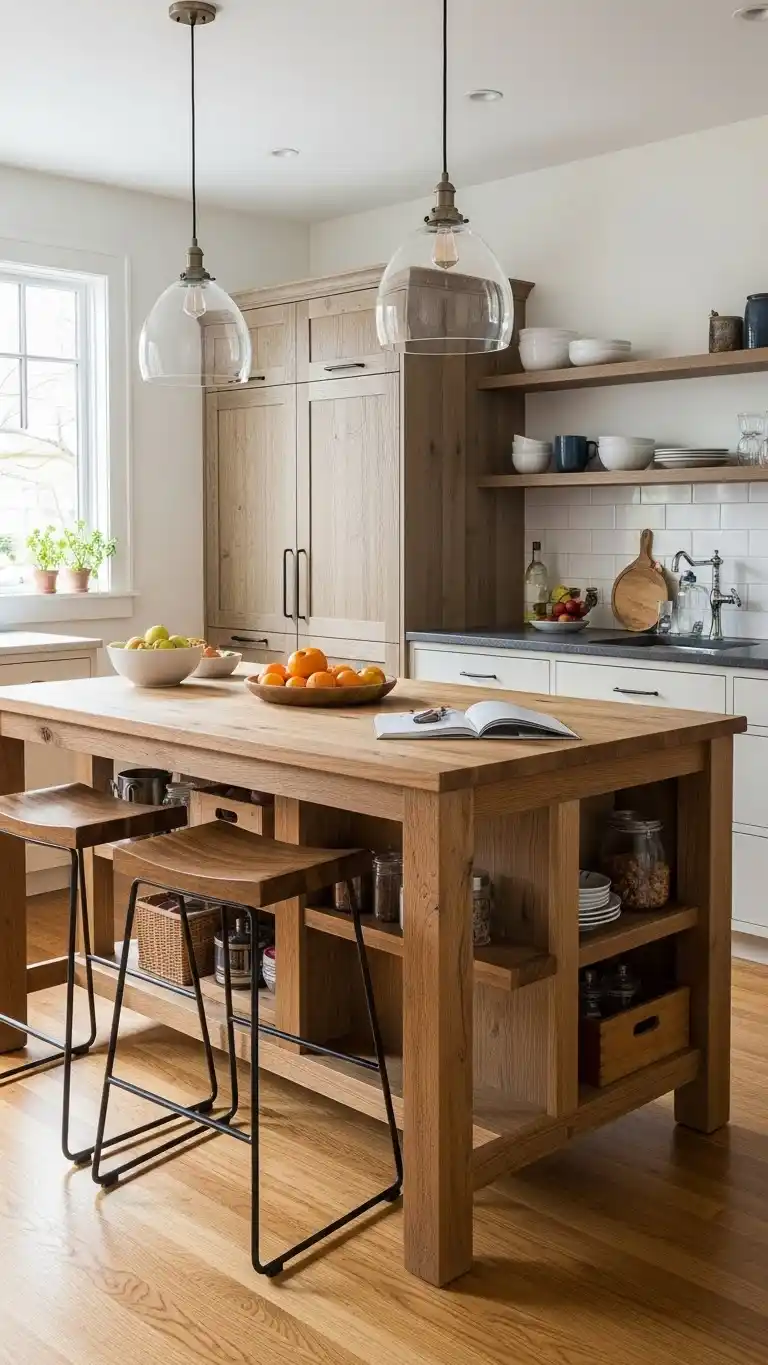
Sustainable kitchen islands made from reclaimed or certified wood provide central functionality while supporting long-term environmental responsibility.
These islands can include storage, seating, and workspaces, reducing the need for additional cabinetry and minimizing material use.
Eco-friendly finishes and low-VOC coatings ensure that the kitchen remains safe for indoor air quality while maintaining visual appeal.
Sustainable islands can be paired with modular cabinets or open shelving to maximize efficiency and style in both large and small kitchens.
Homeowners benefit from practical work surfaces and storage solutions while contributing to environmentally responsible kitchen design.
Investing in eco-conscious kitchen islands combines functionality, durability, and sustainability for a long-lasting, stylish centerpiece.
14. Hidden Storage Cabinets for Clutter-Free Design
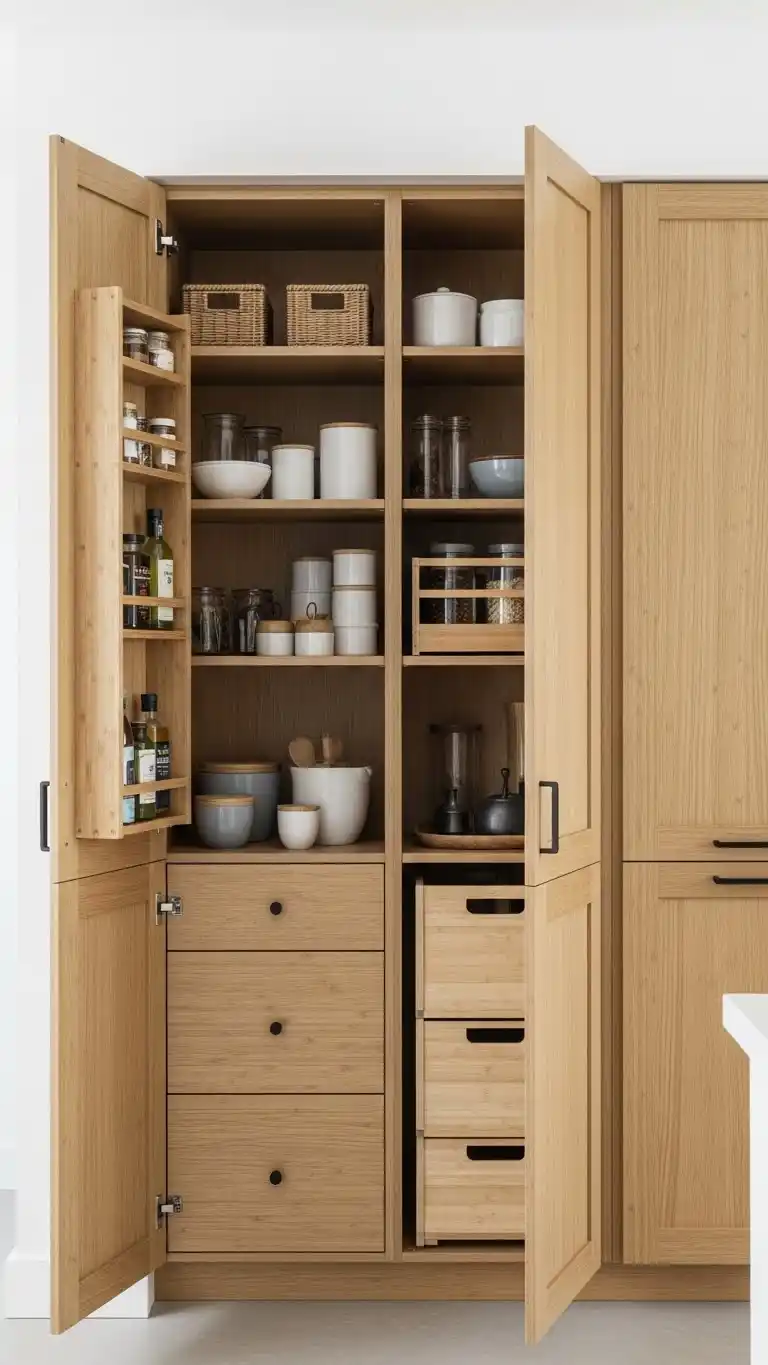
Hidden storage cabinets maintain clean, minimalist kitchens while promoting sustainability through efficient material usage and eco-friendly design practices.
These cabinets often incorporate modular or compact solutions that reduce the need for extra materials while providing ample storage space.
Using FSC-certified wood, bamboo, or reclaimed wood ensures the cabinets remain durable and environmentally responsible.
Soft-close hinges and eco-friendly hardware complement hidden storage designs, increasing functionality while preserving sustainability.
Hidden storage allows homeowners to maximize space without overcrowding kitchens, contributing to practical, visually appealing layouts.
By integrating sustainable hidden cabinets, kitchens become both organized and environmentally conscious, supporting long-term usability and style.
15. Sliding Door Sustainable Cabinets
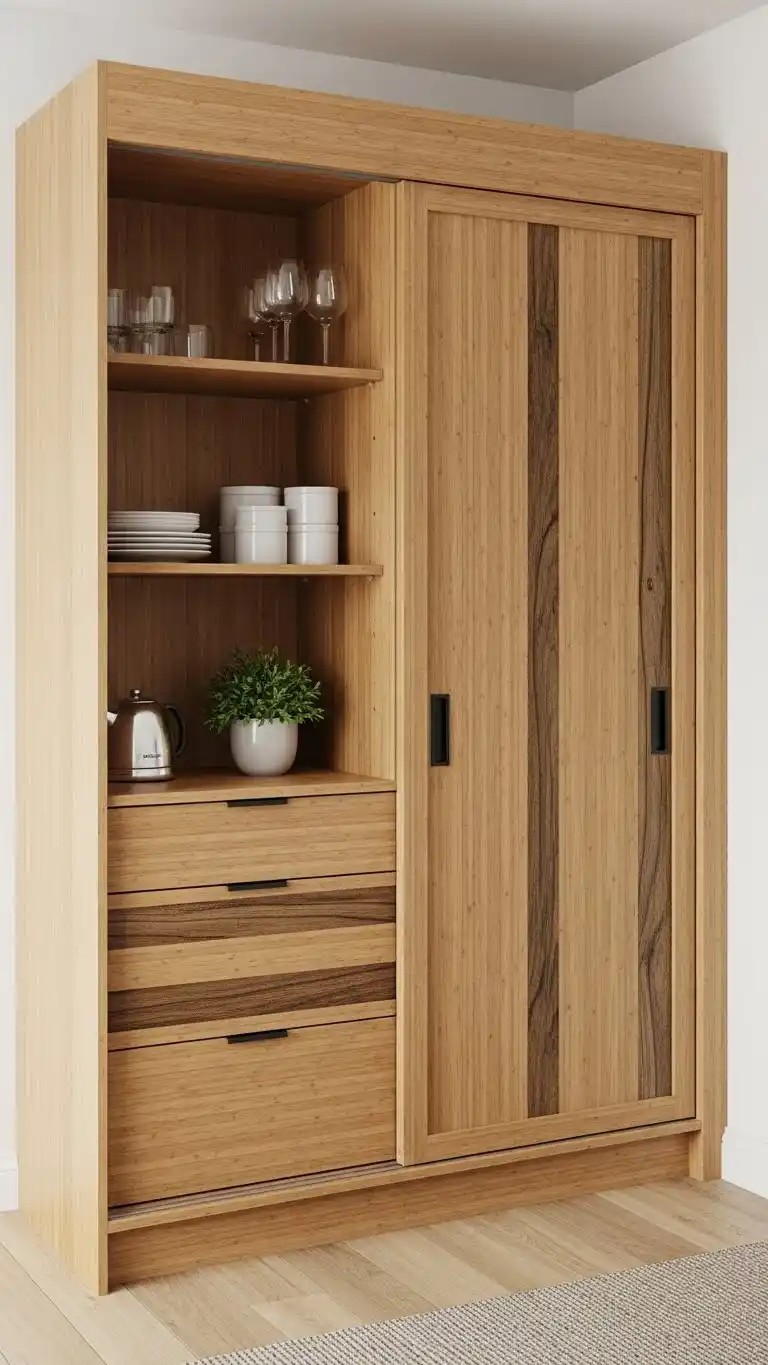
Sliding door cabinets save space and reduce material usage, making them an eco-conscious addition to modern kitchens.
Using reclaimed wood or bamboo for sliding doors ensures both durability and environmental responsibility in design.
These cabinets are ideal for small kitchens or tight spaces, maximizing functionality without sacrificing style or storage capacity.
Low-VOC finishes, or natural oils, enhance the beauty of sliding doors while maintaining eco-friendly principles.
Sliding door sustainable cabinets pair well with minimalist, modular, or two-tone designs, creating versatile kitchen solutions that meet both aesthetic and practical needs.
Homeowners can achieve a modern, clutter-free kitchen while supporting environmentally responsible material choices.
16. Corner Cabinets Made from Sustainable Wood
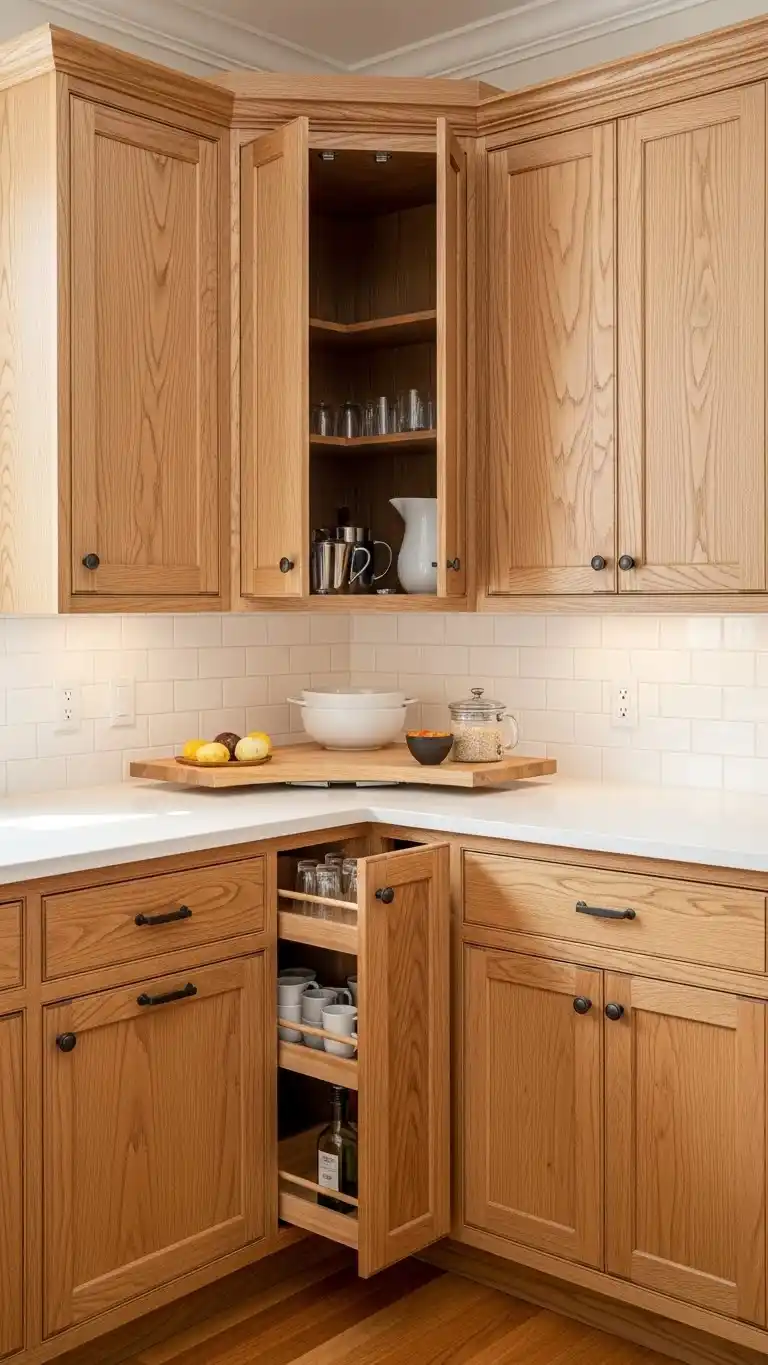
Corner cabinets maximize unused kitchen space while supporting sustainability through eco-friendly wood choices and durable construction.
FSC-certified wood or reclaimed timber ensures environmental responsibility while maintaining long-lasting strength and functionality.
These cabinets often incorporate lazy Susans, pull-out drawers, or custom shelving to optimize storage and accessibility.
Low-VOC finishes protect indoor air quality and enhance the natural beauty of sustainable wood grain.
Corner cabinets blend seamlessly with other sustainable cabinetry, contributing to a cohesive, functional, and environmentally conscious kitchen design.
Homeowners benefit from thoughtful storage solutions that reduce waste, improve organization, and showcase responsible material use.
17. Glass-Front Sustainable Cabinets
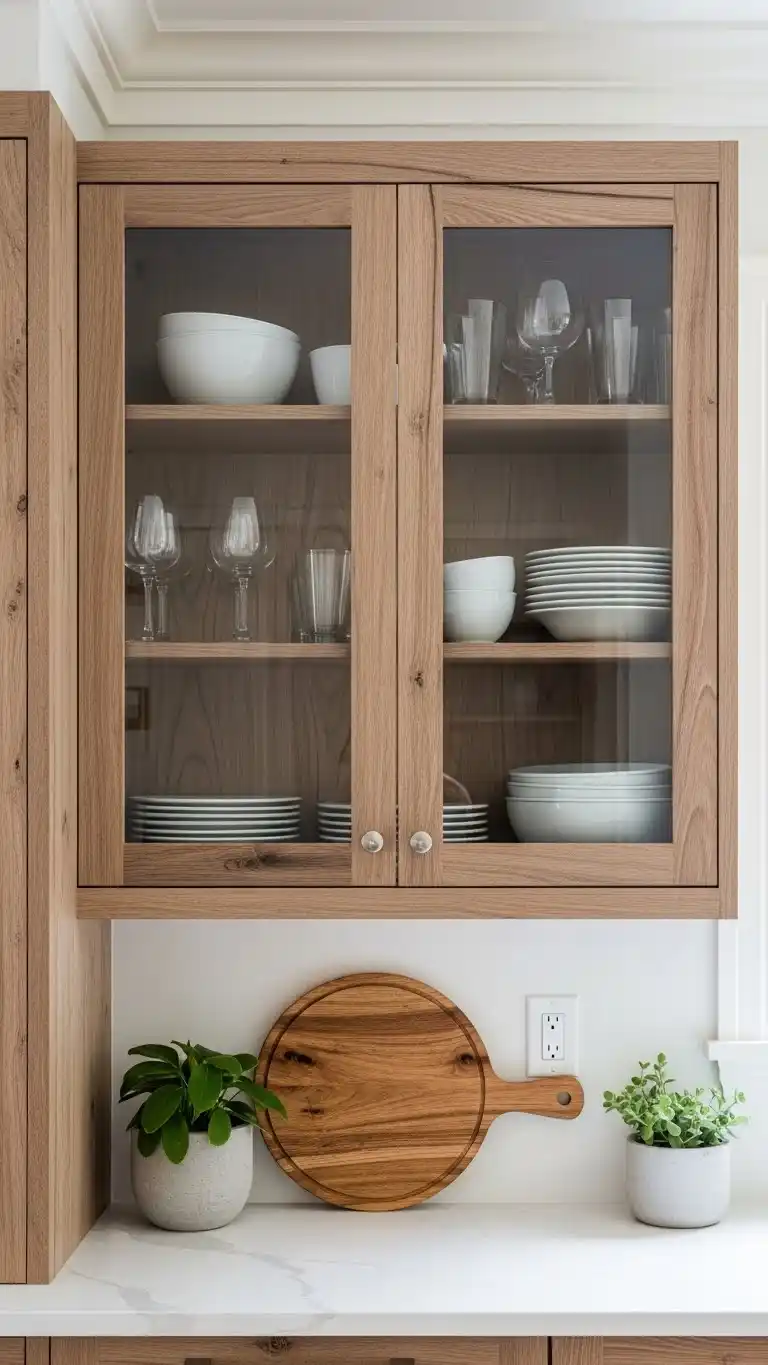
Glass-front cabinets made from eco-friendly wood combine functionality with style, allowing homeowners to display dishware while maintaining a sustainable kitchen design.
Using FSC-certified or reclaimed wood frames ensures durability and environmental responsibility while supporting responsible forestry practices.
These cabinets work well with low-VOC paints or natural finishes, enhancing visibility and kitchen aesthetics without harming indoor air quality.
Glass-front sustainable cabinets complement modern, traditional, or rustic kitchens, providing versatility in design while showcasing eco-conscious choices.
Homeowners gain both visual interest and sustainable functionality, combining storage efficiency with a stylish display option.
These cabinets encourage thoughtful design decisions that prioritize environmental responsibility alongside long-term durability and kitchen organization.
18. Sustainable Cabinets with Built-In Recycling Stations
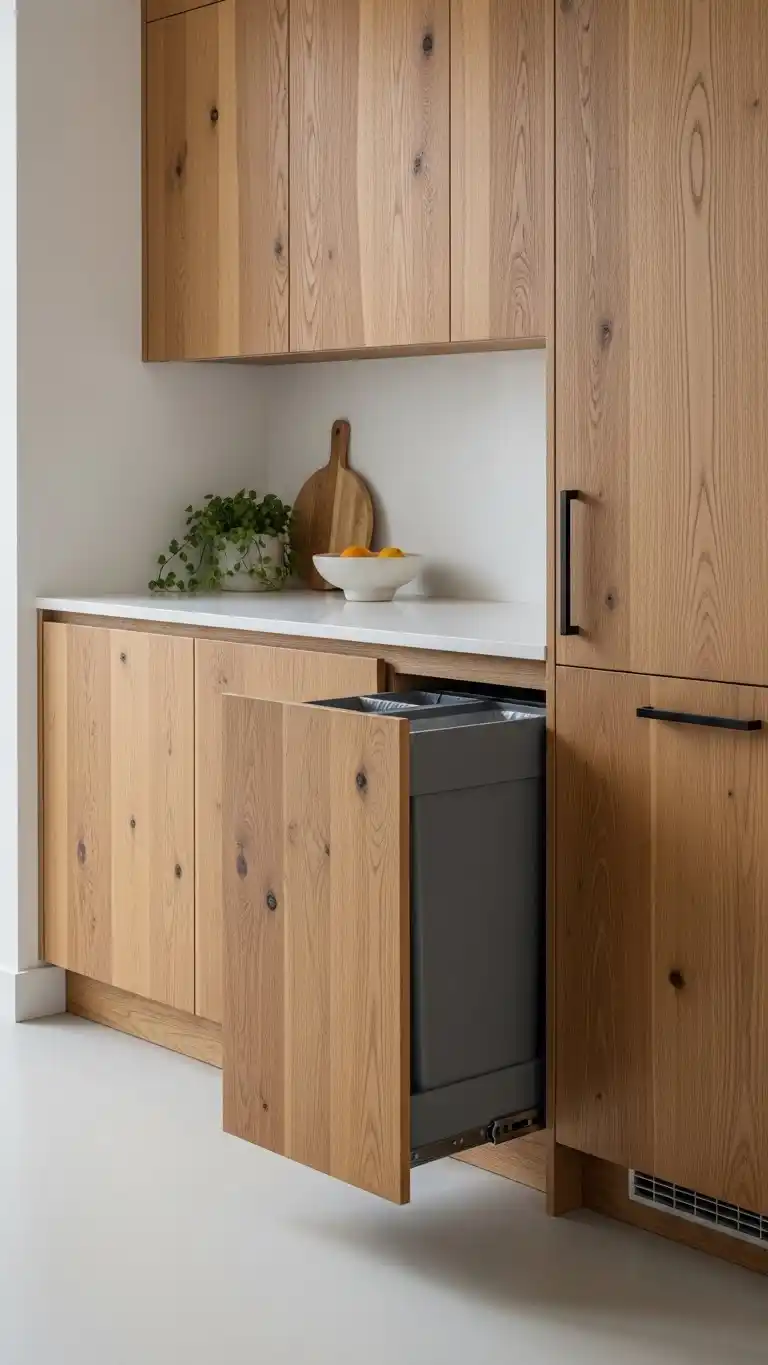
Incorporating built-in recycling stations into sustainable wood cabinets promotes eco-friendly living while maximizing kitchen functionality.
These cabinets can separate waste streams, making it easier to practice sustainable habits without additional space or clutter.
Using reclaimed wood or FSC-certified materials ensures that the cabinets themselves contribute to environmental responsibility.
Eco-friendly finishes maintain indoor air quality while preserving natural wood aesthetics and durability.
Built-in recycling stations blend seamlessly with modular, minimalist, or two-tone designs, creating a cohesive kitchen layout.
Homeowners benefit from practical, sustainable cabinetry that supports responsible waste management and reinforces eco-conscious values.
19. Under-Cabinet Lighting with Sustainable Cabinets
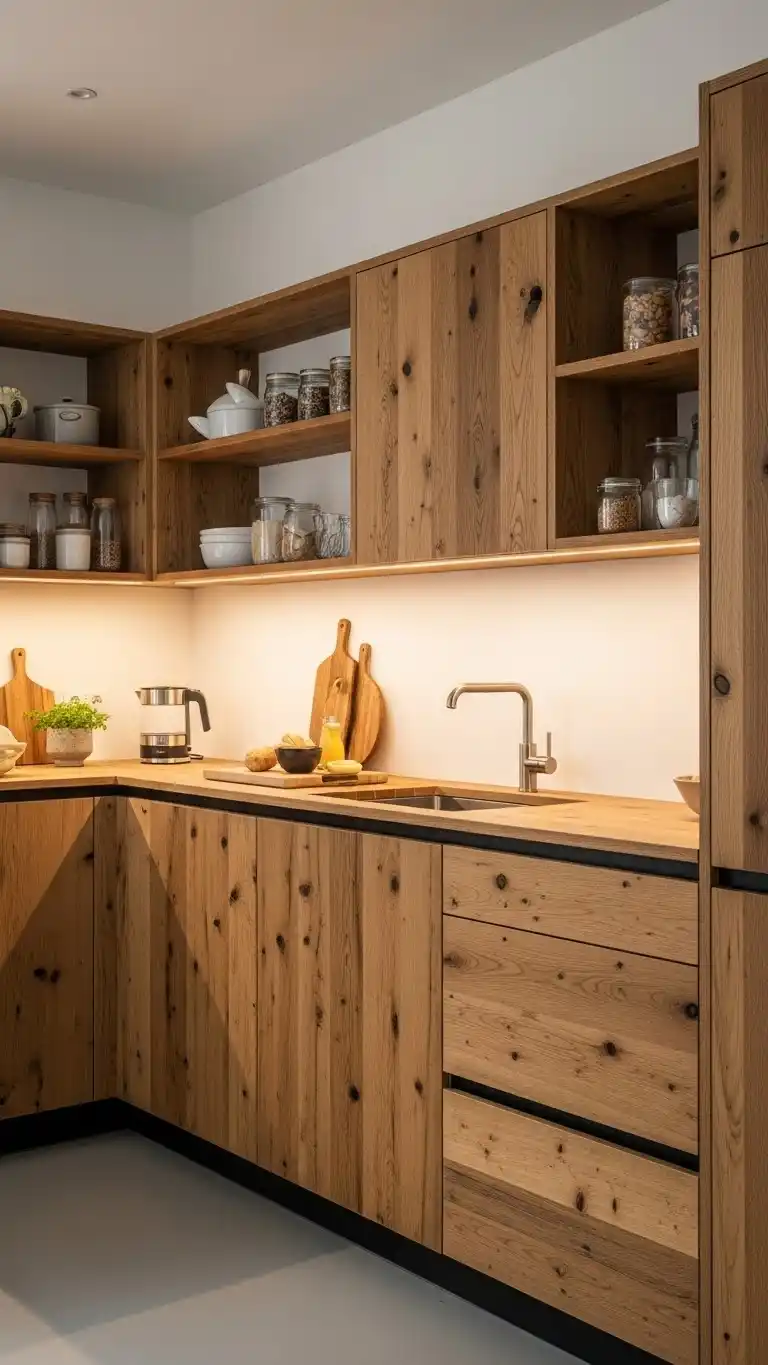
Integrating under-cabinet lighting into sustainable wood cabinets improves functionality while highlighting the kitchen’s eco-conscious design.
LED lights are energy-efficient, long-lasting, and reduce electricity consumption compared to traditional bulbs, complementing environmentally responsible cabinetry.
These lighting options illuminate workspaces, creating safer and more practical cooking and prep areas for daily use.
Using FSC-certified or reclaimed wood for the cabinets ensures the lighting installation aligns with sustainability principles and overall kitchen aesthetics.
Homeowners can combine under-cabinet lighting with modular, minimalist, or open shelving designs to maximize both function and visual appeal.
Eco-conscious lighting enhances the kitchen experience while supporting sustainability and showcasing thoughtful, responsible design choices.
20. Sustainable Cabinets with Soft-Close Mechanisms
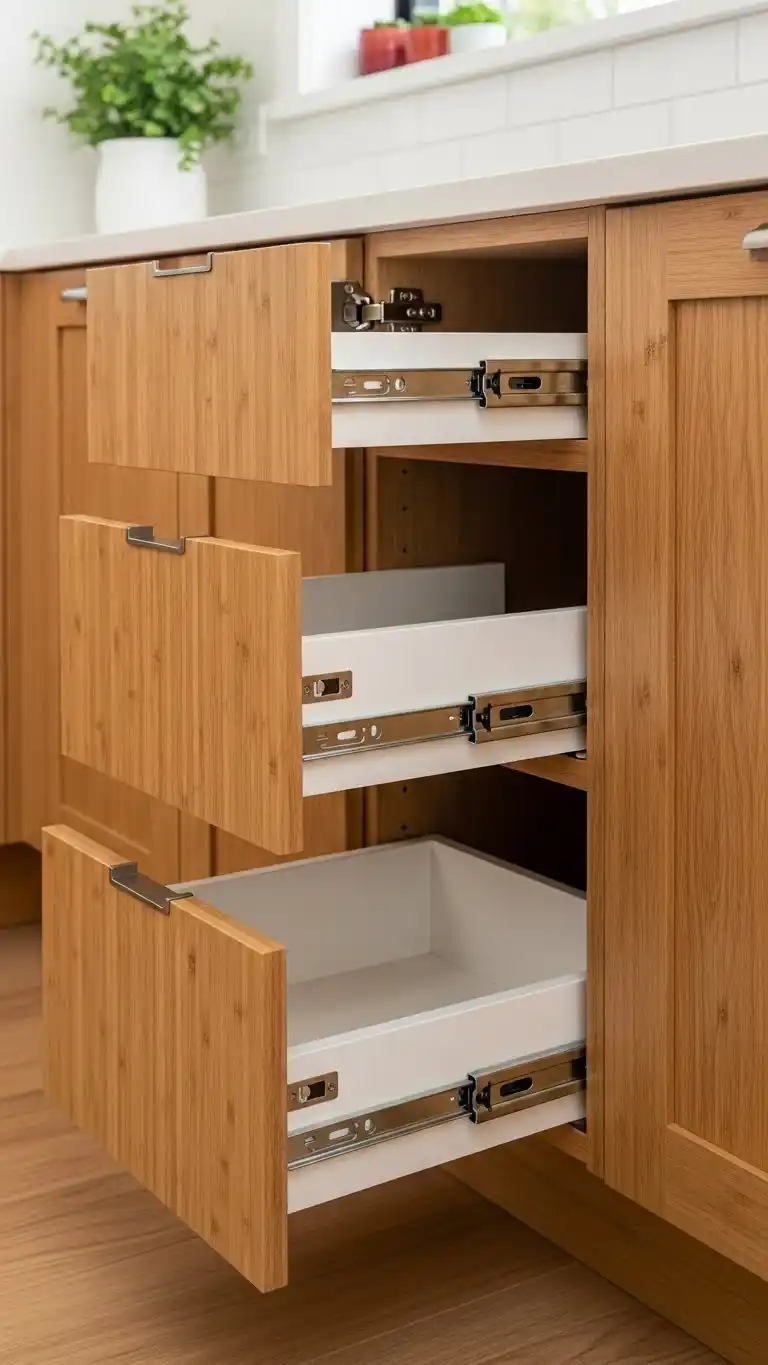
Soft-close hinges and drawer slides improve kitchen ergonomics while extending the life of sustainable wood cabinets.
These mechanisms prevent unnecessary wear and tear, ensuring durability and minimizing waste over time, making them eco-friendly by design.
Soft-close systems work well with various sustainable materials, including bamboo, FSC-certified wood, and reclaimed timber, without compromising strength.
The smooth operation enhances convenience, reducing noise and improving the overall kitchen experience for families and frequent users.
Homeowners can combine soft-close features with low-VOC finishes, modular designs, or built-in recycling stations to create cohesive, sustainable kitchens.
Integrating soft-close mechanisms demonstrates attention to detail, durability, and long-term functionality while supporting environmentally responsible cabinetry choices.
21. Tall Sustainable Pantry Cabinets
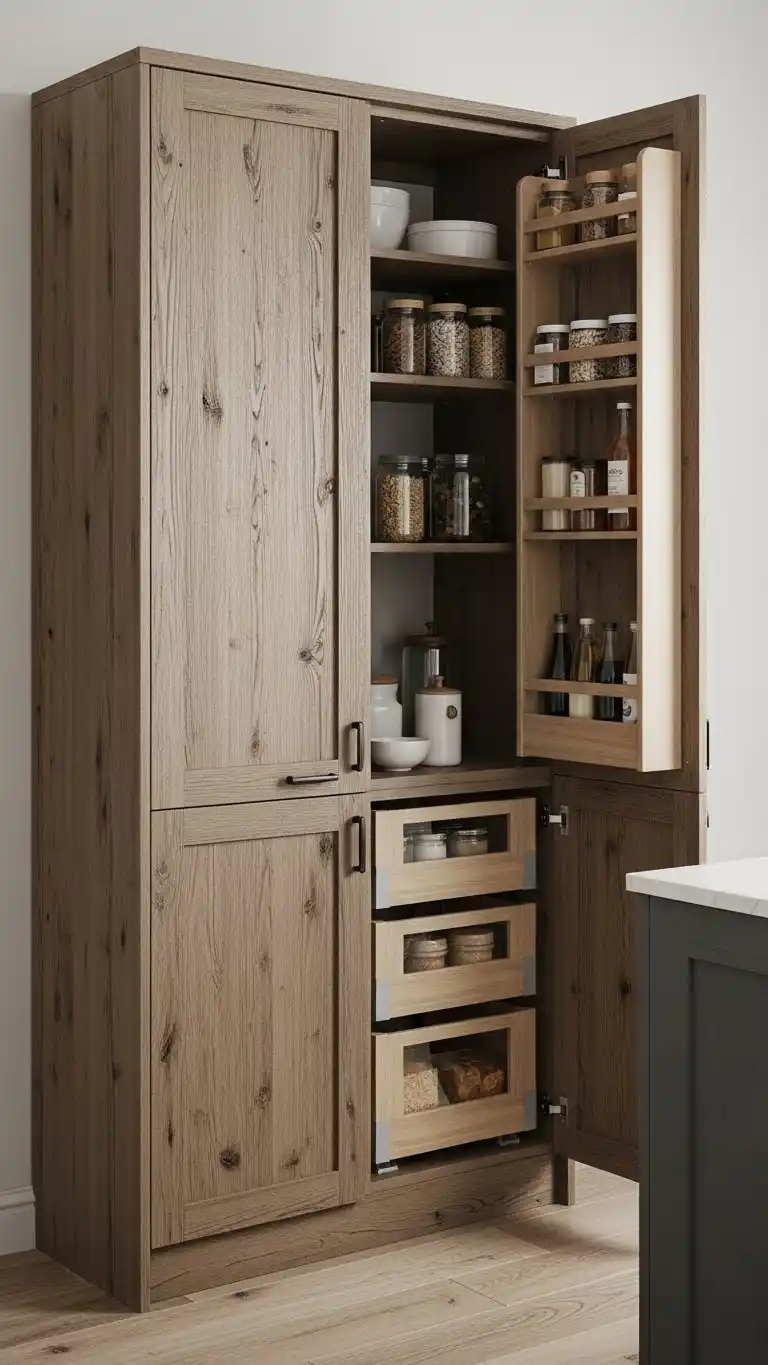
Tall pantry cabinets provide ample storage while reducing the need for additional furniture, making kitchens more efficient and environmentally conscious.
Using reclaimed wood or FSC-certified materials ensures these cabinets remain sustainable while delivering long-lasting durability and classic appeal.
Pantry cabinets with adjustable shelving or modular inserts maximize storage flexibility, reducing clutter and promoting organized, functional kitchens.
Low-VOC finishes or natural oils, preserve indoor air quality while highlighting wood grain and maintaining eco-friendly principles.
Tall cabinets work with other sustainable cabinetry, open shelving, or kitchen islands to create a balanced, cohesive, and practical kitchen design.
Homeowners benefit from efficient storage solutions that save space, reduce material waste, and contribute to environmentally responsible living.
22. Pull-Out Cabinet Organizers
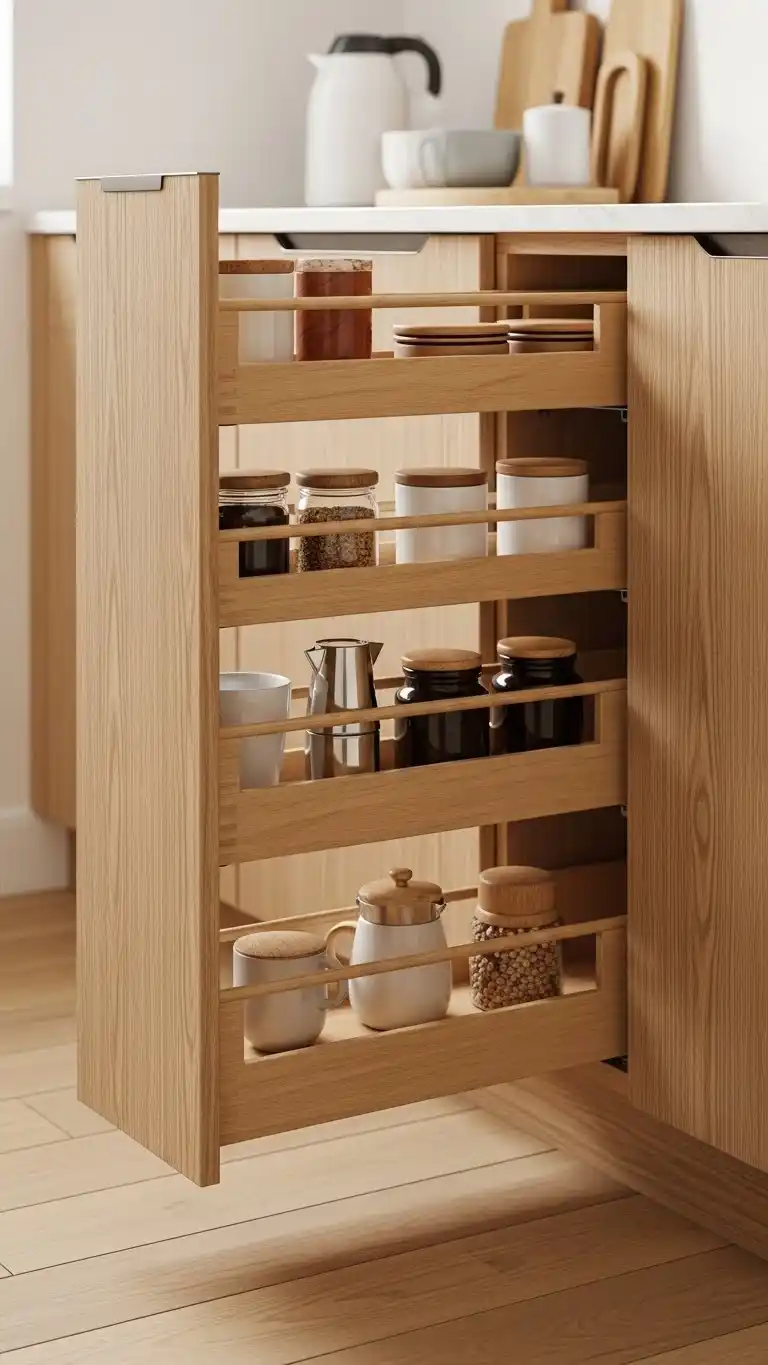
Pull-out cabinet organizers maximize storage while improving accessibility, reducing the need for additional furniture or countertop space in sustainable kitchens.
Using FSC-certified or reclaimed wood ensures the organizers themselves remain environmentally responsible while supporting long-term durability.
These solutions help keep kitchens tidy and functional, supporting eco-conscious habits by reducing clutter and enhancing storage efficiency.
Low-VOC finishes or natural oil coatings, preserve indoor air quality and maintain the aesthetic beauty of sustainable wood surfaces.
Pull-out organizers integrate seamlessly with modular or minimalist cabinets, creating a cohesive kitchen design that combines practicality and sustainability.
By choosing these organizers, homeowners can enjoy convenient, accessible storage while maintaining eco-friendly and durable cabinetry.
23. Sustainable Corner Drawers
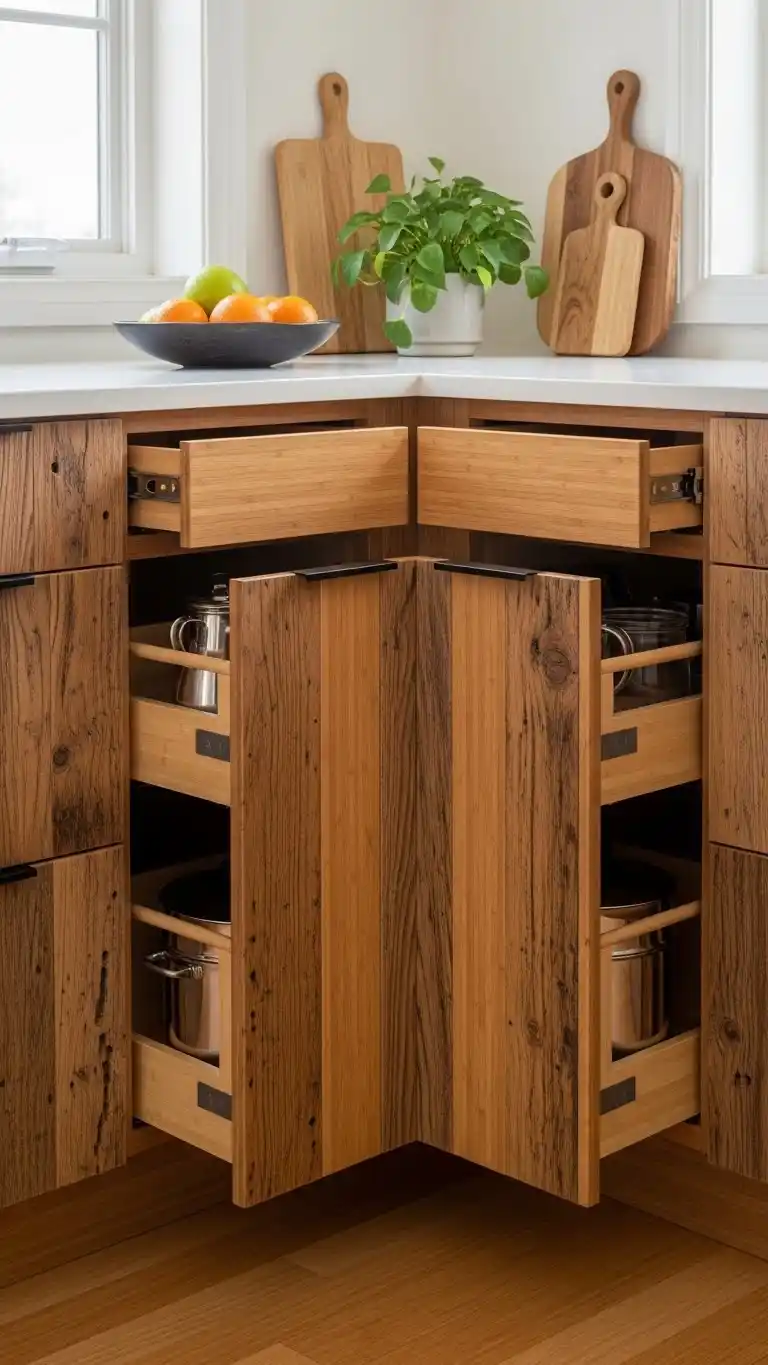
Corner drawers utilize previously wasted space in kitchens, improving storage efficiency while maintaining sustainable design principles.
Reclaimed wood, bamboo, or FSC-certified timber ensures durability and environmental responsibility for these uniquely shaped cabinets.
Corner drawers often incorporate innovative sliding mechanisms, maximizing access to kitchen essentials while reducing clutter in tight spaces.
Low-VOC finishes or natural oils protect indoor air quality while highlighting the wood’s texture and supporting eco-conscious materials.
These cabinets integrate well with modular, tall pantry, or open shelving designs, creating functional and environmentally responsible kitchens.
Homeowners gain practical storage solutions without compromising on design, sustainability, or long-term durability.
24. Sustainable Cabinets with Integrated Appliances
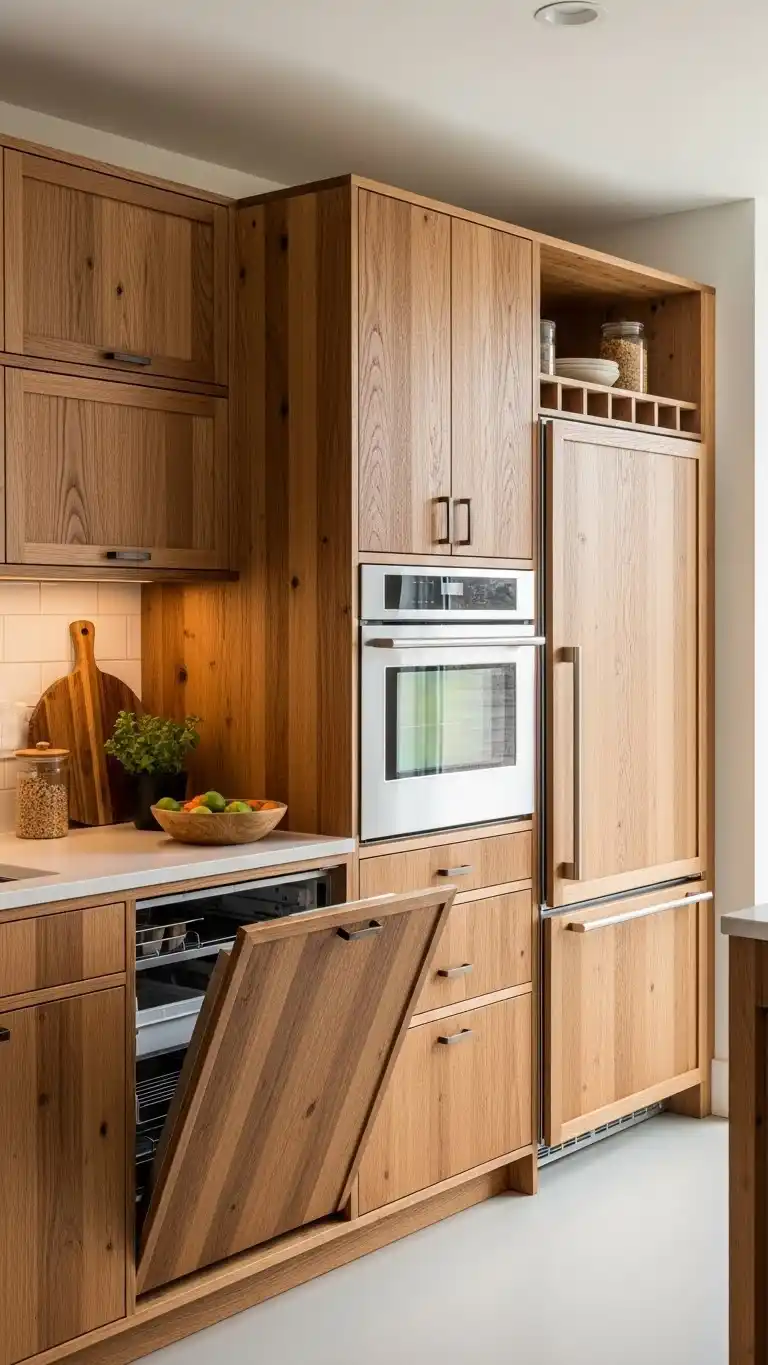
Integrating appliances into sustainable cabinets allows homeowners to maintain sleek designs while minimizing extra material use and maximizing efficiency.
FSC-certified or reclaimed wood frames ensure that appliance integration remains environmentally responsible without sacrificing durability or style.
Custom panels can match surrounding cabinetry, blending seamlessly with bamboo, low-VOC finished, or two-tone sustainable designs.
Eco-conscious installation reduces waste and promotes a cleaner, more organized kitchen layout while showcasing innovative sustainable design solutions.
Homeowners benefit from cohesive, efficient kitchens that balance modern functionality with eco-friendly principles and durable cabinet materials.
25. Sustainable Cabinets with Hidden Drawers
Hidden drawers provide discreet storage while optimizing kitchen space, reducing clutter, and maintaining eco-conscious design aesthetics.
Using reclaimed or FSC-certified wood ensures that hidden drawers support sustainability while offering durability and longevity.
These cabinets work well with modular systems, corner drawers, or two-tone designs, enhancing both kitchen organization and visual appeal.
Low-VOC finishes or natural oils preserve air quality while complementing sustainable wood textures, maintaining responsible material usage.
Homeowners gain efficient, functional storage solutions while keeping their kitchens stylish, organized, and environmentally friendly.
Hidden drawers reflect smart design decisions that combine usability, aesthetics, and long-term sustainability.
26. Sustainable Cabinets for Outdoor Kitchens
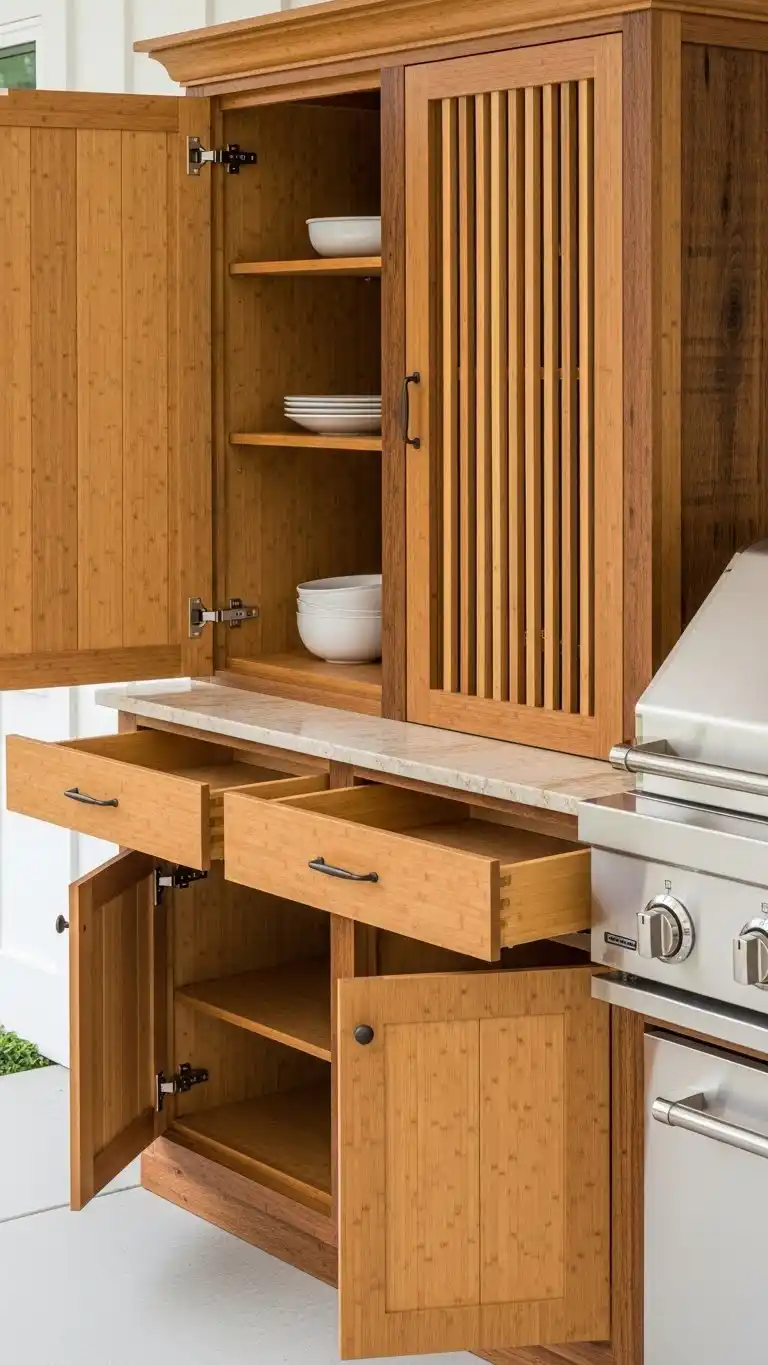
Outdoor kitchens benefit from sustainable wood cabinets that resist weather and reduce environmental impact through responsible material sourcing.
Reclaimed wood, bamboo, or FSC-certified hardwood ensures durability and eco-friendliness while maintaining an attractive, functional outdoor cooking area.
Weather-resistant finishes, like natural oils or non-toxic sealants, protect the cabinets from moisture and sun exposure without harming the environment.
Sustainable outdoor cabinets can incorporate open shelving, pull-out drawers, or integrated appliances, offering the same practicality as indoor kitchens.
Homeowners enjoy durable, stylish, and environmentally responsible storage solutions for patios, decks, or backyard cooking spaces.
Outdoor sustainable cabinetry reflects long-term planning, environmental care, and functional design for modern outdoor living.
27. Custom Sustainable Cabinets
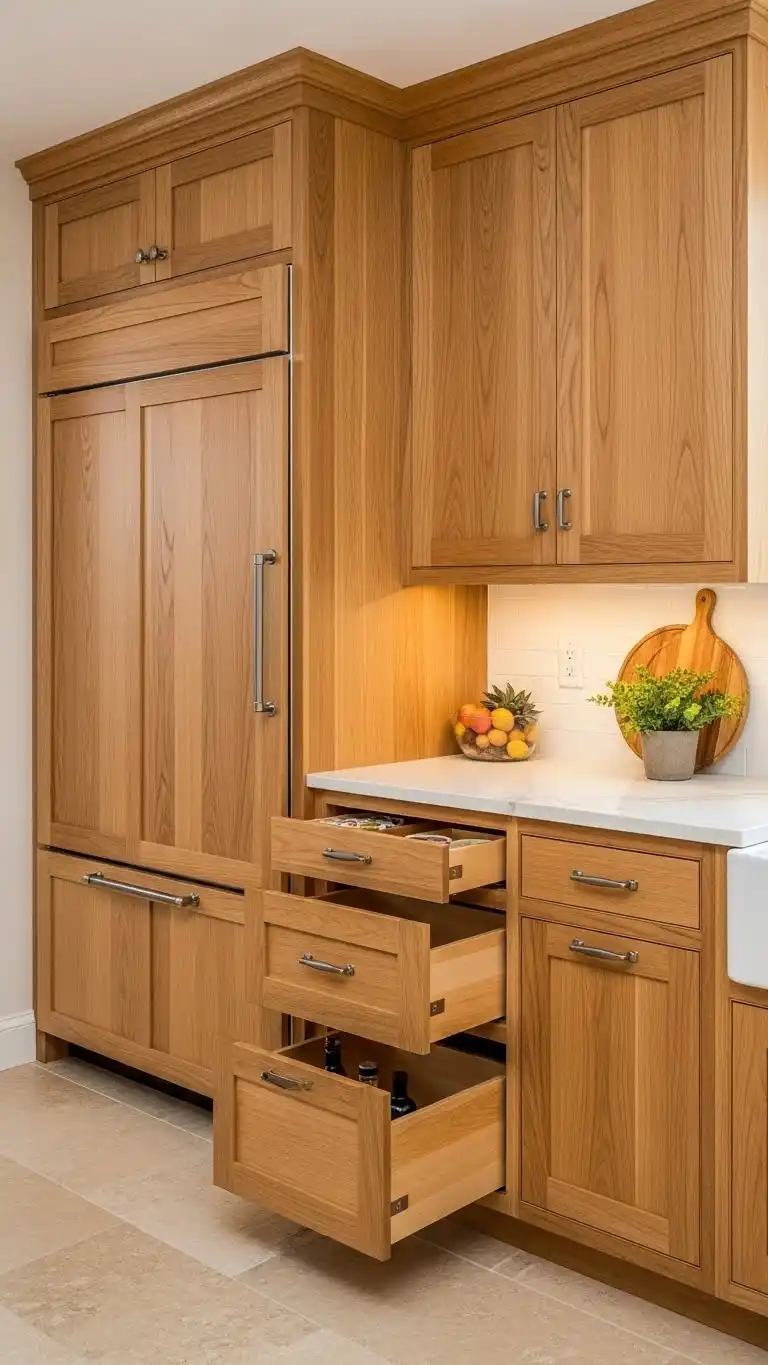
Custom sustainable cabinets allow homeowners to create personalized kitchen designs while choosing eco-friendly materials and finishes for durability and style.
FSC-certified wood, reclaimed timber, or bamboo ensures that the custom design remains environmentally responsible and supports long-term use.
Custom cabinetry enables optimization of space, workflow, and aesthetics while incorporating modern features like pull-out organizers, hidden drawers, or two-tone finishes.
Low-VOC paints or natural oils preserve air quality and highlight the natural beauty of sustainable wood materials.
Homeowners can achieve unique, functional, and stylish kitchens while demonstrating commitment to sustainability and responsible material sourcing.
Custom sustainable cabinets represent a perfect balance between creativity, practicality, and eco-conscious design principles.
How to Maintain Sustainable Wood Kitchen Cabinets
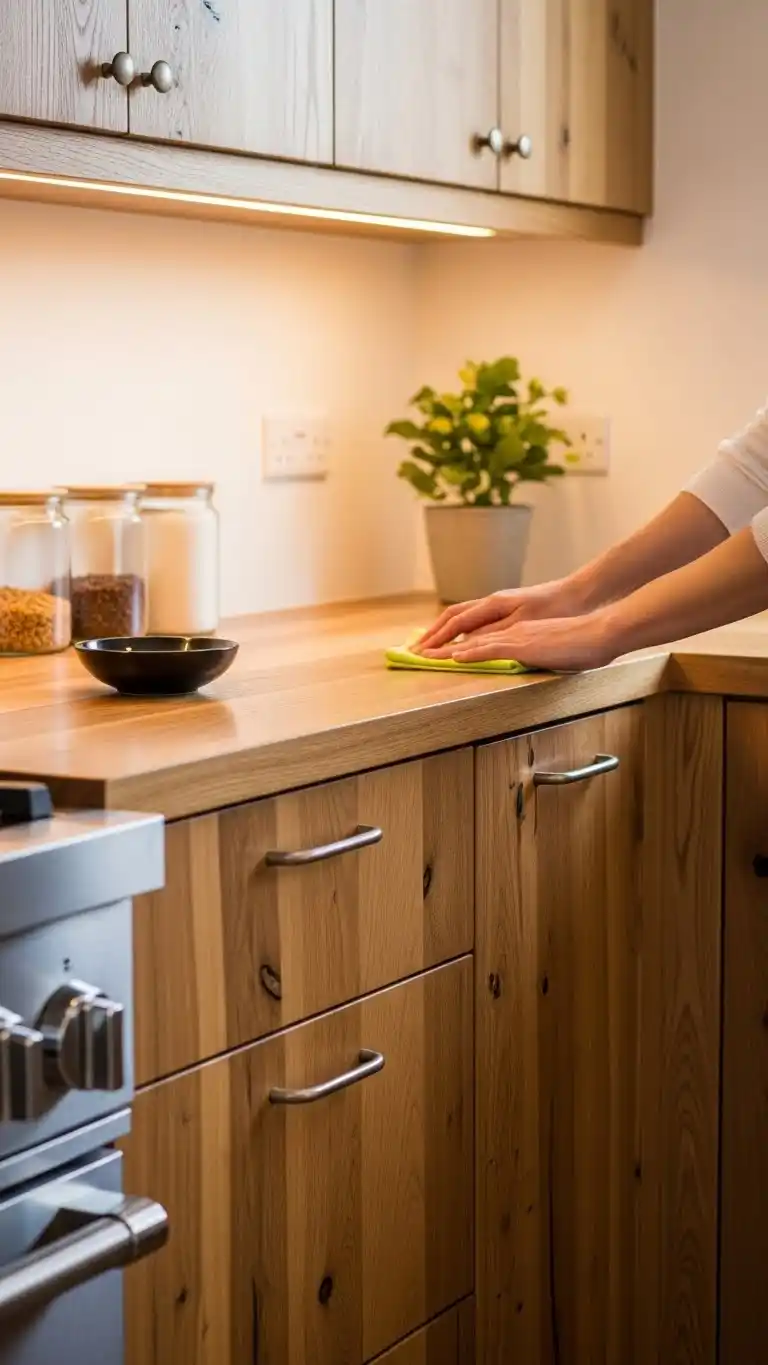
Proper maintenance extends the lifespan of sustainable wood kitchen cabinets while preserving their environmental and aesthetic benefits.
Clean cabinets regularly using gentle, eco-friendly cleaners to avoid damaging wood finishes or releasing harmful chemicals into your home.
Polishing with natural oils or low-VOC products enhances wood grain and protects surfaces without compromising indoor air quality.
Check for moisture or water damage around sinks, dishwashers, and countertops, addressing issues promptly to prevent long-term harm.
Seasonal maintenance, such as tightening hardware or inspecting drawers, ensures durability and reduces the need for replacements.
By maintaining sustainable cabinets thoughtfully, homeowners protect both their investment and the environment over time.
Latest Trends in Sustainable Kitchen Cabinet Design
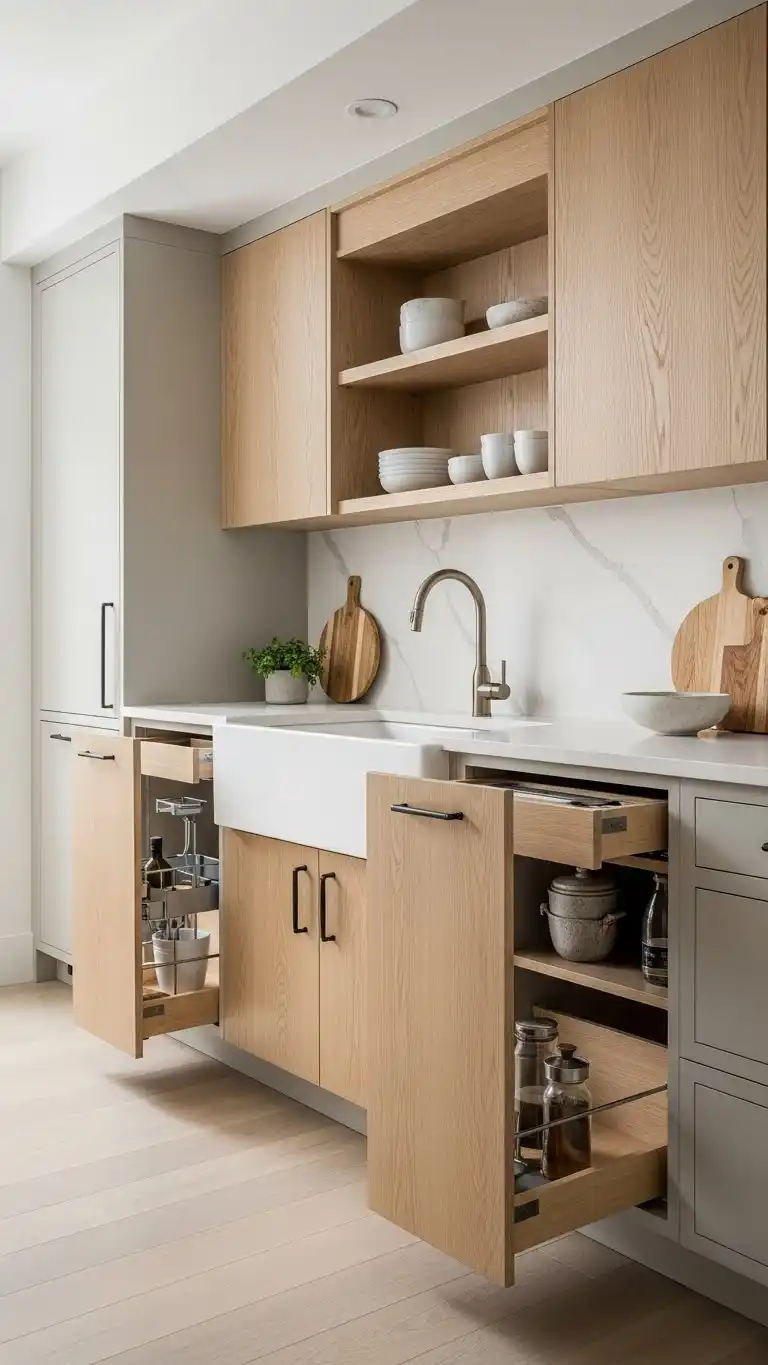
Current trends focus on combining sustainability with style, creating functional and visually appealing kitchens.
Two-tone cabinets, open shelving, matte finishes, and minimalist designs are increasingly popular while using eco-friendly materials.
Bamboo, reclaimed wood, and FSC-certified hardwood remain favored for durability, sustainability, and aesthetic versatility.
Integrating modular layouts, hidden drawers, and pull-out organizers enhances functionality while reducing material waste.
Homeowners can combine classic and modern design elements while prioritizing sustainability, achieving practical and elegant kitchen spaces.
Cost Considerations and Value of Sustainable Cabinets
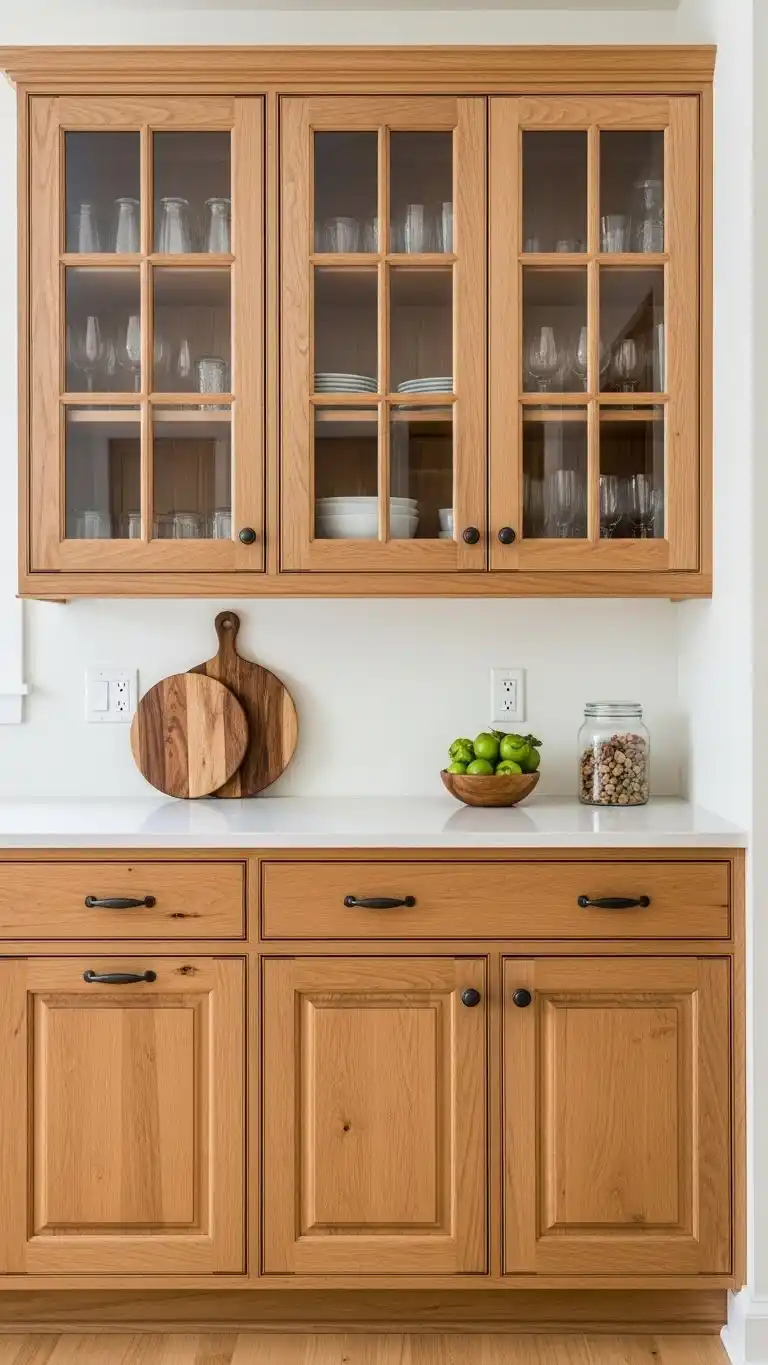
Sustainable wood kitchen cabinets vary in cost depending on materials, finishes, and customization, but they offer long-term savings and value.
FSC-certified hardwood or reclaimed wood may be initially more expensive than conventional alternatives but provide durability and reduced replacement costs.
Low-VOC finishes and eco-friendly hardware add minor upfront expenses but improve indoor air quality and reduce environmental impact.
Investing in sustainable cabinets ensures long-term returns through longevity, reduced maintenance, and environmental responsibility.
Comparing conventional versus sustainable options highlights both economic and ecological benefits, making eco-friendly cabinets a smart choice.
Eco-Friendly Cabinet Accessories and Hardware
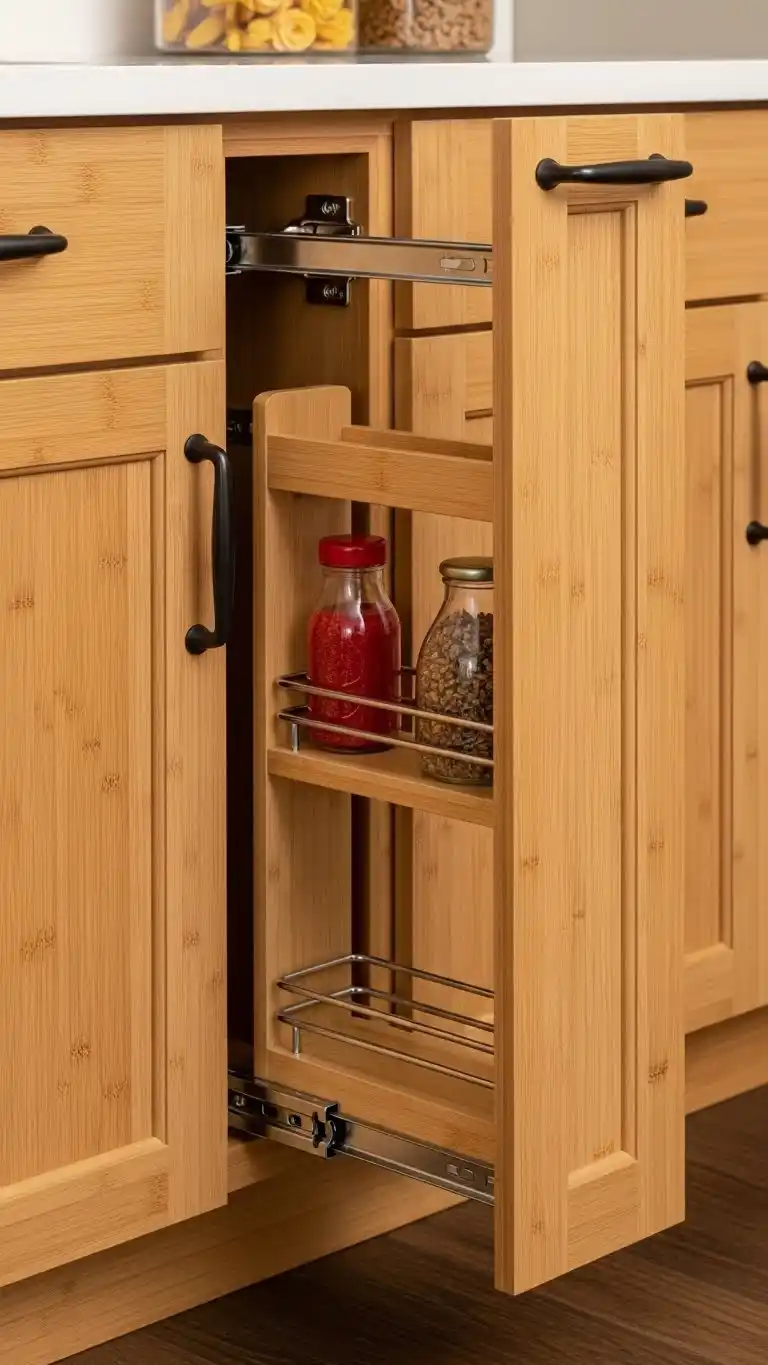
Cabinet accessories, such as recycled metal handles, soft-close hinges, and pull-out organizers, enhance sustainability while improving kitchen functionality.
Using eco-conscious hardware reduces waste and supports responsible manufacturing practices without compromising durability or design.
These accessories integrate seamlessly with bamboo, reclaimed wood, or FSC-certified cabinets, creating cohesive, stylish, and functional kitchens.
Homeowners benefit from improved usability, long-term durability, and environmentally responsible choices throughout the kitchen.
Eco-friendly hardware demonstrates that even small design decisions contribute meaningfully to sustainability and practical kitchen efficiency.
Future of Sustainable Kitchen Cabinets
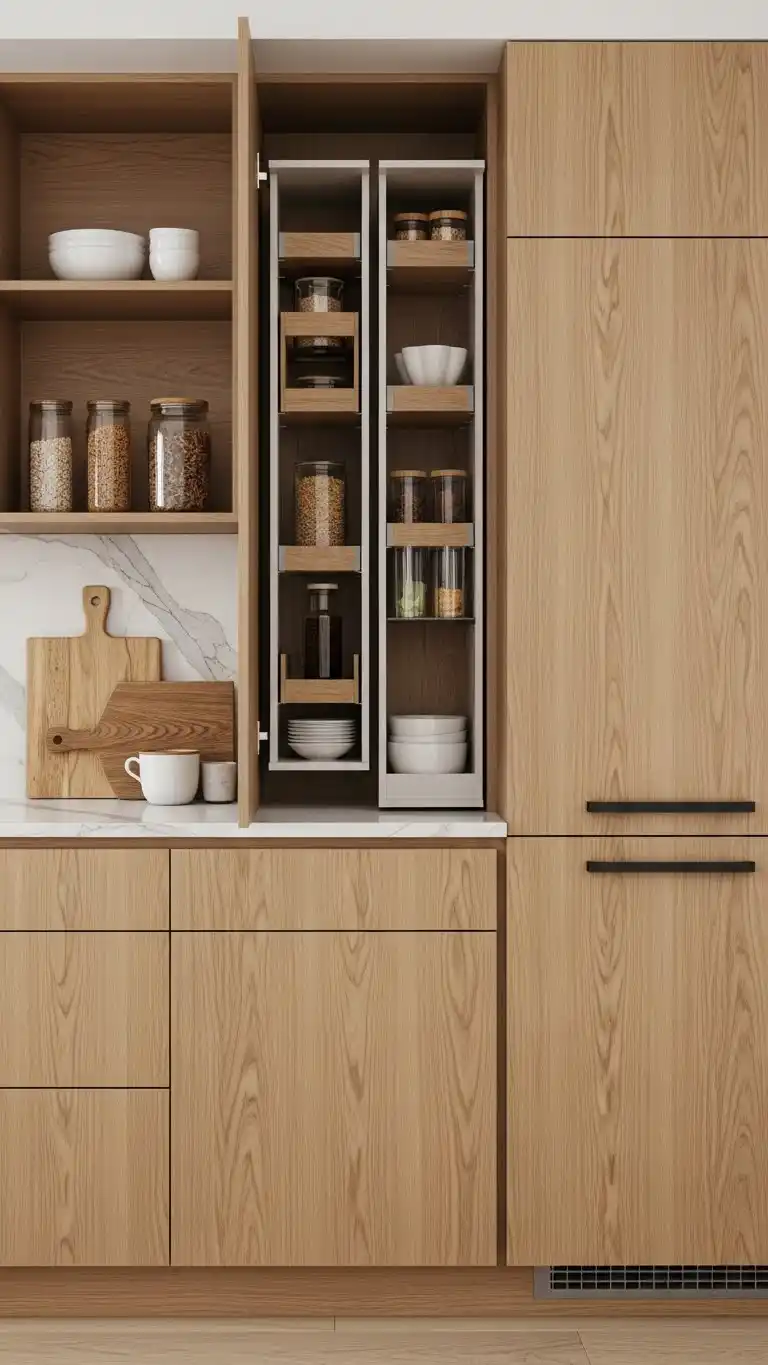
Advancements in sustainable materials and innovative designs continue to improve kitchen cabinetry for modern homeowners.
Engineered wood alternatives, bio-based finishes, and modular systems reduce resource consumption while increasing durability and design flexibility.
Technology enables smarter storage solutions, longer-lasting finishes, and low-impact manufacturing that minimizes environmental footprint.
Future kitchens will combine aesthetics, functionality, and sustainability, ensuring eco-conscious choices remain central to home design.
Homeowners investing in future-proof, sustainable cabinets contribute to long-term environmental responsibility and timeless kitchen appeal.
Final Wrap-Up
Sustainable wood kitchen cabinets offer a perfect balance of style, durability, and environmental responsibility for modern kitchens.
From reclaimed wood and bamboo to custom and modular designs, these cabinets provide endless options for eco-conscious homeowners.
Maintaining cabinets with proper care, using low-VOC finishes, and selecting eco-friendly hardware ensures long-term functionality and aesthetic appeal.
Trends like two-tone designs, open shelving, and pull-out organizers enhance both practicality and sustainability, creating elegant and responsible kitchen spaces.
By choosing sustainable cabinetry, homeowners invest in quality, functionality, and the environment, making their kitchens beautiful, efficient, and eco-conscious.
Sustainable wood kitchen cabinets are not just an investment in home design—they represent a commitment to thoughtful, responsible living.