Are Woks Illegal in Poland? Debunking the Myth


The question Are woks illegal in Poland? has sparked curiosity among cooking enthusiasts and travelers alike.
It sounds like an odd rumor—could a simple cooking tool like a wok really be banned?
Let’s dive into this quirky query, explore the facts, and uncover why woks remain a beloved kitchen staple worldwide, including in Poland.
The Origin of the Rumor
Rumors about woks being illegal in Poland likely stem from cultural misunderstandings or exaggerated tales.
Poland, with its rich culinary heritage, embraces a variety of cooking methods.
Traditional Polish dishes like pierogi or bigos don’t typically require a wok, which might lead some to assume this pan is out of place.
However, there’s no evidence in Polish law or regulations that bans woks.
This myth may have arisen from confusion about kitchen regulations in certain settings, like commercial kitchens, or from the rarity of woks in traditional Polish households.
Why Woks Are Perfectly Legal
Woks are just another type of cookware, like a frying pan or a saucepan. Polish laws don’t restrict the use of specific cookware in home kitchens.
Whether you’re stir-frying, deep-frying, or steaming, a wok is as legal as any other pot or pan.
In fact, woks are gaining popularity in Poland as global cuisines like Asian stir-fries become more common.
Polish home cooks and chefs alike appreciate the versatility of woks for creating diverse dishes.
The Appeal of Woks in Modern Polish Kitchens

Woks are celebrated for their ability to handle high-heat cooking, making them ideal for stir-frying, searing, and even deep-frying.
In Poland, where hearty dishes dominate, woks offer a fresh way to explore international flavors.
For example, you can use a wok to whip up a quick stir-fry or even cook rice with a unique texture.
The wok’s high sides and wide surface make it a versatile tool for experimenting with new recipes.
Choosing the Right Wok for Your Polish Kitchen
If you’re in Poland and eager to try wok cooking, selecting the right wok is key. A carbon steel wok is a popular choice due to its durability and heat retention.
But which size should you pick? Check out this guide on what size wok to buy to find the perfect fit for your stove.
For those with electric stoves, a flat-bottom wok is often recommended.
Learn more about using a flat-bottom wok on an electric stove to ensure even cooking.
Seasoning Your Wok: A Must for Longevity

To keep your wok in top shape, seasoning is essential. Seasoning creates a natural non-stick surface and enhances the flavor of your dishes.
If you’re using a carbon steel wok, follow these steps to season it properly.
Polish cooks new to woks might wonder about the patina. A well-seasoned wok develops a dark, glossy layer over time.
Curious about what a wok patina should look like? It’s a sign of a well-loved wok!
Woks on Different Stovetops in Poland
Poland’s kitchens often feature electric or gas stoves, and some modern homes have induction cooktops.
Can a wok work on these? Absolutely. For induction users, a carbon steel wok is compatible, but you may need to season it differently.
If you have a glass-top stove, don’t worry—woks can work there too. Check out tips for using a wok on a glass-top stove to avoid scratches and ensure safety.
Cleaning and Maintaining Your Wok
Proper care keeps your wok performing at its best. Avoid dishwashers, as they can strip the seasoning.
Instead, follow this guide on how to clean a wok to maintain its non-stick properties.
For cast-iron wok owners, specific cleaning methods apply. Learn the best practices in how to clean a cast-iron wok to prevent rust and prolong its life.
Wok Cooking Beyond Stir-Fry

While woks are synonymous with stir-frying, they’re incredibly versatile. In Poland, you could use a wok to make everything from popcorn to soups.
Curious about making popcorn in a wok? It’s a fun and easy way to use this pan.
You can also explore what else to cook in a wok besides stir-fry to expand your culinary horizons.
Addressing Common Misconceptions
Some might think woks are unsafe or impractical for Polish kitchens. For instance, are carbon steel woks safe for health?
Yes, when properly seasoned, they’re perfectly safe and add no harmful chemicals to your food.
Another myth is that woks are only for gas stoves. Not true! With the right techniques, you can use a wok on any stovetop, including induction cooktops.
Woks vs. Other Cookware
How does a wok compare to other pans in a Polish kitchen? Unlike a Dutch oven or a cast-iron skillet, a wok’s shape allows for quick, high-heat cooking.
It’s also different from a stir-fry pan, which may not handle heat as well.
For a deeper dive, explore why a wok is better than a frying pan for certain dishes.
Cultural Acceptance of Woks in Poland
As Poland embraces global cuisines, woks are becoming more common in urban areas like Warsaw and Kraków.
Restaurants serving Asian-inspired dishes often use woks, and home cooks are following suit.
The rise of international grocery stores in Poland also makes it easier to find ingredients for wok cooking, from soy sauce to fresh ginger.
Practical Tips for Wok Newbies
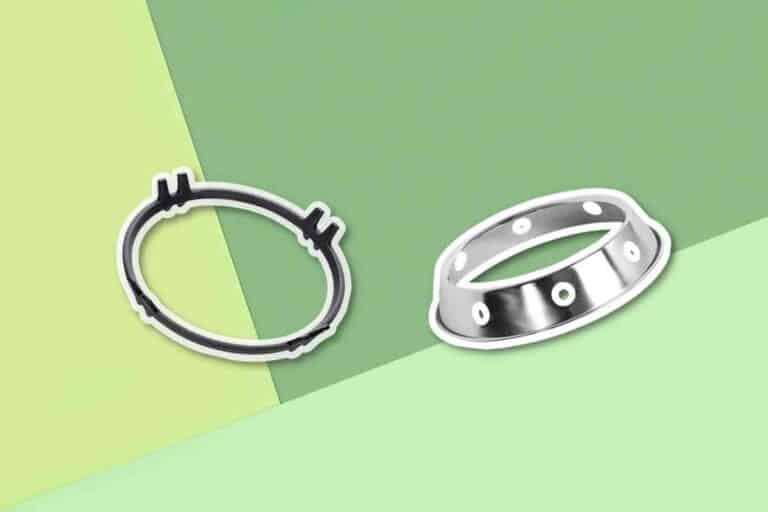
If you’re new to wok cooking, start with a wok ring for stability on gas or electric stoves.
Not sure which oil to use? Check out the best oil for wok cooking to get started.
For inspiration, try making fried rice in a wok—it’s a classic dish that’s easy to master.
Conclusion: Woks Are Here to Stay
So, are woks illegal in Poland? Absolutely not. This myth is just that—a myth. Woks are a legal, versatile, and exciting addition to any Polish kitchen.
Whether you’re stir-frying, steaming, or experimenting with new recipes, a wok can elevate your cooking game.
Ready to get started? Explore what wok to buy and bring the world of wok cooking to your Polish home.