Moody Kitchen Cabinets: 25 Inspiring Design Ideas

Dark colors can make a big statement in the kitchen. From deep charcoal to rich navy and forest green, moody kitchen cabinets bring elegance and personality to any space. Explore these inspiring ideas to create a kitchen that feels both dramatic and inviting.
When I first decided to update my kitchen, I couldn’t stop staring at the cabinets. They felt… safe, but also boring.
White and beige had been my go-to for years, but I wanted something different—something that made the kitchen feel bold, cozy, and full of character. That’s when I discovered moody kitchen cabinets.
Deep navy, charcoal, and forest green instantly add drama without feeling overwhelming. I learned that pairing them with warm wood tones, brass hardware, or marble countertops turns the space from cold and flat into rich and inviting.
Even small touches—like moody lower cabinets with lighter upper ones—can give your kitchen a designer feel without a full remodel.
Moody cabinets are more than a trend; they create a mood, a vibe, a space that feels intentional. In the sections below, I’ll share ideas and tips for incorporating this bold style while keeping your kitchen timeless and practical.
Understanding Moody Kitchen Cabinets
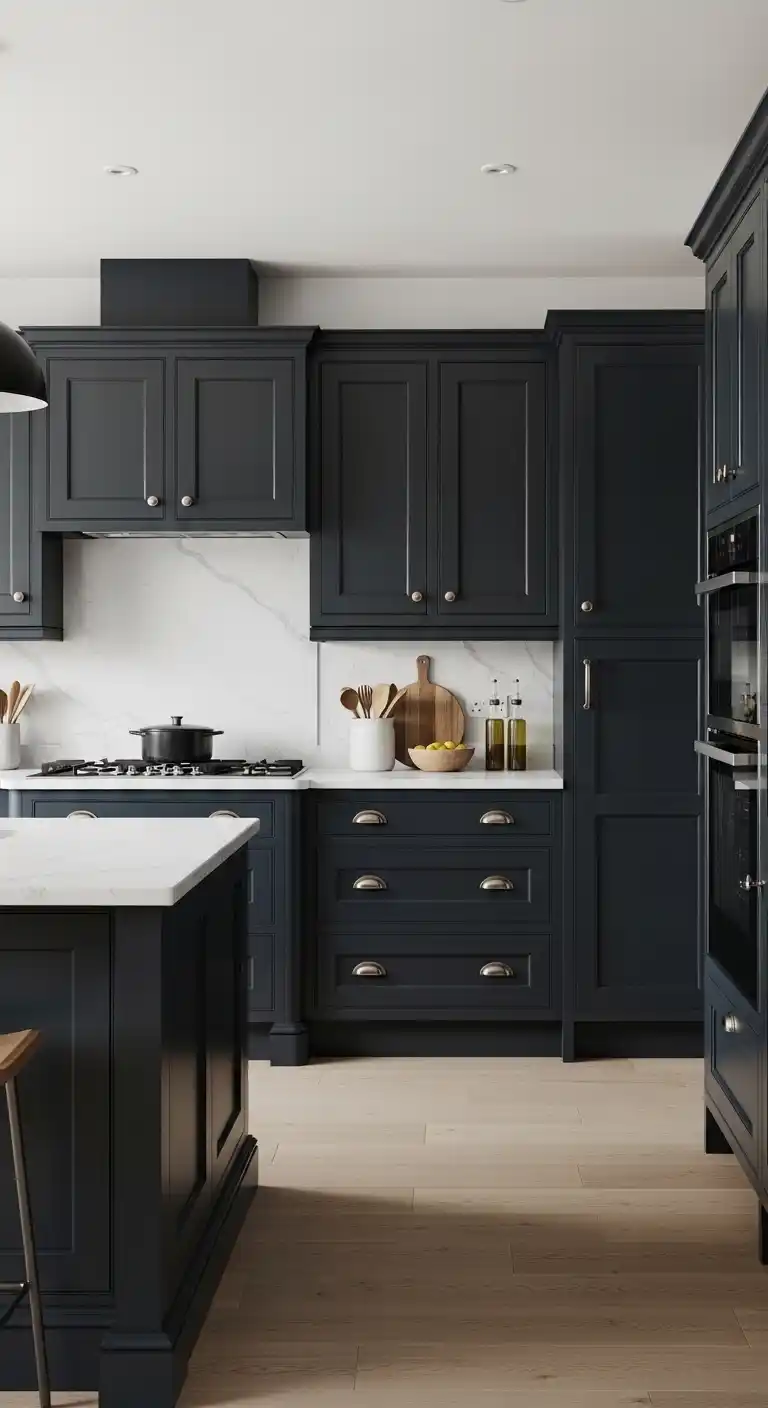
Moody kitchen cabinets refer to cabinetry finished in deep, rich tones such as navy, charcoal, forest green, or matte black, giving kitchens a dramatic and elegant feel.
These cabinets create a sophisticated focal point and enhance the overall visual impact of the kitchen by contrasting with lighter walls, countertops, or flooring.
Homeowners choose moody cabinetry to introduce personality and depth into the space, avoiding bland or overly neutral kitchen designs that feel impersonal.
Pairing these deep tones with metallic hardware, textured surfaces, and strategic lighting adds warmth and luxury, making the kitchen appear both cozy and stylish.
In addition, designers emphasize that moody cabinets can work in traditional, modern, and minimalist kitchens, providing flexibility for various styles and functional requirements.
25 Moody Kitchen Cabinets Ideas
1. Moody Kitchen Cabinets in Classic Kitchens
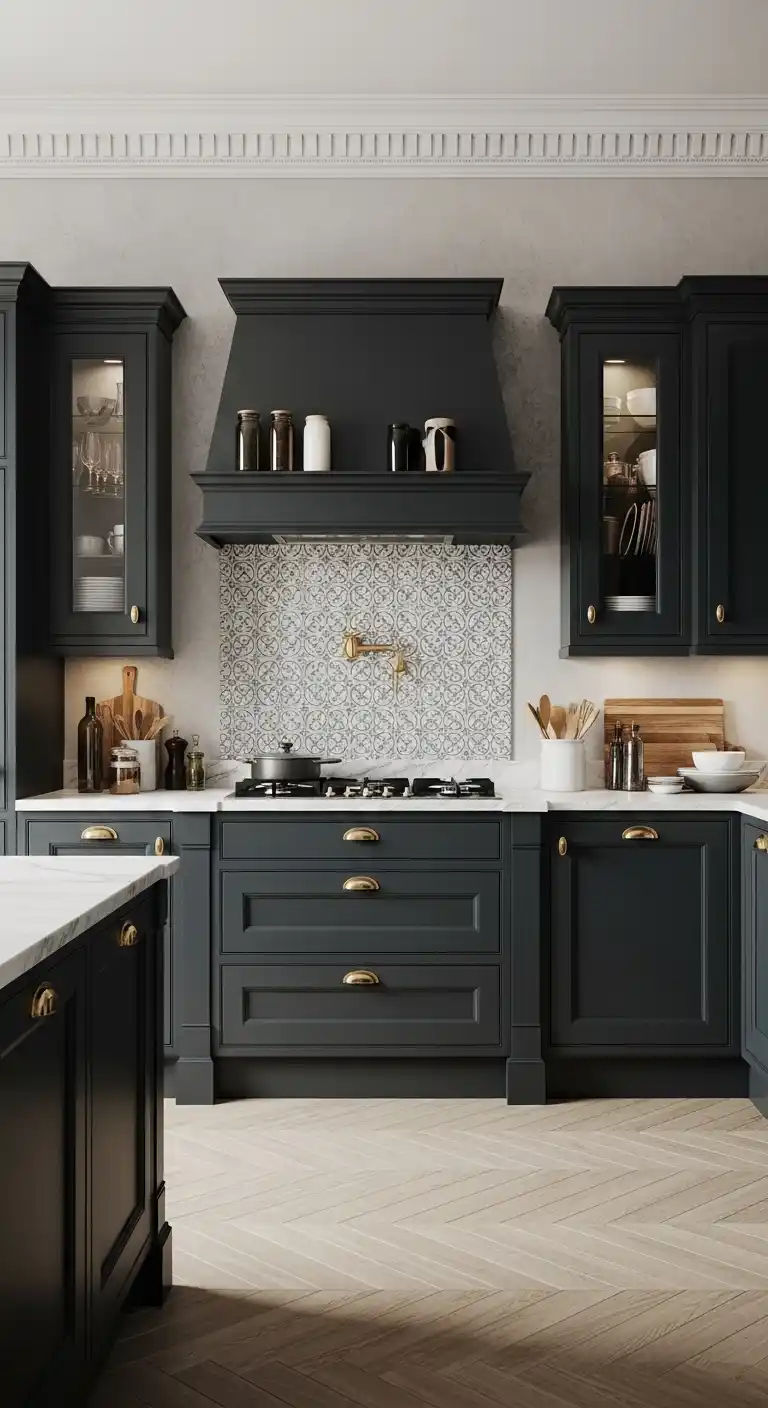
Moody kitchen cabinets elevate classic kitchens by adding rich, sophisticated tones that complement traditional design elements like ornate moldings and marble countertops.
Deep hues, such as forest green or navy, pair beautifully with antique brass hardware and warm wood finishes, creating an inviting, timeless atmosphere.
Symmetry and proportion are essential, ensuring that bold cabinetry enhances the room rather than overpowering it.
Adding layered textures, like a patterned backsplash or textured walls, creates depth and balance, maintaining elegance without overwhelming the senses.
Even in large, spacious kitchens, these moody cabinets bring a sense of intimacy, warmth, and sophistication, making the space feel curated and luxurious.
Classic kitchens benefit from moody cabinetry because it adds a luxurious focal point while harmonizing with traditional furniture, lighting, and decorative details.
2. Moody Kitchen Cabinets in Modern Minimalist Spaces
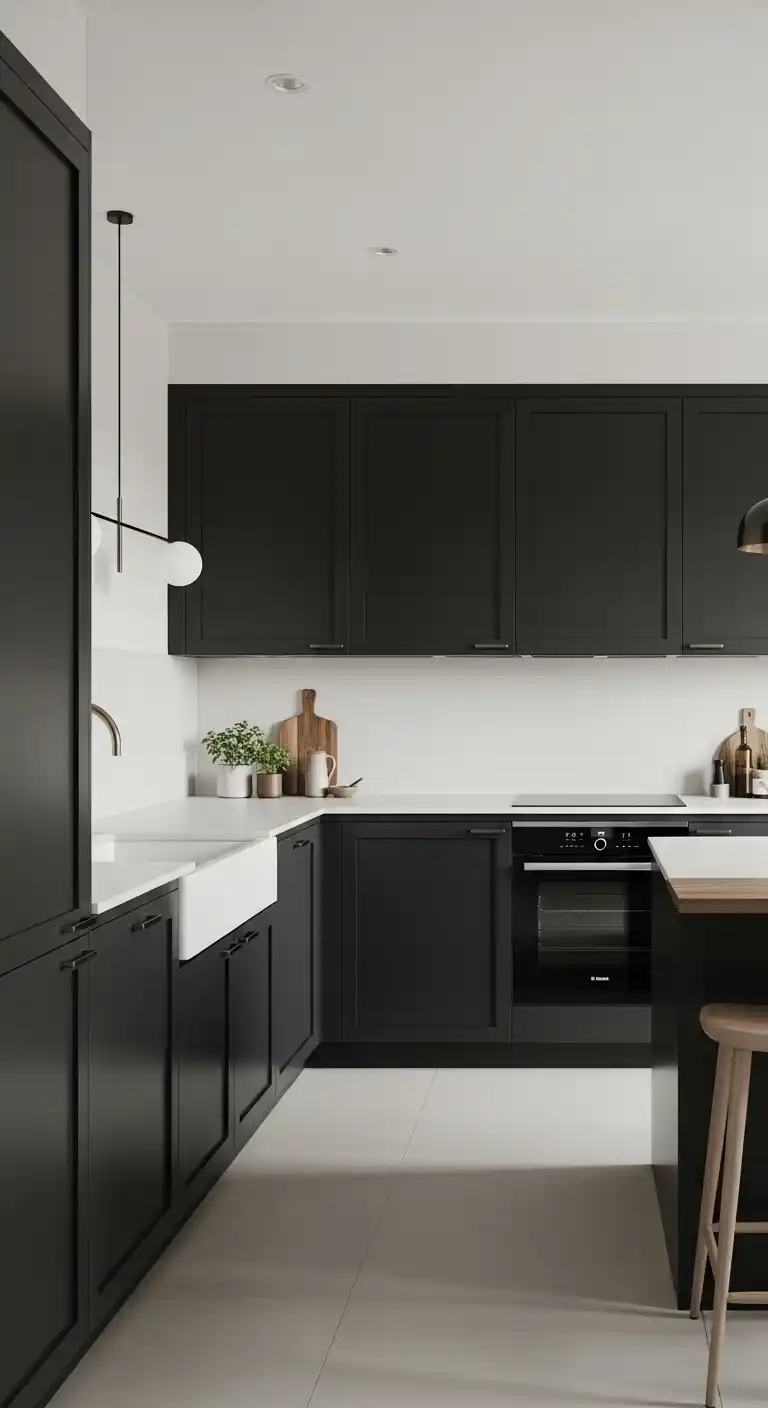
In modern minimalist kitchens, moody kitchen cabinets create a striking focal point while keeping the overall design clean and uncluttered.
Handleless doors, matte finishes, and sleek lines ensure the cabinetry looks sophisticated without competing with the minimalist aesthetic.
Pairing deep tones like charcoal or matte black with neutral flooring and light-colored countertops introduces visual contrast without overwhelming the space.
Subtle metallic fixtures, pendant lighting, or reflective backsplashes enhance the drama while preserving simplicity, giving the kitchen a modern yet inviting feel.
Even in open-concept layouts, moody cabinets define the kitchen area as a bold design element, providing structure and personality.
This approach demonstrates that dark, dramatic cabinetry can coexist with minimalist principles, creating a space that is both stylish and functional.
3. Moody Kitchen Cabinets with Open Shelving
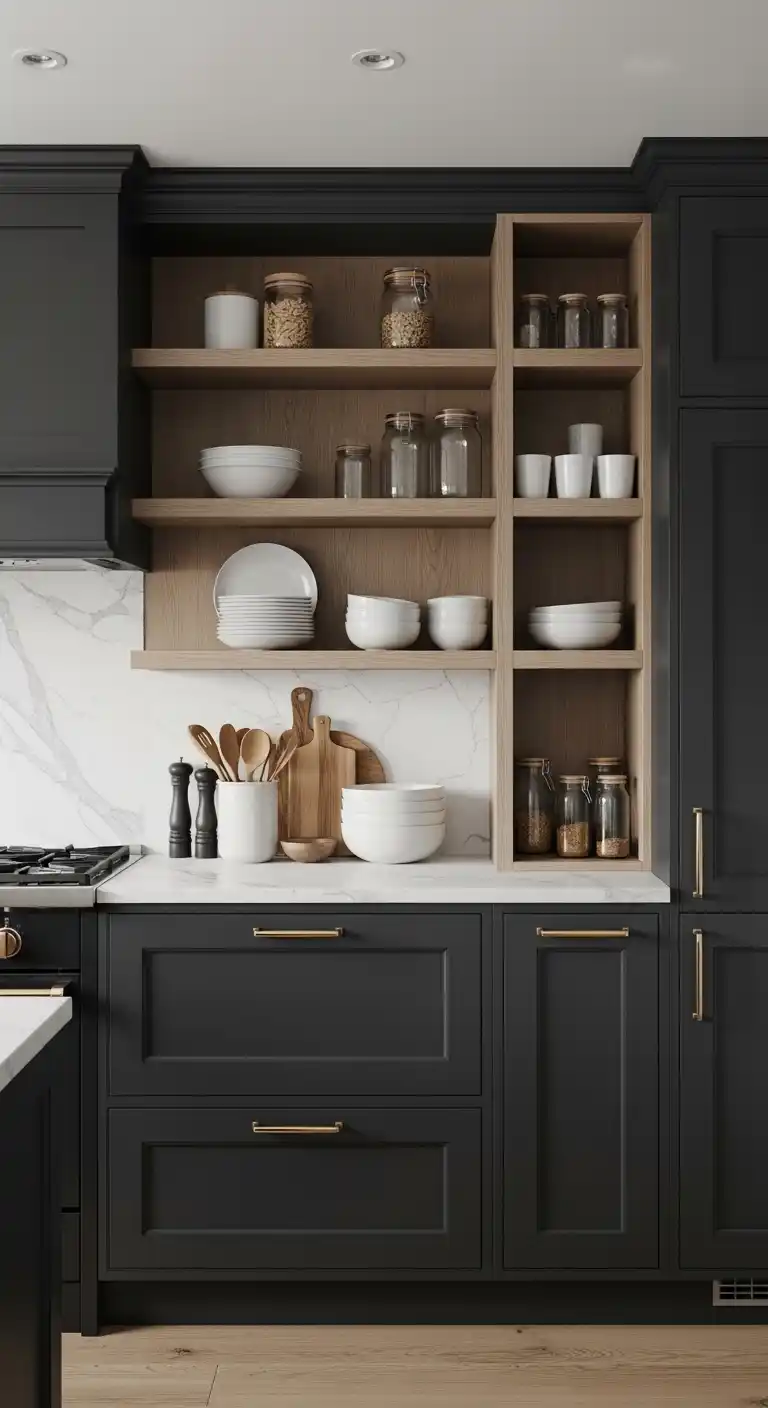
Combining moody kitchen cabinets with open shelving balances dramatic tones with visually lighter elements that prevent the space from feeling heavy.
Neutral or wooden shelves display functional items like plates, bowls, or glass jars, creating visual interest and adding warmth to the kitchen.
Strategic organization and thoughtful color coordination ensure open shelves complement the deep cabinetry rather than clashing with it.
Open shelving also encourages accessibility and practicality while allowing homeowners to personalize the kitchen with décor or meaningful kitchenware.
The contrast between solid moody cabinets and airy shelving introduces dimension, highlighting the richness of the cabinet colors and creating a dynamic, stylish space.
This design works well in both small and large kitchens, offering flexibility while maintaining the bold elegance of moody cabinetry.
4. Matte vs Glossy Moody Kitchen Cabinets
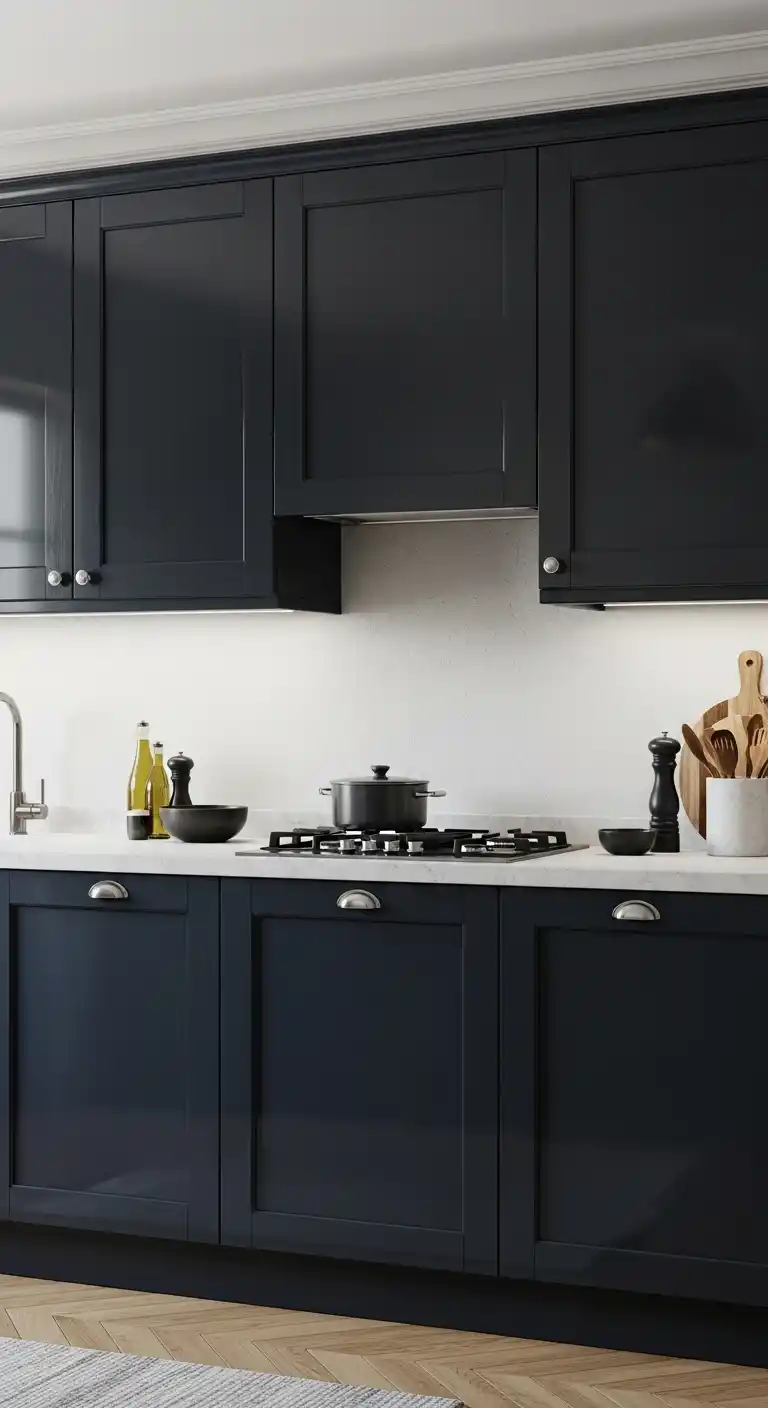
Choosing between matte and glossy finishes dramatically affects the kitchen’s ambiance, mood, and perception of space.
Matte finishes provide understated elegance, conceal fingerprints, and highlight textures, making them ideal for creating cozy, sophisticated kitchens.
Glossy cabinets reflect light, making deep tones like navy or charcoal appear brighter and helping smaller kitchens feel more spacious.
Large kitchens with ample natural light can benefit from matte cabinetry, which emphasizes richness and intimacy, while glossy finishes enhance drama in minimalist layouts.
Pairing either finish with contrasting countertops, metallic hardware, or textured backsplashes amplifies depth, ensuring the moody cabinets remain a striking focal point.
Ultimately, homeowners should select a finish that complements both the kitchen’s lighting conditions and overall design objectives, achieving a cohesive and bold aesthetic.
5. Moody Kitchen Cabinets with Contrasting Countertops
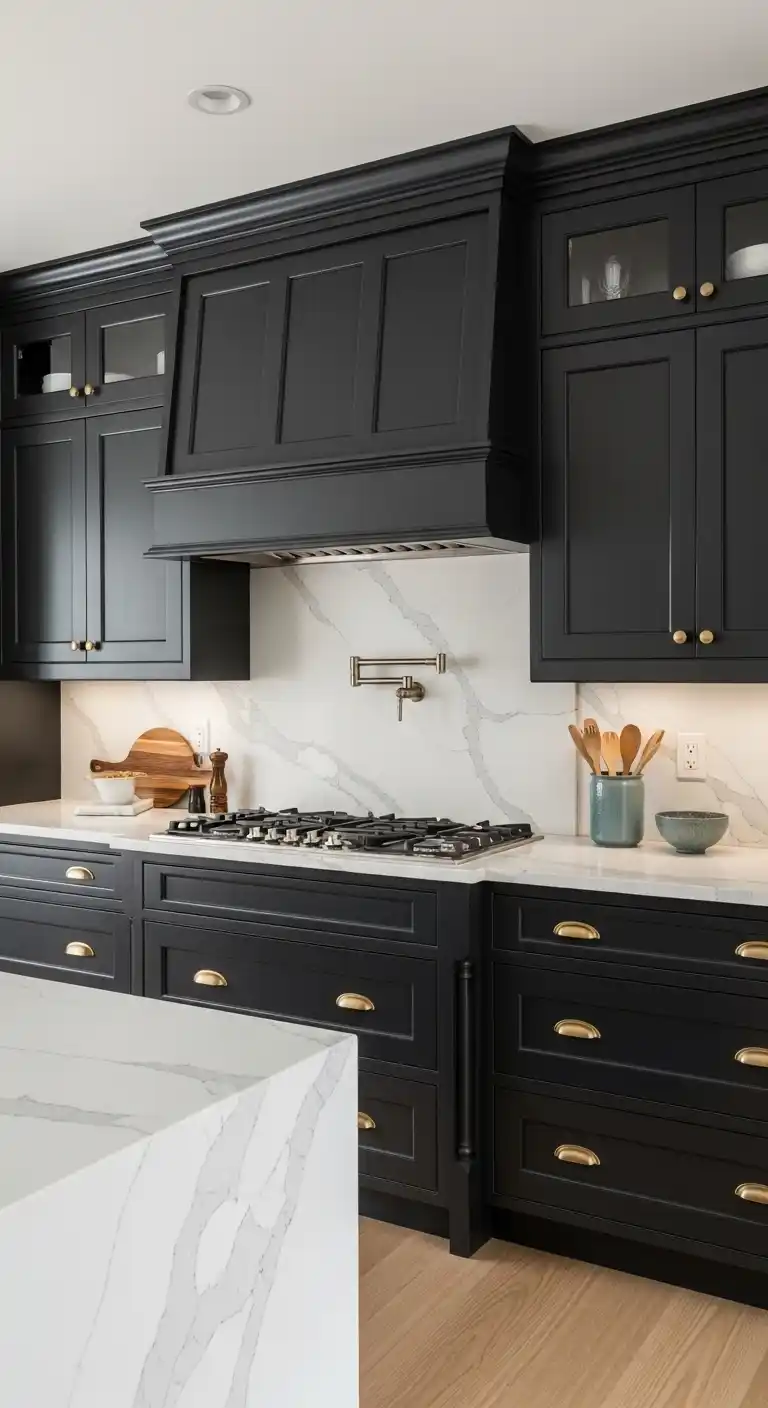
Contrasting countertops enhance moody kitchen cabinets by providing visual relief and highlighting the deep, dramatic tones of the cabinetry.
Light surfaces like white marble, pale quartz, or soft wood introduce balance, preventing the kitchen from feeling overly dark or heavy.
This combination emphasizes textures, color depth, and material finishes, creating a layered and sophisticated aesthetic throughout the space.
Contrasting countertops also offer practical advantages, such as easier maintenance visibility and a clearer delineation between work surfaces and cabinetry.
Homeowners can experiment with subtle color accents, patterns, or natural veining in countertops to complement the dramatic cabinetry without overpowering it.
By thoughtfully pairing moody cabinets with lighter surfaces, kitchens feel cohesive, luxurious, and visually dynamic, ensuring the design remains both functional and inspiring.
6. Moody Kitchen Cabinets and Statement Hardware
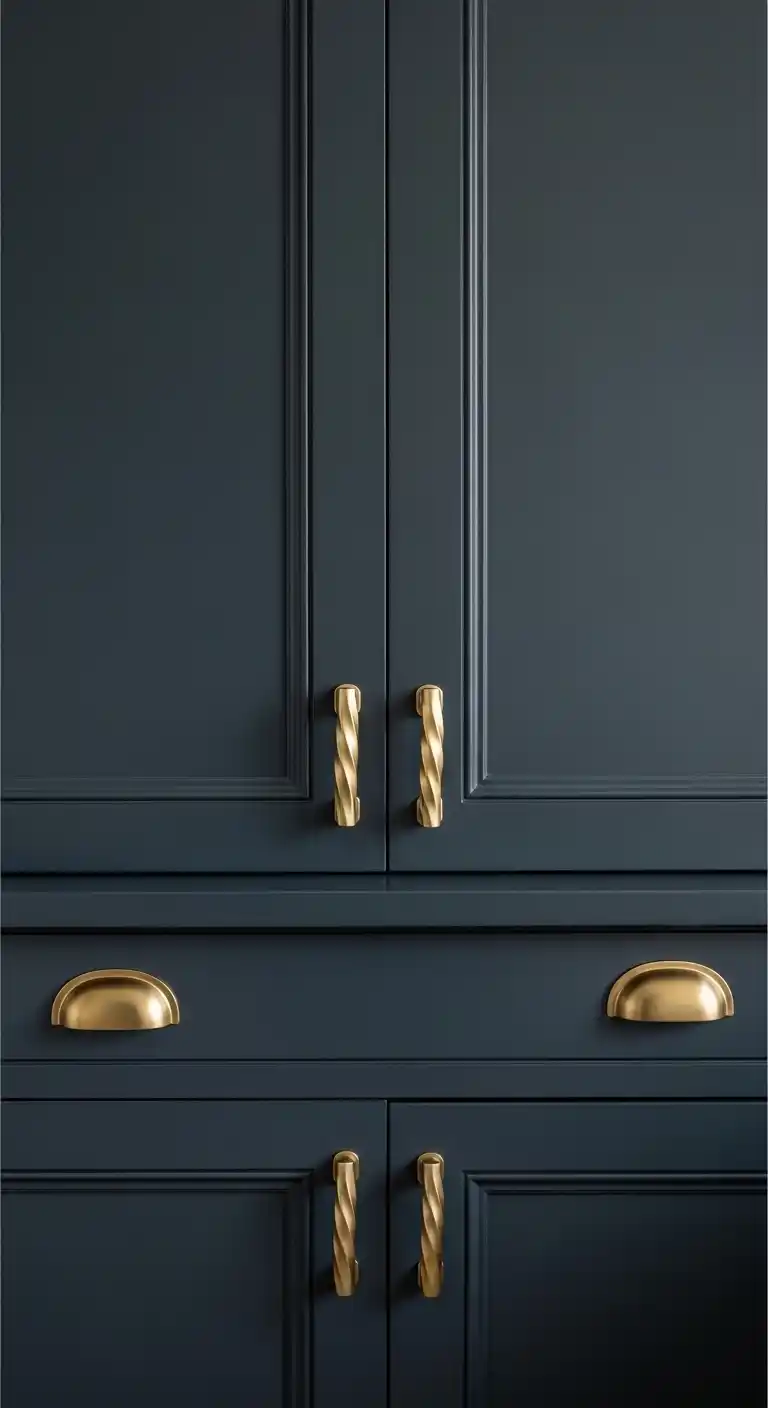
Statement hardware can completely transform moody kitchen cabinets, elevating deep tones while adding personality and visual interest.
Brass, matte black, or brushed nickel handles, knobs, and pulls complement rich colors like navy, charcoal, and forest green beautifully.
Oversized or uniquely shaped hardware can break monotony and serve as a decorative focal point, ensuring cabinets feel intentional rather than flat.
Strategic placement of knobs and pulls highlights symmetry, vertical lines, or geometric patterns, reinforcing a cohesive and stylish look throughout the kitchen.
Even small hardware changes, like swapping standard handles for artistic or sculptural designs, can dramatically enhance the overall elegance of moody cabinetry.
Pairing statement hardware with subtle countertop textures or lighting accents ensures the kitchen remains visually balanced, functional, and modern while still feeling luxurious.
7. Moody Kitchen Cabinets in Small Spaces
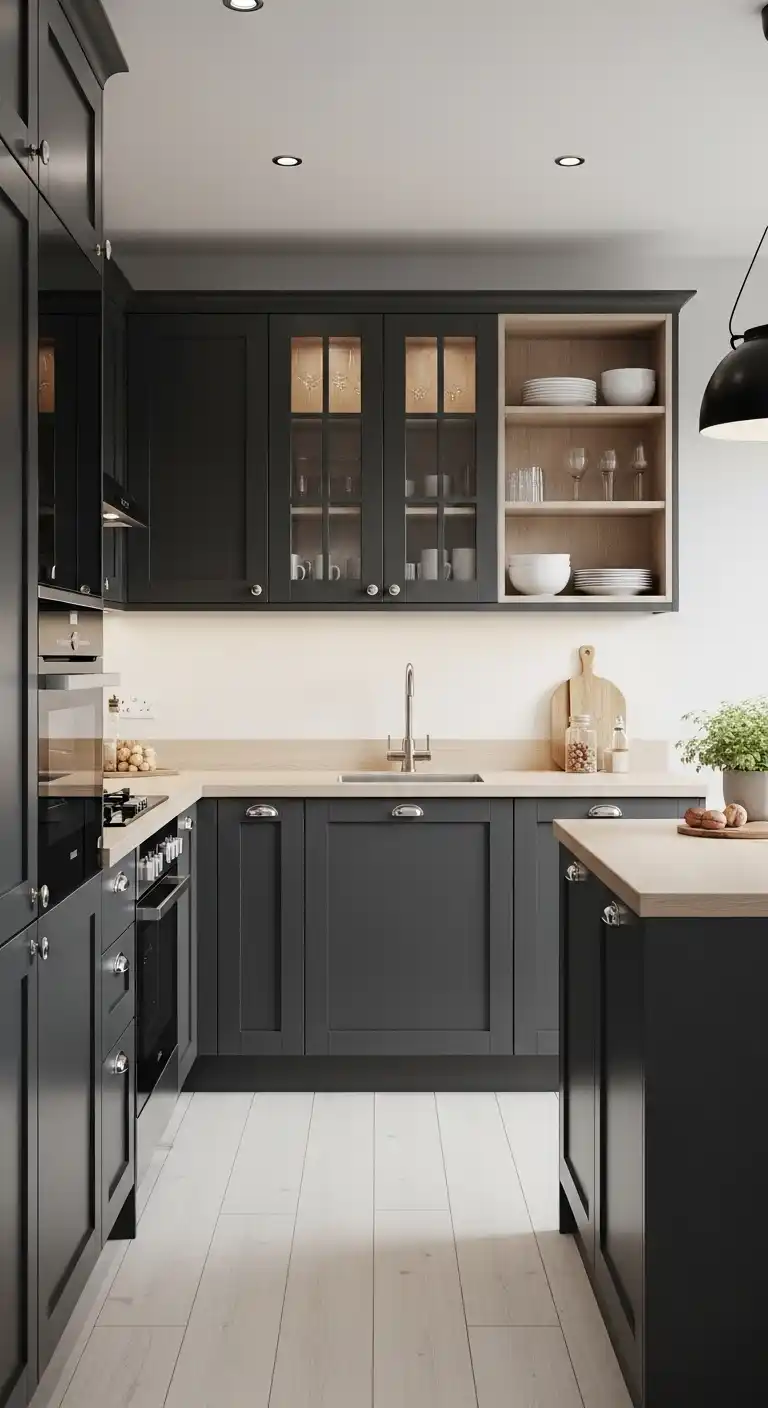
Moody kitchen cabinets can enhance small kitchens when designed carefully to avoid making the space feel cramped or oppressive.
Using reflective surfaces, ample natural light, and lighter flooring balances the visual weight of deep-colored cabinetry, keeping the space airy.
Homeowners may choose to apply moody tones only to base cabinets, islands, or specific accent walls to maintain openness while introducing drama.
Light-colored countertops, backsplashes, or open shelving help break the intensity, creating a balanced, layered aesthetic without compromising functionality.
Even compact kitchens can feel bold and sophisticated with moody cabinetry, demonstrating that size does not limit dramatic design choices.
Careful planning ensures that small kitchens remain organized, stylish, and visually striking while fully benefiting from the luxurious effect of deep-toned cabinets.
8. Moody Kitchen Cabinets with Textured Finishes
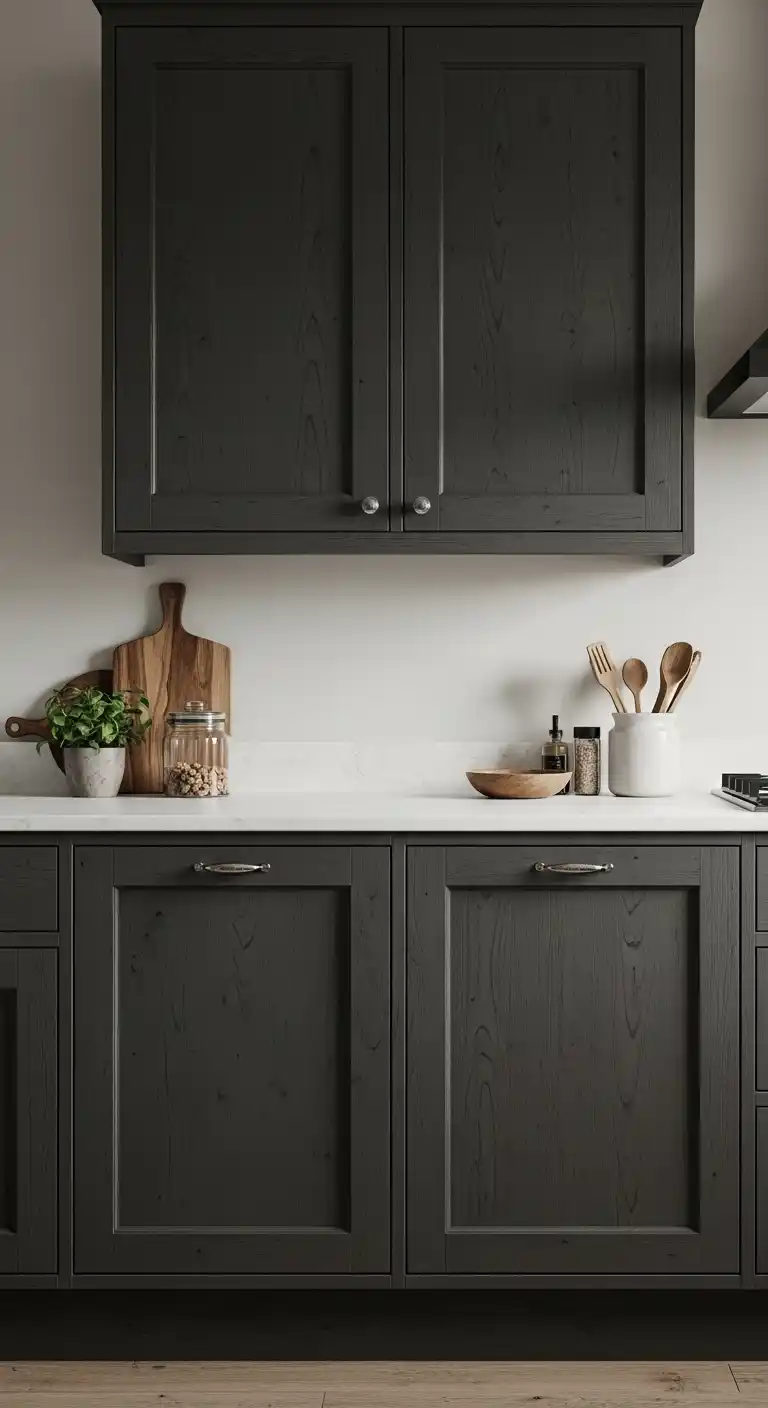
Textured finishes add depth and dimension to moody kitchen cabinets, preventing dark tones from appearing flat or monotonous.
Options like natural wood grain, matte lacquer, or subtle hand-painted surfaces enrich the cabinets with visual and tactile interest.
Pairing textured cabinetry with smooth countertops or backsplashes highlights the layers of design and emphasizes the richness of deep hues.
Texture also softens the boldness of moody tones, making kitchens feel inviting and thoughtfully designed rather than overly heavy or dramatic.
Additionally, subtle texture creates a handcrafted, artisanal feel, allowing homeowners to express personality and uniqueness while maintaining luxury.
This approach ensures that moody cabinets remain both visually striking and functional, balancing aesthetics with practicality for everyday kitchen use.
9. Moody Kitchen Cabinets and Natural Lighting
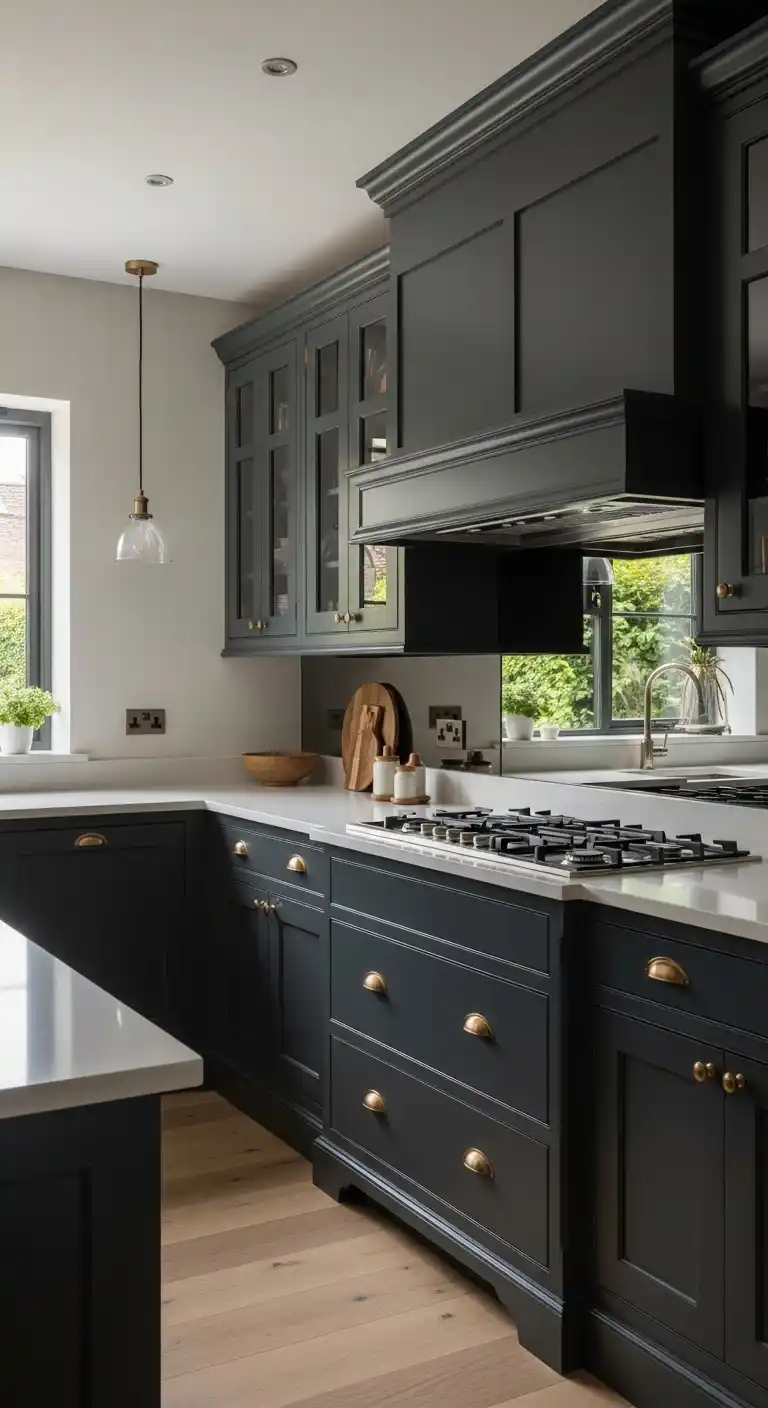
Natural light plays a crucial role in highlighting the beauty and richness of moody kitchen cabinets.
In bright kitchens, sunlight enhances color depth, emphasizing the subtle undertones of shades like deep green, navy, or charcoal.
Dimly lit kitchens may require additional task lighting or reflective surfaces to prevent dark cabinets from making the space feel gloomy.
Pendant lights, under-cabinet lighting, or reflective backsplashes can create the right ambiance, balancing drama and functionality.
Understanding the interplay between light and color ensures moody cabinetry feels warm, inviting, and dynamic rather than overwhelming.
Properly designed lighting allows moody kitchens to appear elegant, spacious, and welcoming, demonstrating that even deep tones can harmonize with natural light beautifully.
10. Combining Moody Cabinets with Colorful Backsplashes
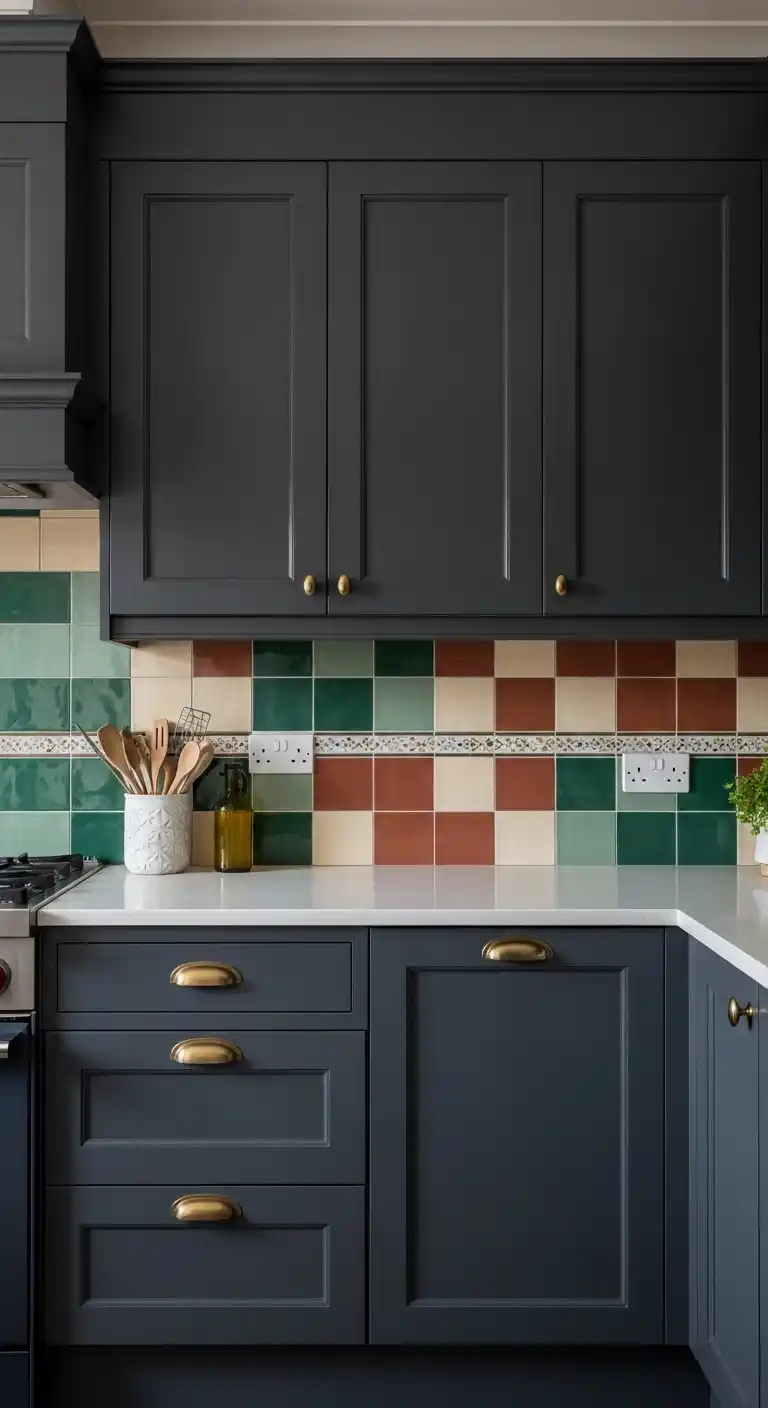
Colorful backsplashes bring additional personality and visual interest to moody kitchen cabinets without diminishing their elegance.
Patterns, subtle metallic accents, or bold colors like emerald, terracotta, or muted mustard contrast beautifully with deep tones such as navy or charcoal.
The key is balance: the backsplash should complement the cabinetry while enhancing the kitchen’s sophistication and cohesion.
Texture, gloss, or geometric patterns in backsplashes can reflect light and add depth, creating a dynamic yet harmonious visual experience.
Even small design elements, like a decorative tile border or subtle color variation, can dramatically enhance the overall style of the kitchen.
Pairing moody cabinets with the right backsplash ensures the space feels curated, inviting, and visually layered, combining boldness with elegance.
11. Moody Kitchen Cabinets in Multi-Functional Spaces
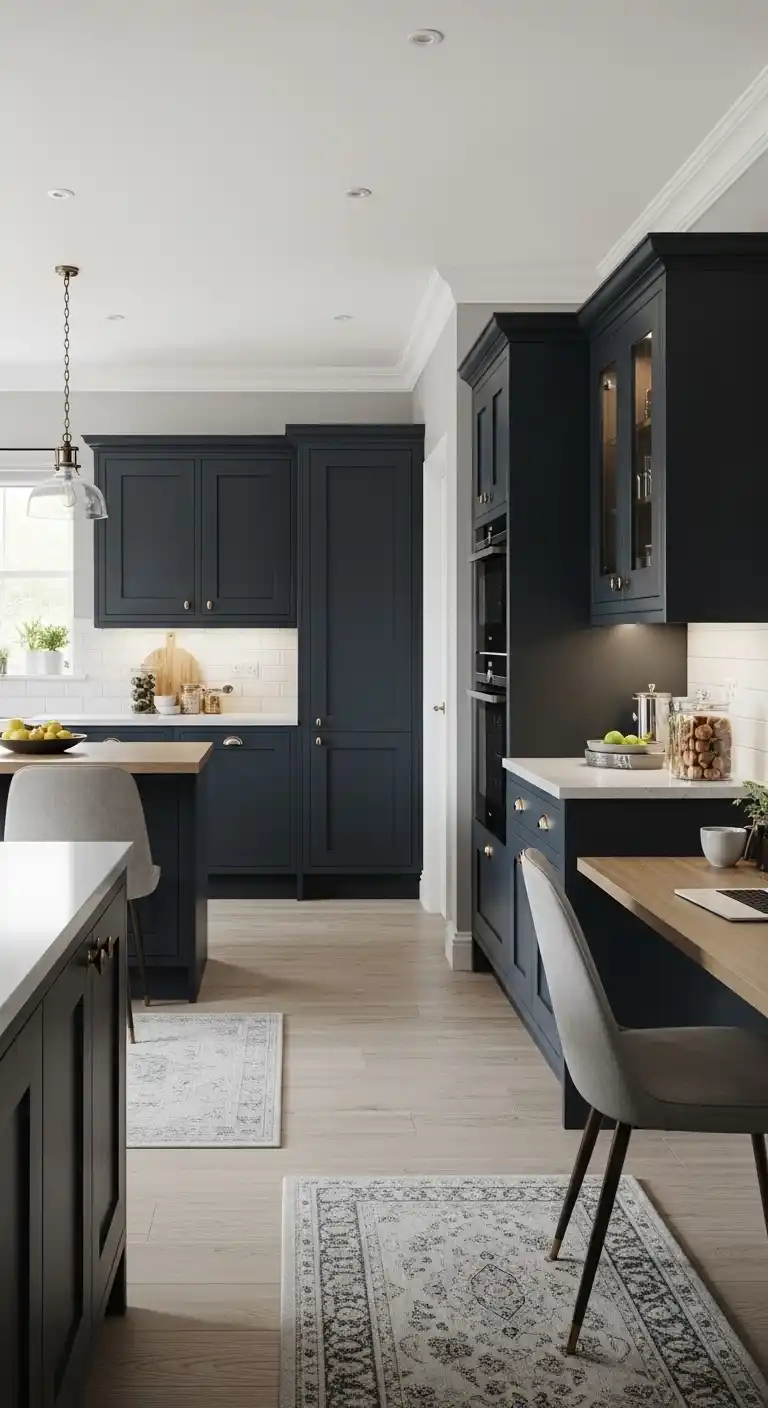
Moody kitchen cabinets work beautifully in kitchens that double as dining areas, home offices, or entertaining spaces, creating a cohesive design.
Deep tones like charcoal or navy anchor the room visually, defining zones without disrupting flow or functionality.
Pairing moody cabinetry with light countertops, soft flooring, and adequate lighting maintains balance while allowing the space to feel spacious and inviting.
Cabinetry provides storage solutions that support multiple activities, from cooking to working or hosting guests, while maintaining elegance.
Careful color coordination ensures that moody tones harmonize with furniture, décor, and accessories, elevating the overall aesthetic of a multifunctional kitchen.
Even in complex layouts, moody cabinets create a statement focal point while integrating seamlessly into a versatile, well-planned space.
12. Moody Kitchen Cabinets with Metallic Accents
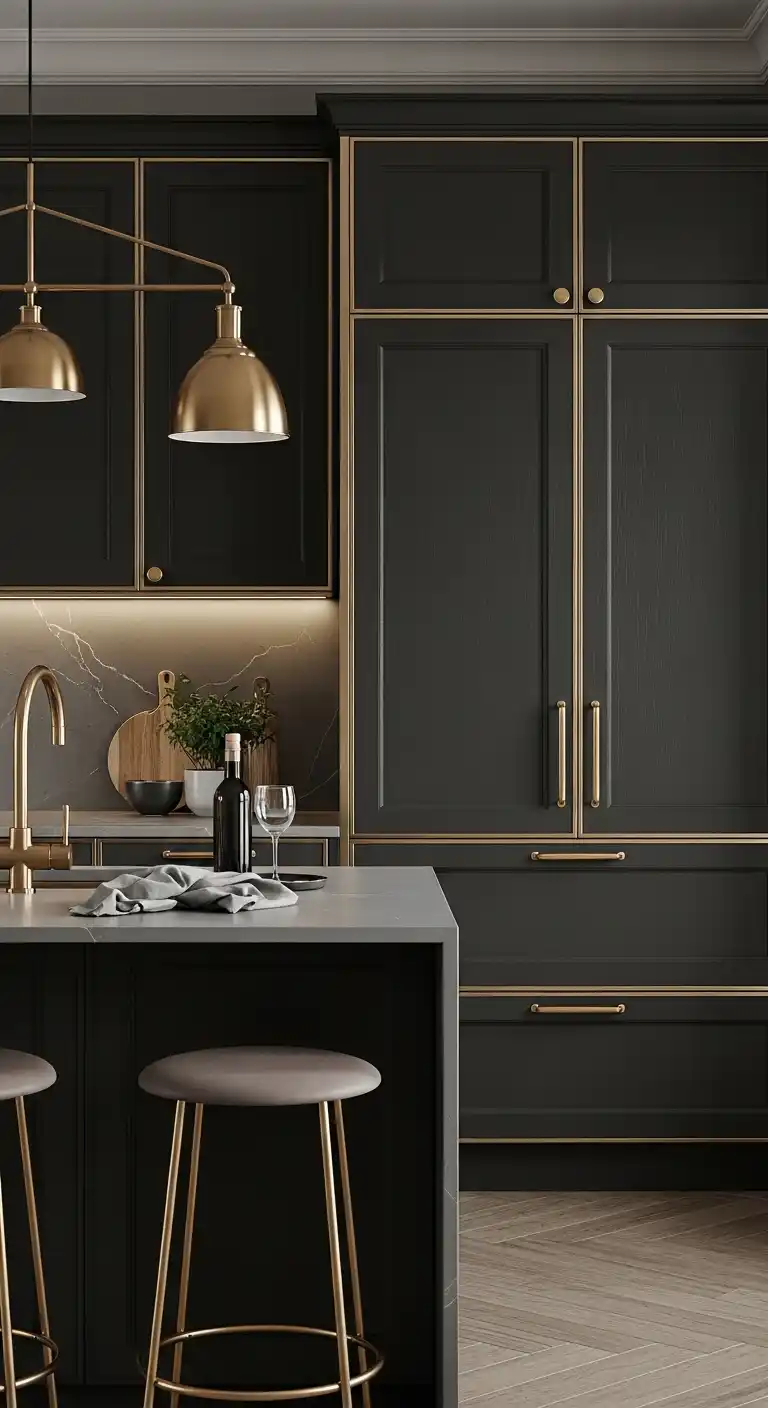
Adding metallic accents to moody kitchen cabinets enhances depth, richness, and luxury in any space.
Brass, gold, or brushed nickel fixtures contrast beautifully with deep-colored cabinetry, highlighting handles, knobs, and cabinet edges.
Metallic finishes also reflect light, preventing dark cabinets from appearing too heavy or flat, while adding sophistication and glamour.
Designers often combine metallic accents with textured or matte cabinet finishes for a layered, visually appealing effect.
Even small touches, like metallic edging, light fixtures, or bar stools, can elevate the dramatic impact of moody kitchen cabinetry.
This approach creates an elegant, cohesive environment, balancing bold cabinet tones with subtle reflective details for maximum visual interest.
13. Moody Kitchen Cabinets and Integrated Appliances
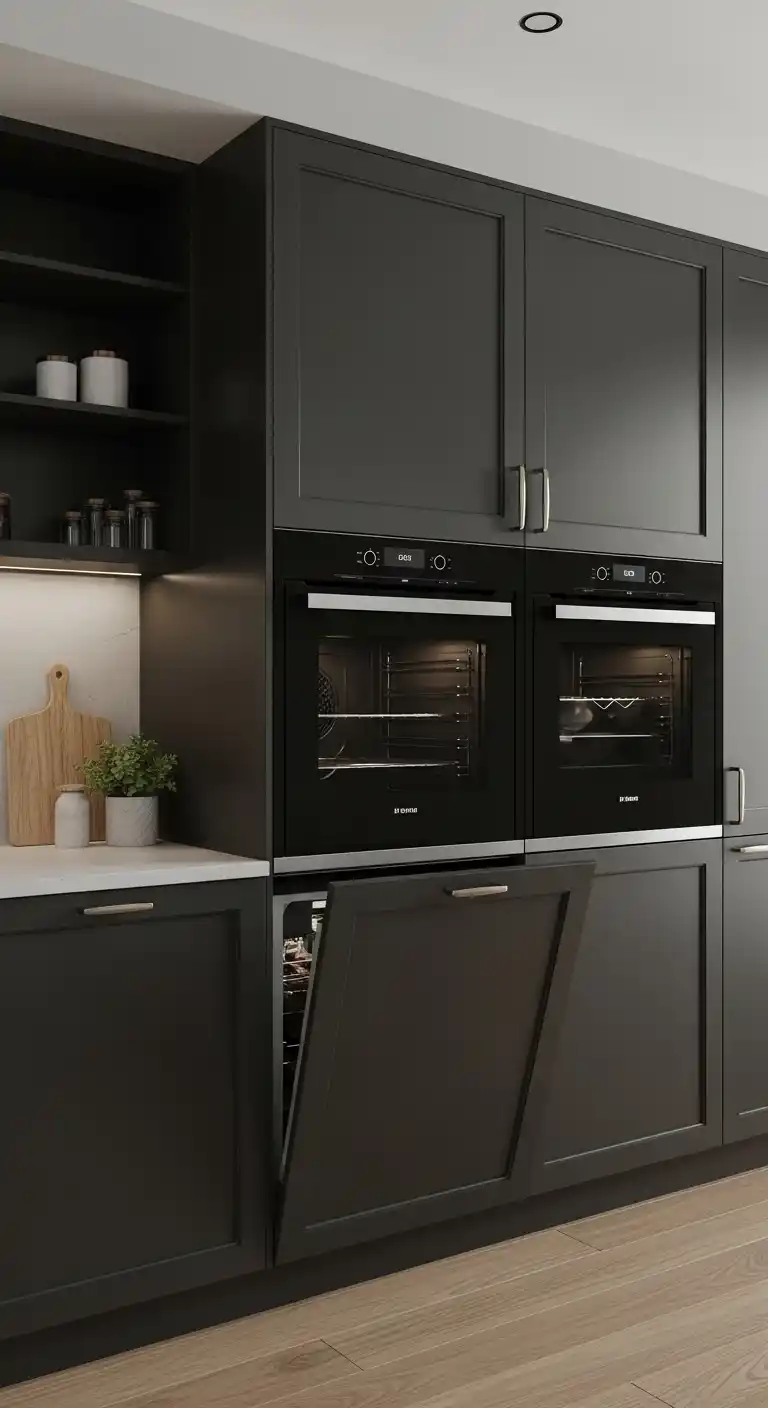
Integrated appliances blend seamlessly into moody kitchen cabinets, maintaining a sleek, uncluttered aesthetic.
Panel-ready refrigerators, dishwashers, and ovens create uniformity, allowing deep cabinet tones to remain the visual focal point.
This approach enhances the luxury feel of moody cabinetry while ensuring functionality and convenience in everyday kitchen use.
Dark cabinet colors pair especially well with stainless steel or black appliances, creating contrast without disrupting cohesion.
Designers often integrate hidden handles or touch-to-open mechanisms to further emphasize clean lines and uninterrupted surfaces.
Integrated appliances with moody cabinets create a contemporary, polished kitchen that feels both stylish and practical for modern living.
14. Moody Kitchen Cabinets with Light Wood Accents
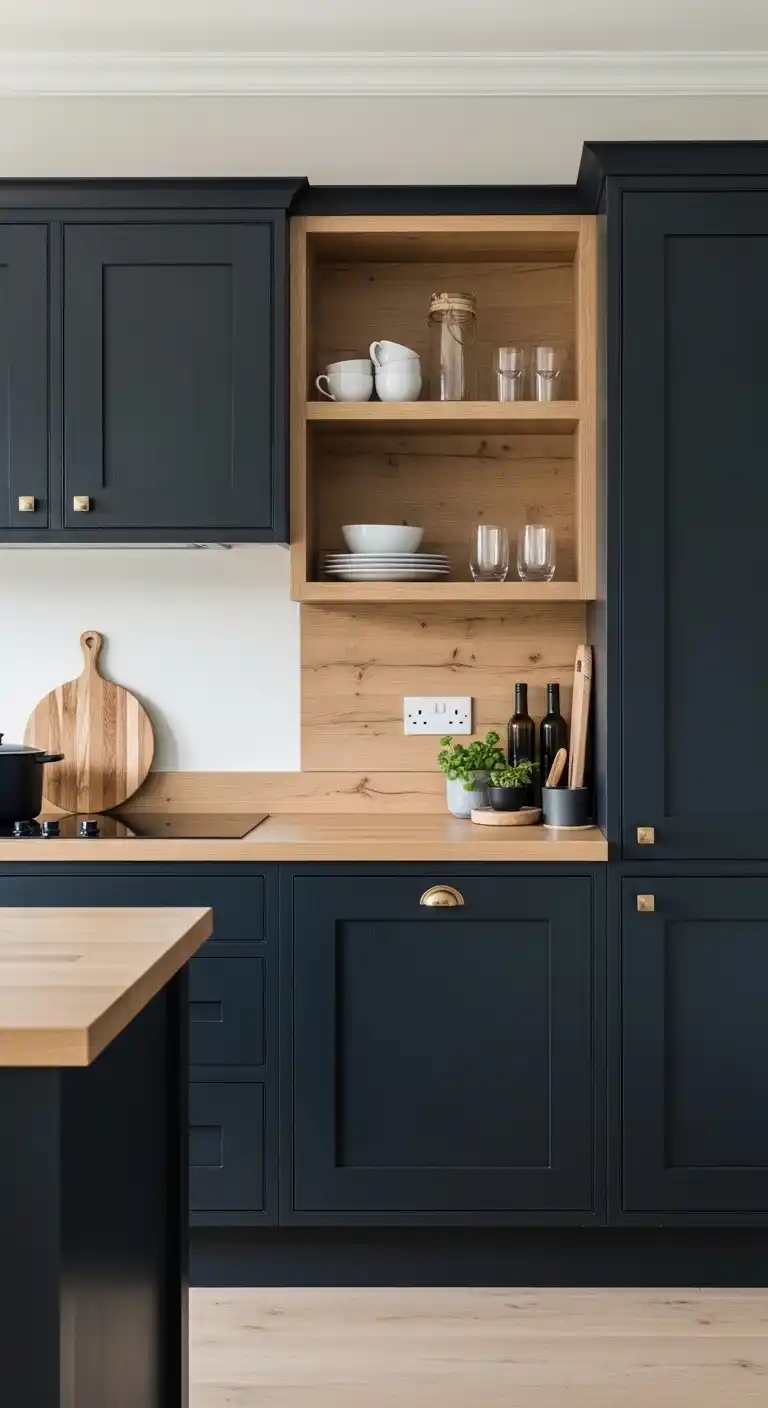
Incorporating light wood accents softens the intensity of moody kitchen cabinets, creating warmth and visual balance.
Wooden shelving, countertops, or furniture pieces complement deep tones like navy or charcoal while preventing the space from feeling heavy.
The natural textures of light wood introduce depth, layering, and a sense of coziness without diminishing elegance.
Pairing wood with matte or textured moody cabinetry enhances contrast while maintaining a cohesive and inviting aesthetic.
This combination works well in both classic and contemporary kitchens, highlighting the richness of dark tones while adding an approachable, organic feel.
Light wood accents make moody cabinets feel balanced, livable, and stylish, ensuring the kitchen remains a comfortable, functional space.
15. Moody Kitchen Cabinets and Two-Tone Designs
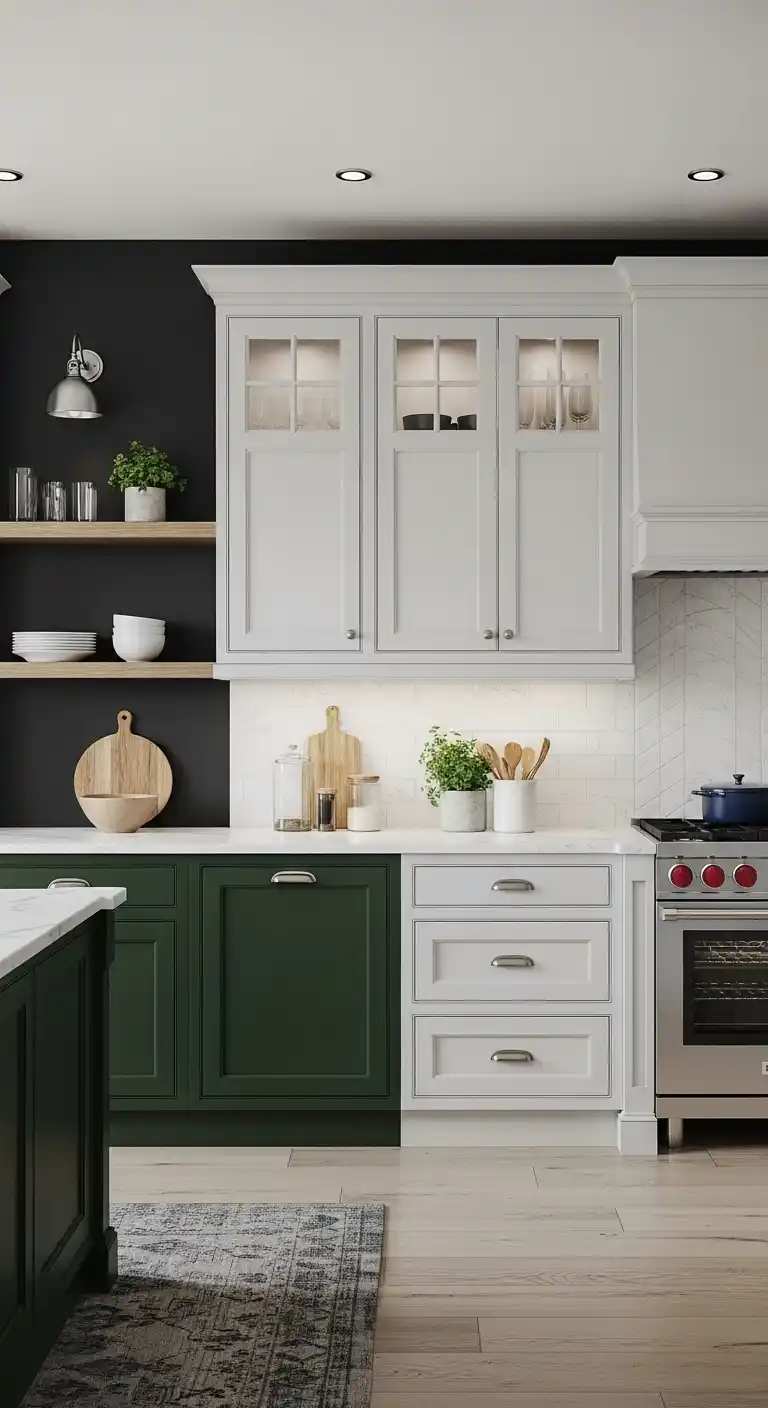
Two-tone designs combine moody kitchen cabinets with lighter cabinetry to create contrast and visual interest in the kitchen.
For example, pairing deep green base cabinets with white or light gray upper cabinets adds balance and sophistication.
Two-tone designs allow homeowners to embrace bold colors without overwhelming the space, maintaining harmony in layout and flow.
This approach highlights architectural features, like islands, shelving, or cabinetry trim, creating a dynamic and layered aesthetic.
Designers often use metallic or contrasting hardware to further emphasize the separation between tones, enhancing depth and personality.
Two-tone moody cabinets offer flexibility, balance, and creativity, making kitchens feel both dramatic and approachable simultaneously.
16. Moody Kitchen Cabinets with Bold Backsplash Patterns
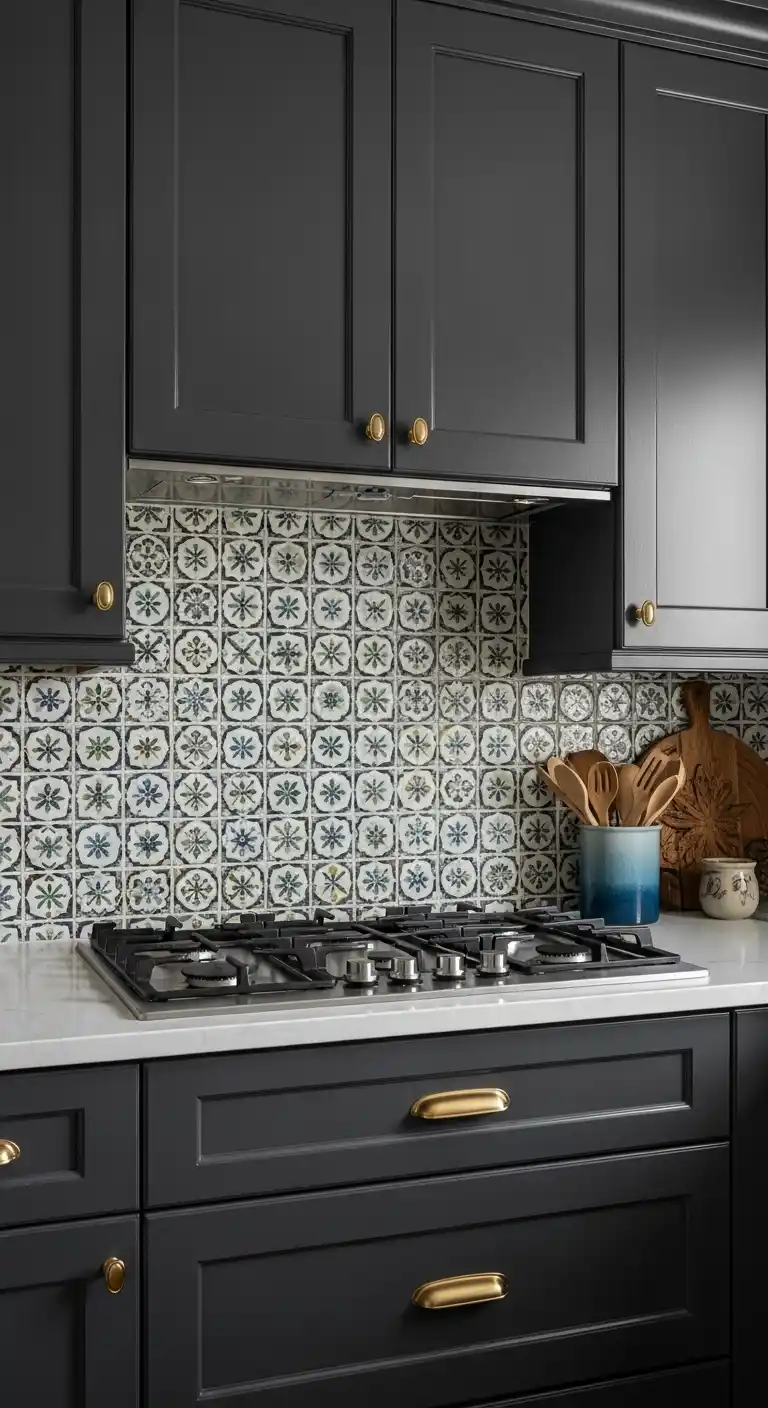
Bold backsplash patterns add character to moody kitchen cabinets, creating a dynamic interplay between dark tones and decorative details.
Geometric tiles, vibrant mosaics, or patterned ceramics draw attention to the wall while complementing deep cabinetry colors.
The backsplash becomes a statement element, balancing the intensity of moody cabinets and preventing visual monotony.
Designers often select complementary colors or subtle metallic tones in patterns to harmonize with cabinetry without clashing.
In addition to aesthetics, bold backsplashes are practical, protecting walls and making cleaning easier while adding personality to the kitchen.
Combining patterned backsplashes with moody cabinets creates a kitchen that is both functional and visually captivating.
17. Moody Kitchen Cabinets in Small Open-Plan Kitchens
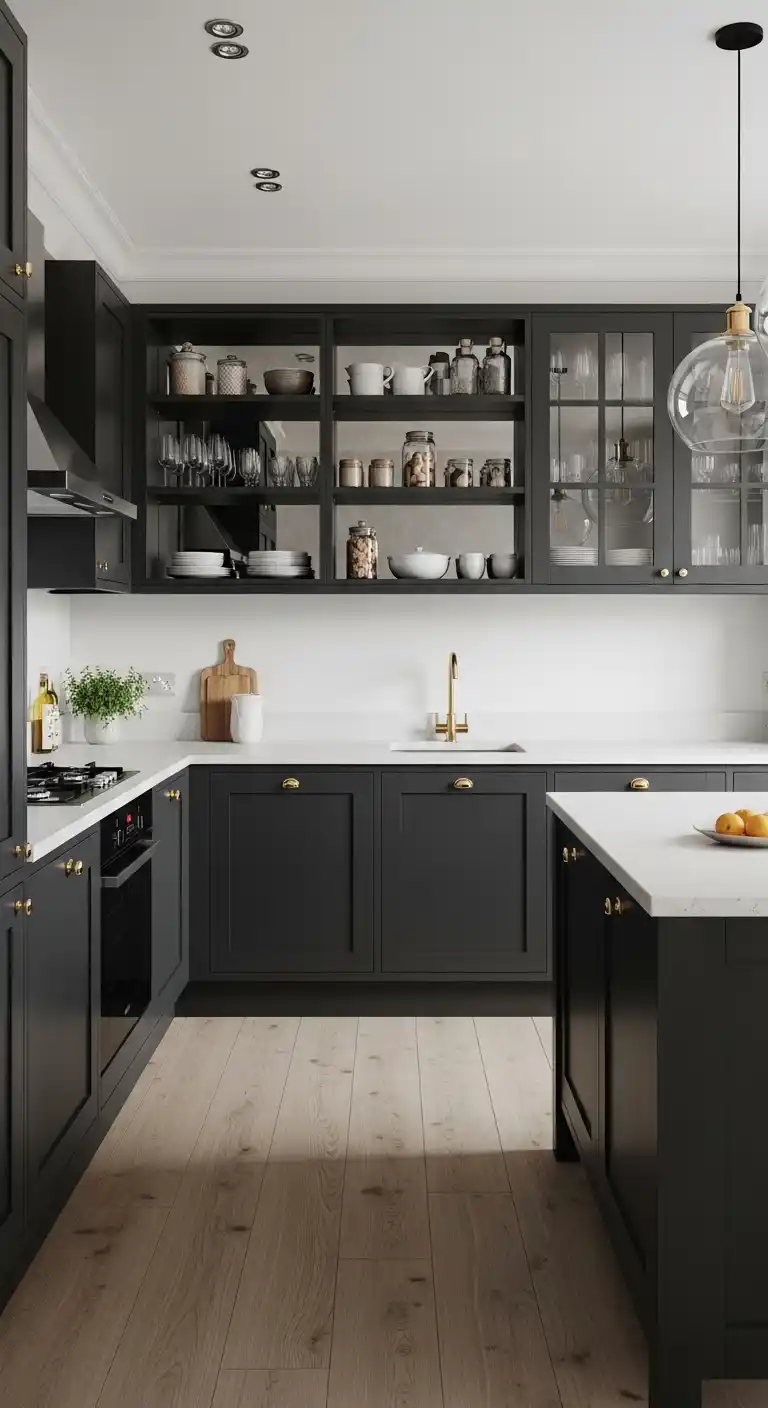
Moody kitchen cabinets can anchor small open-plan kitchens, creating defined spaces without visually closing them off.
Deep cabinet tones, paired with reflective surfaces, light countertops, and adequate lighting, maintain openness and balance.
Designers often recommend limiting dark tones to base cabinets or islands to prevent the kitchen from feeling heavy.
Open shelving, glass-front cabinets, or mirrors further enhance the perception of space while maintaining the drama of moody cabinetry.
This approach allows homeowners to incorporate rich colors and bold design choices even in compact layouts.
With careful planning, small open-plan kitchens can feel stylish, functional, and visually striking using moody cabinets as focal points.
18. Moody Kitchen Cabinets with Glass-Front Doors
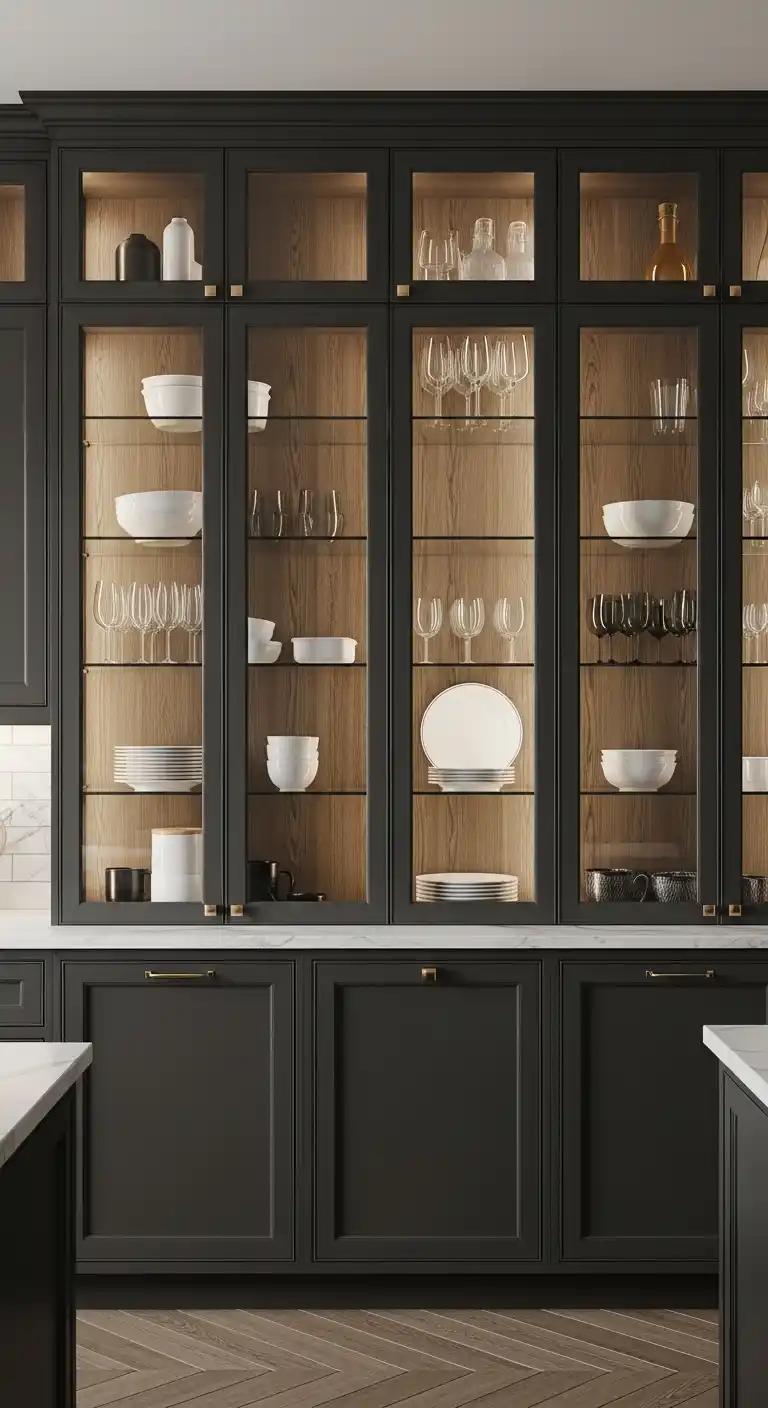
Glass-front doors introduce transparency and visual layering to moody kitchen cabinets, softening the intensity of dark finishes.
Display shelves or cabinets behind glass allow homeowners to showcase dishware, cookbooks, or decorative items, adding personality and interest.
Lighting behind glass-front doors enhances depth, creating a warm and inviting glow that highlights the richness of deep tones.
Glass-front cabinetry also balances heavy colors, making kitchens feel lighter, more open, and approachable.
Designers often pair dark frames with clear or frosted glass to maintain elegance while incorporating functional display areas.
Glass-front doors turn moody cabinets into statement pieces that combine bold color with sophistication and practicality.
19. Moody Kitchen Cabinets with Statement Islands
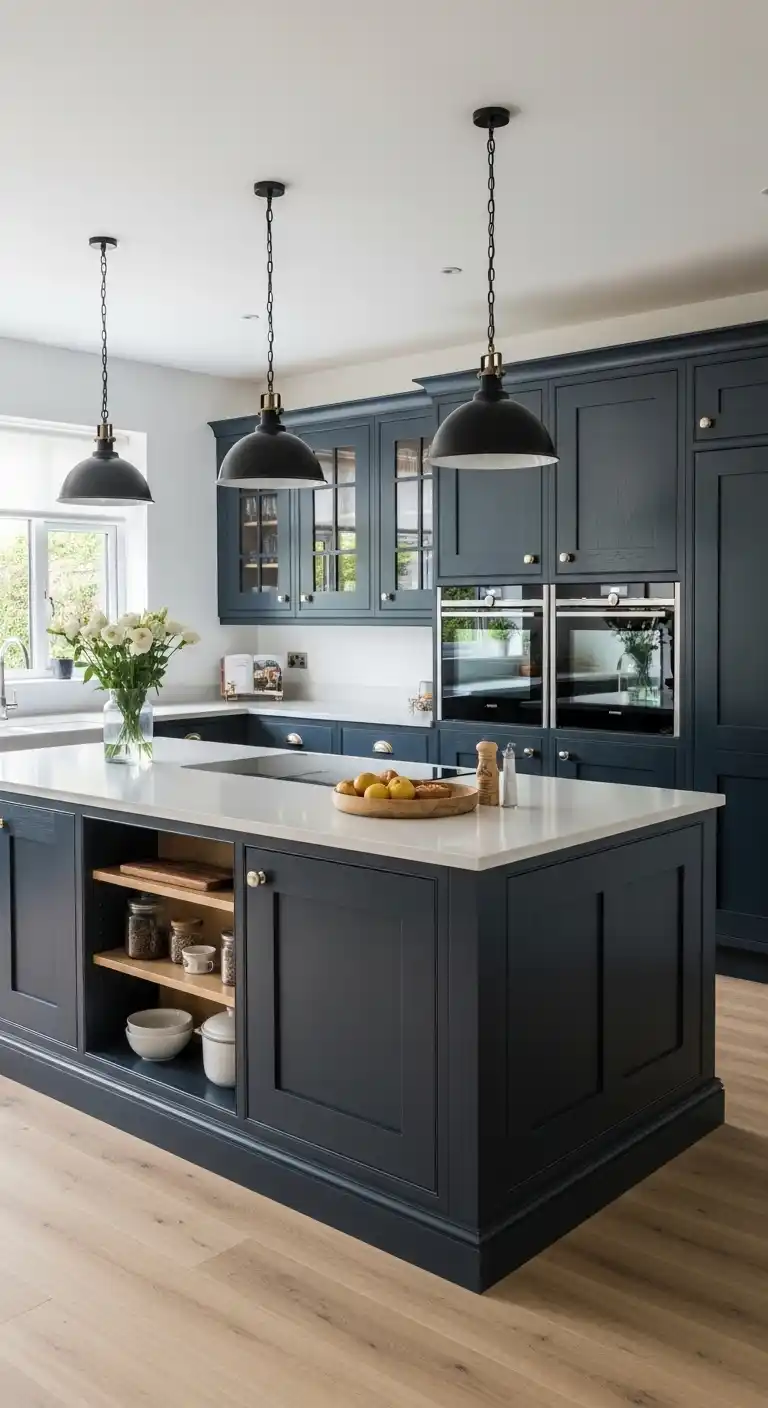
A statement island featuring moody kitchen cabinets can serve as the focal point of any kitchen.
Deep tones like navy or charcoal contrast beautifully with light countertops, flooring, and surrounding cabinetry.
Island design may include open shelving, additional storage, or built-in appliances, creating both functional and aesthetic appeal.
Pendant lighting above the island enhances color depth, texture, and ambiance, emphasizing the cabinetry’s bold personality.
This strategy works for both large and small kitchens, providing a centerpiece that draws attention while maintaining balance with the overall layout.
A moody island creates drama, style, and functionality, demonstrating the versatility of dark cabinetry in modern kitchen design.
20. Moody Kitchen Cabinets with Minimalist Hardware
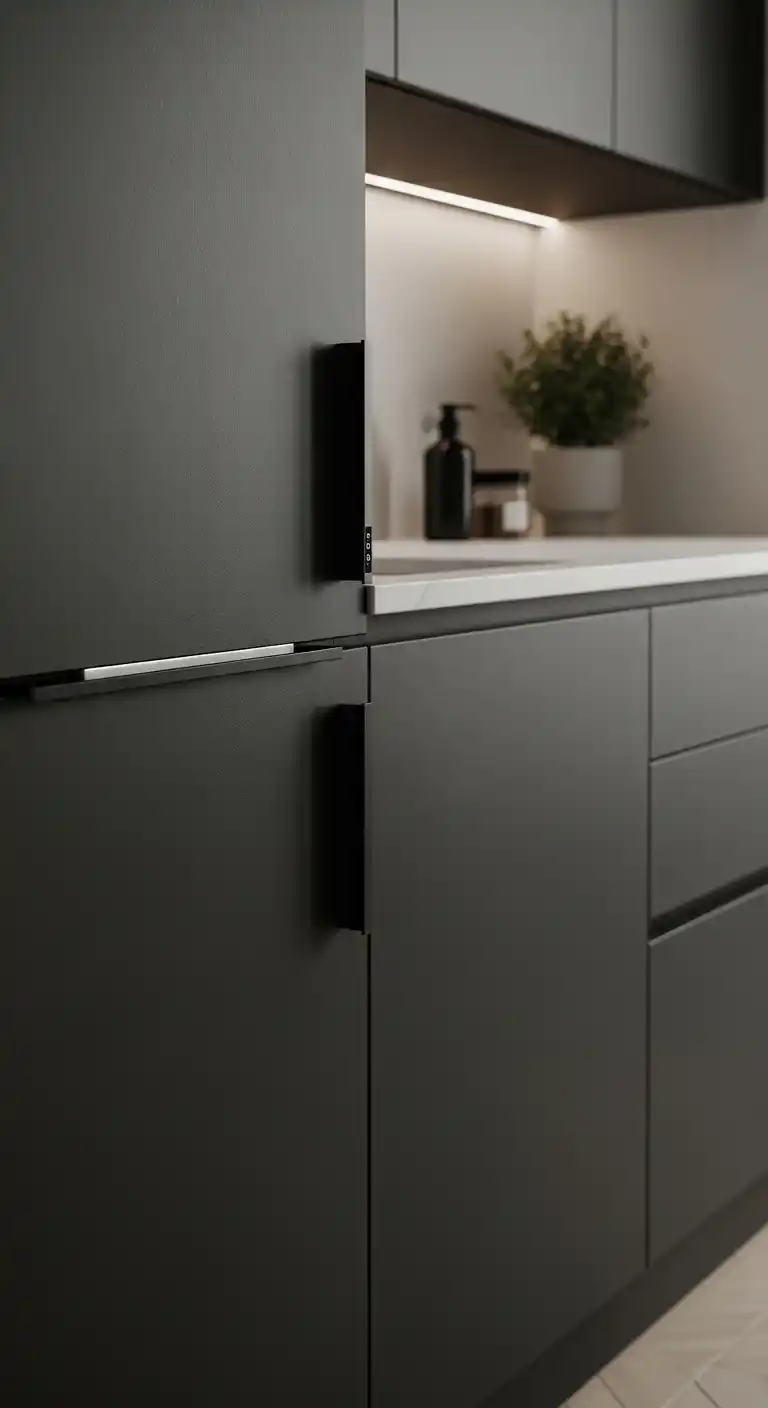
Minimalist hardware enhances moody kitchen cabinets by keeping the focus on color, texture, and cabinet design rather than decorative elements.
Handleless doors, slim pulls, or touch-to-open mechanisms allow cabinetry to appear sleek and uninterrupted.
This approach works especially well in contemporary or minimalist kitchens, emphasizing clean lines and open space while maintaining drama.
Pairing subtle hardware with matte or textured finishes allows light and shadow to define cabinet edges, enhancing the visual impact of deep tones.
Minimalist hardware also simplifies maintenance, reducing areas for dust and grime while supporting functionality.
Even with understated details, moody cabinets remain the central feature, combining elegance, drama, and practicality seamlessly.
21. Moody Kitchen Cabinets with Open Concept Dining Areas
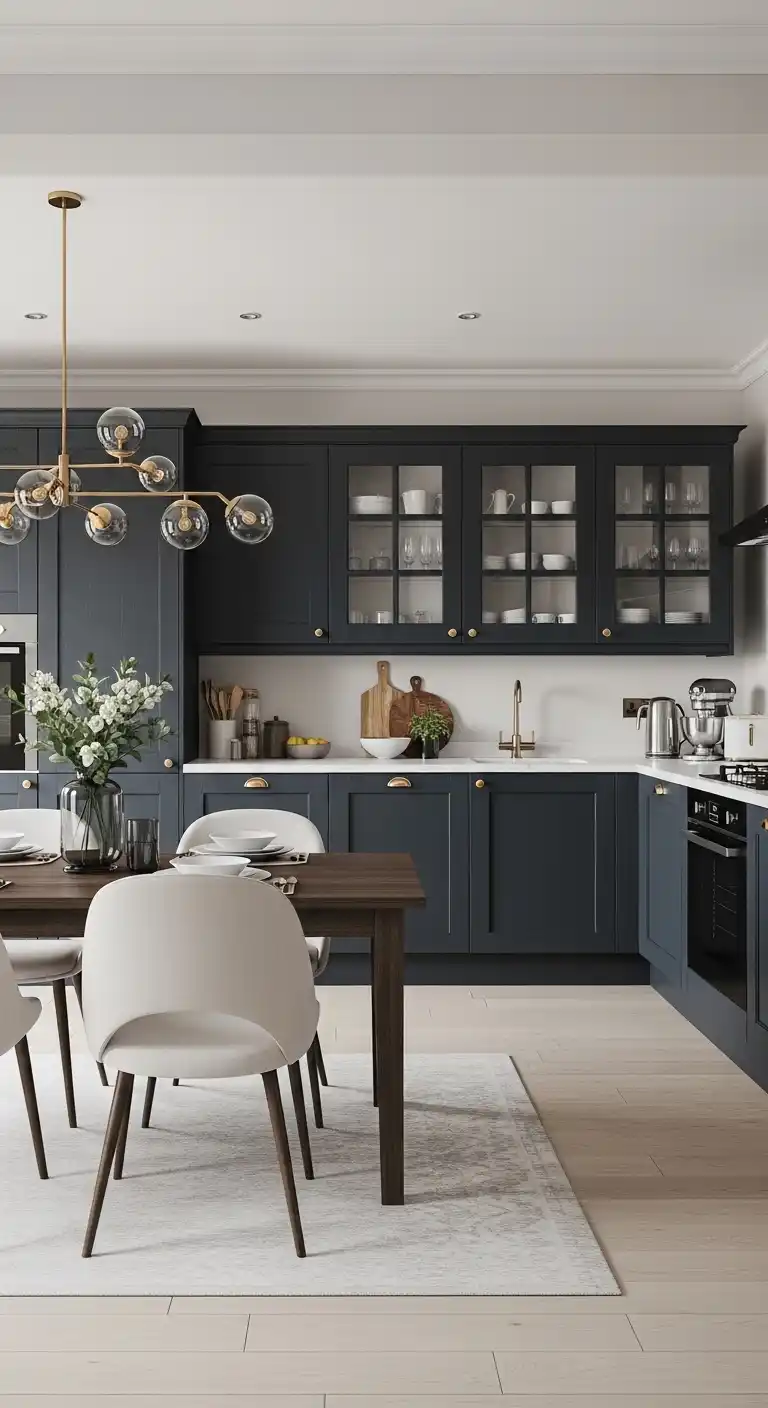
In kitchens that open directly to dining areas, moody kitchen cabinets create a bold transition between spaces while maintaining cohesion.
Deep tones like navy, charcoal, or forest green provide a dramatic anchor, visually separating the kitchen from the dining zone without walls.
Pairing the cabinets with light-colored dining furniture, soft flooring, and metallic accents ensures balance and prevents the space from feeling heavy.
Lighting plays a crucial role, highlighting cabinetry depth and creating a warm, inviting atmosphere for both cooking and entertaining.
Moody cabinets in open-concept layouts offer both functionality and style, allowing homeowners to create seamless, luxurious spaces that feel intentional and cohesive.
This design strategy allows the kitchen to remain a focal point while supporting comfortable and visually harmonious dining experiences.
22. Moody Kitchen Cabinets with Statement Lighting
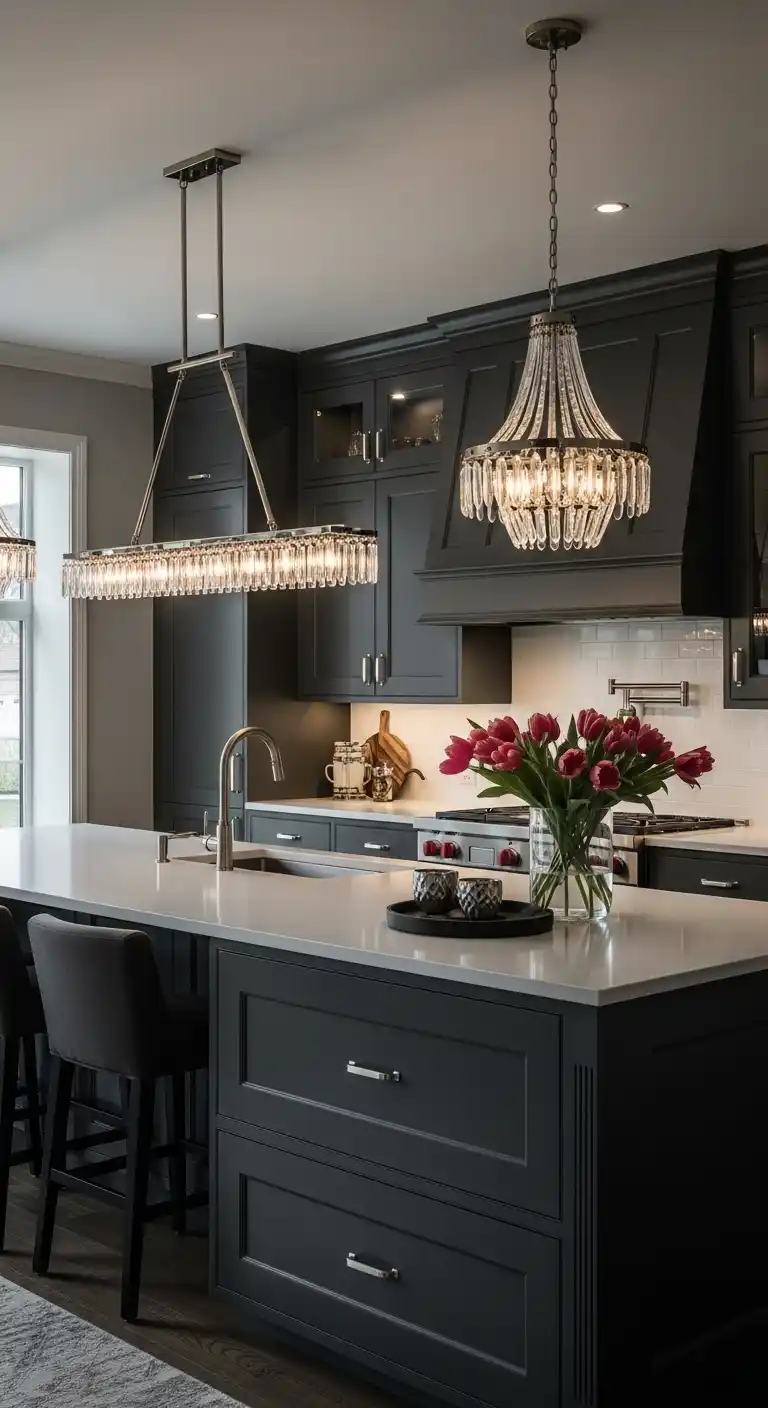
Statement lighting elevates moody kitchen cabinets, emphasizing depth, color, and overall drama in the room.
Pendant lights, chandeliers, or modern linear fixtures above islands or counters draw attention to the cabinetry’s rich tones and textures.
Metallic finishes or glass elements in lighting fixtures can reflect light, enhancing dark cabinet finishes without overpowering the space.
Lighting also helps balance moody colors, ensuring kitchens feel inviting rather than heavy or dim, even in areas with limited natural light.
In addition to aesthetics, functional lighting ensures task areas remain practical, combining elegance with usability.
Integrating statement lighting with moody cabinetry transforms kitchens into visually striking and highly functional spaces, emphasizing both style and comfort.
23. Moody Kitchen Cabinets with Neutral Accents
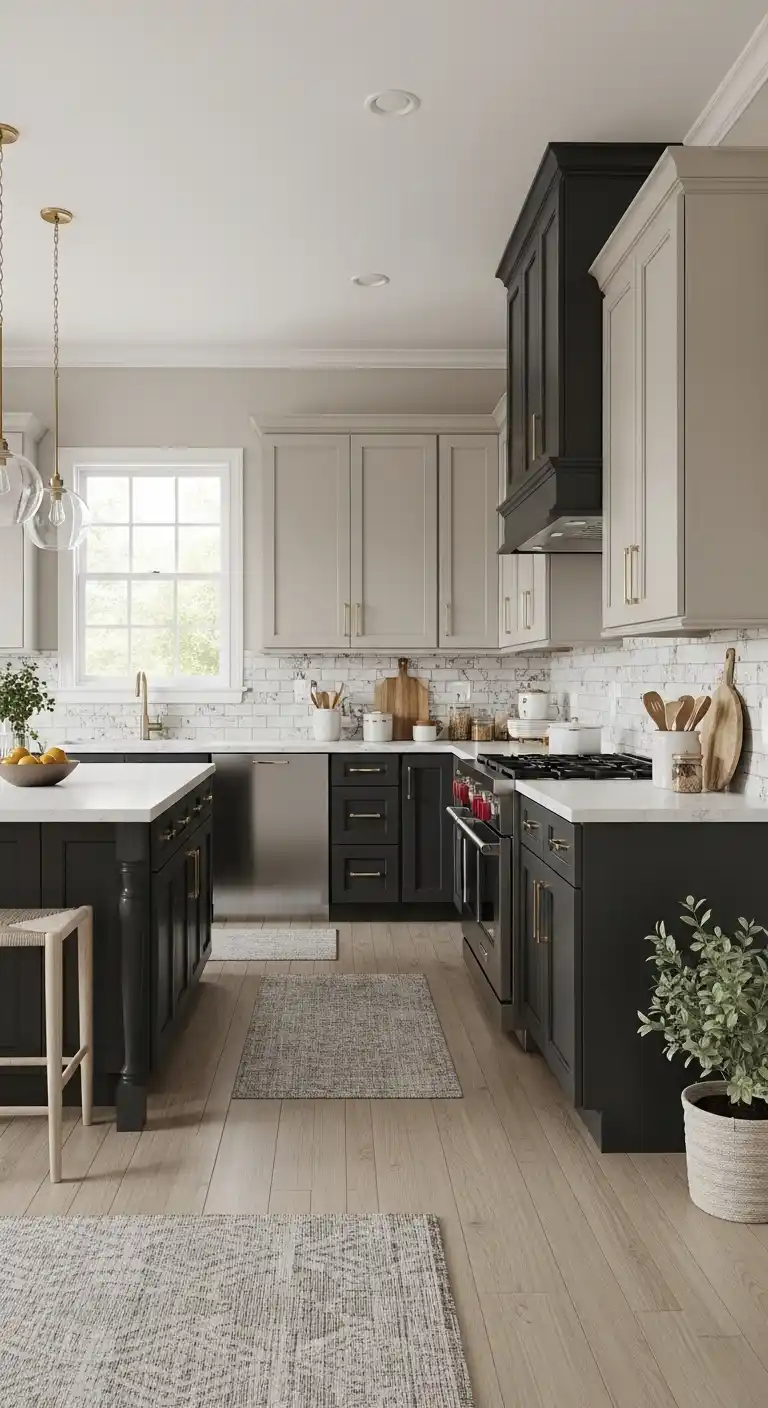
Neutral accents complement moody kitchen cabinets by softening deep colors while preserving elegance and sophistication.
White, beige, or light gray countertops, walls, and flooring create contrast, highlighting the cabinetry without diminishing its dramatic effect.
Subtle neutral décor, such as rugs, chairs, or window treatments, enhances balance and prevents the space from feeling visually heavy.
Neutral accents also allow homeowners to experiment with metallic hardware, textured surfaces, or colorful backsplashes without clashing.
This combination provides a versatile, timeless look, ensuring moody cabinets remain the centerpiece while the overall kitchen feels welcoming and cohesive.
Pairing dark cabinetry with neutral accents strikes the perfect balance between boldness and approachability, making the space functional and stylish.
24. Moody Kitchen Cabinets with Integrated Storage Solutions
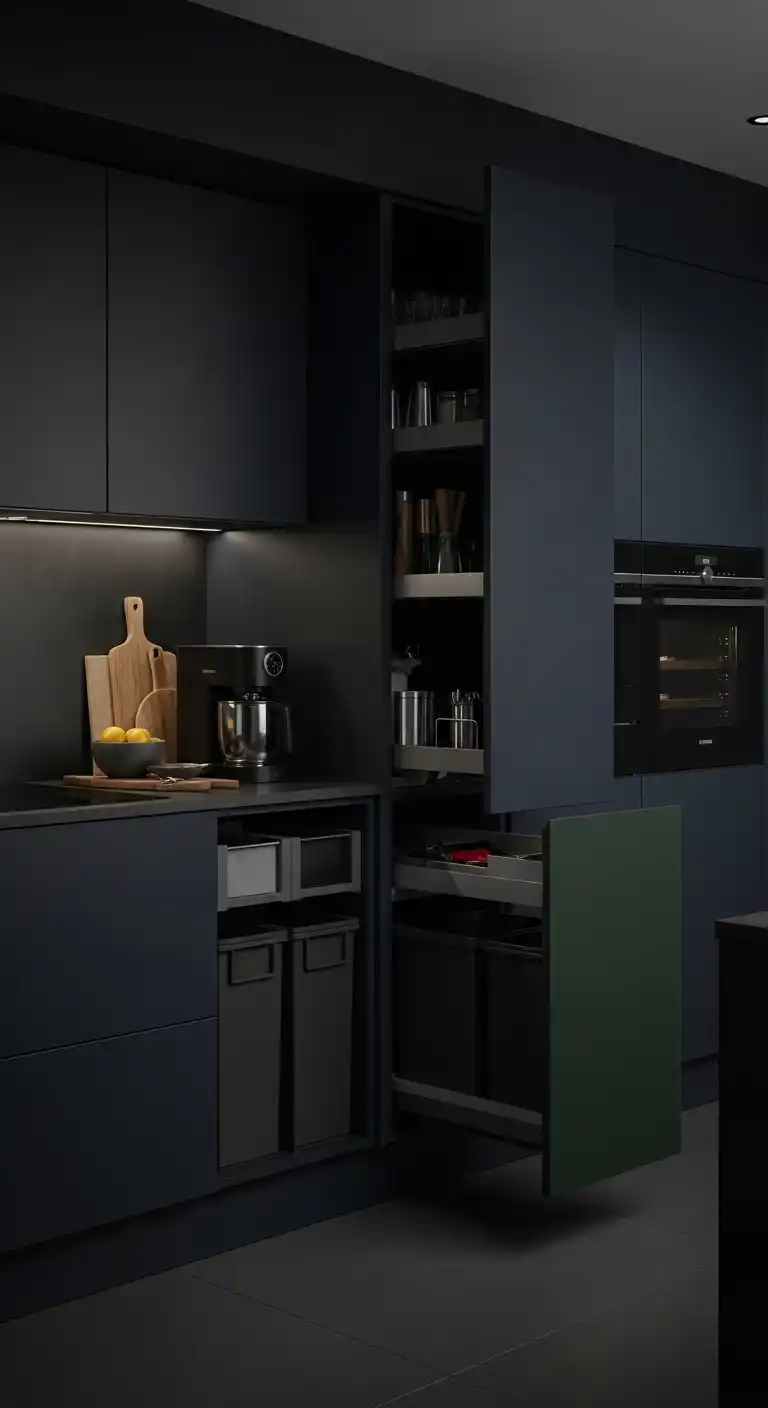
Deep-toned cabinets can conceal clever storage solutions, keeping kitchens organized and visually uncluttered.
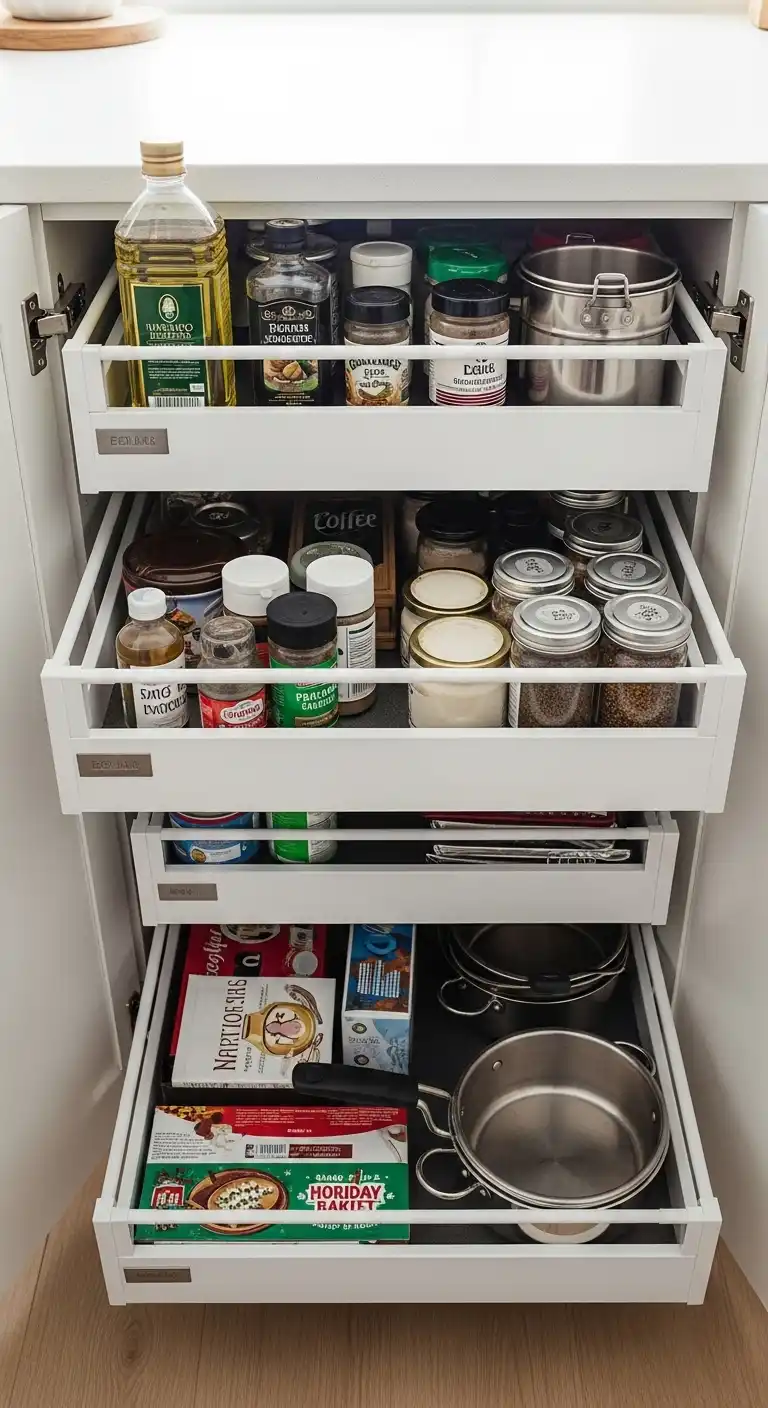
Pull-out drawers, corner carousels, and built-in pantry compartments maximize space while maintaining clean lines and bold aesthetics.
Moody colors emphasize the cabinetry as the focal point while storage innovations improve functionality without compromising design.
Designers often hide appliances, bins, or small tools within cabinetry, maintaining the dramatic impact of deep tones without visual distractions.
Integrated storage paired with moody cabinets is ideal for families, entertainers, or minimalists seeking both style and practicality.
By combining dark finishes with thoughtful storage planning, kitchens become luxurious, functional, and efficient spaces that balance form and purpose.
25. Moody Kitchen Cabinets for Timeless Elegance
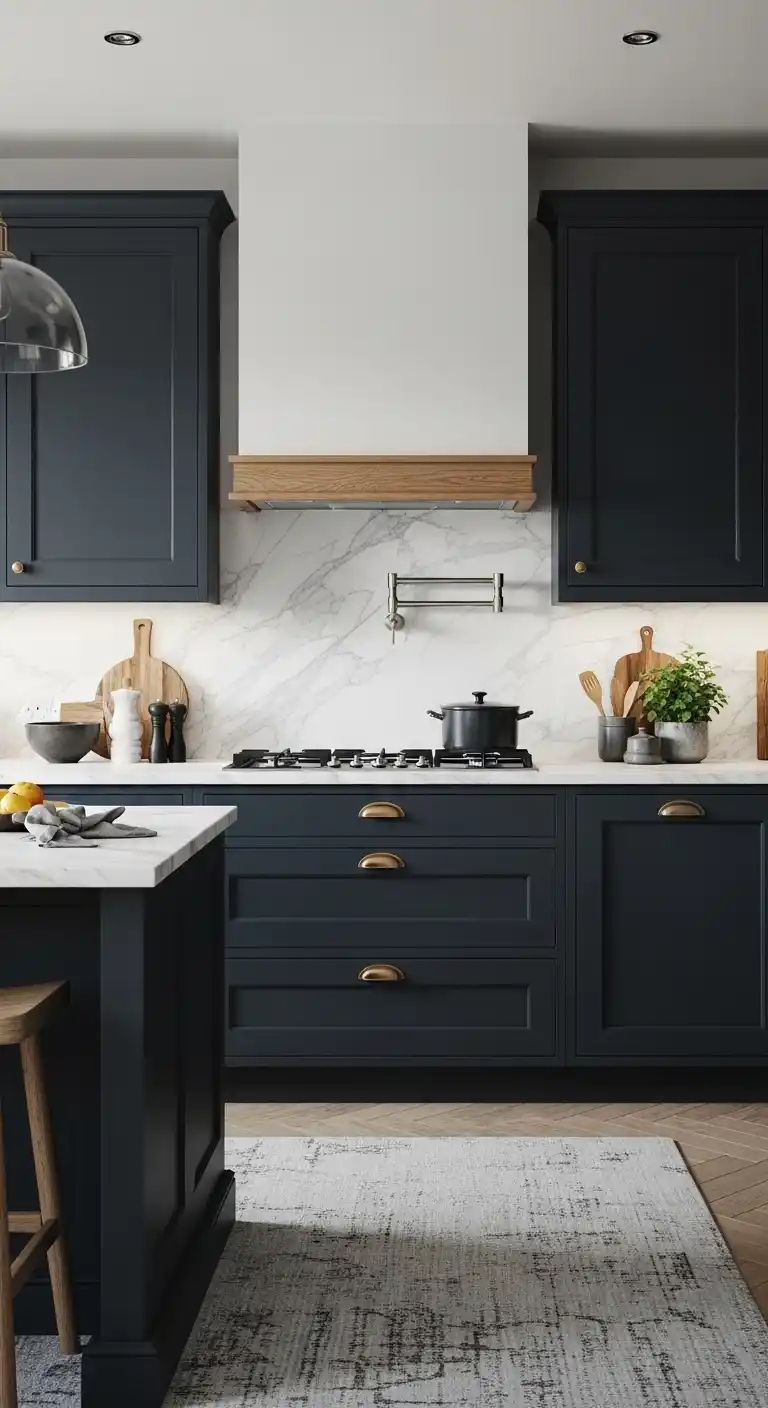
Moody kitchen cabinets create a lasting impression, providing timeless elegance that transcends design trends.
Deep colors like navy, charcoal, or matte black remain stylish while offering flexibility for complementary décor, finishes, and lighting changes over time.
Pairing these cabinets with classic materials, such as marble countertops or wooden accents, reinforces a sense of luxury and sophistication.
Timeless moody designs balance drama with practicality, ensuring kitchens remain functional, inviting, and visually appealing for years.
Investing in high-quality cabinetry, finishes, and hardware guarantees durability, while thoughtful design ensures the space feels contemporary yet classic.
Moody cabinets serve as a foundation for layered, elegant kitchen design, demonstrating that bold color choices can achieve both style and longevity.
Choosing the Right Colors for Moody Kitchen Cabinets
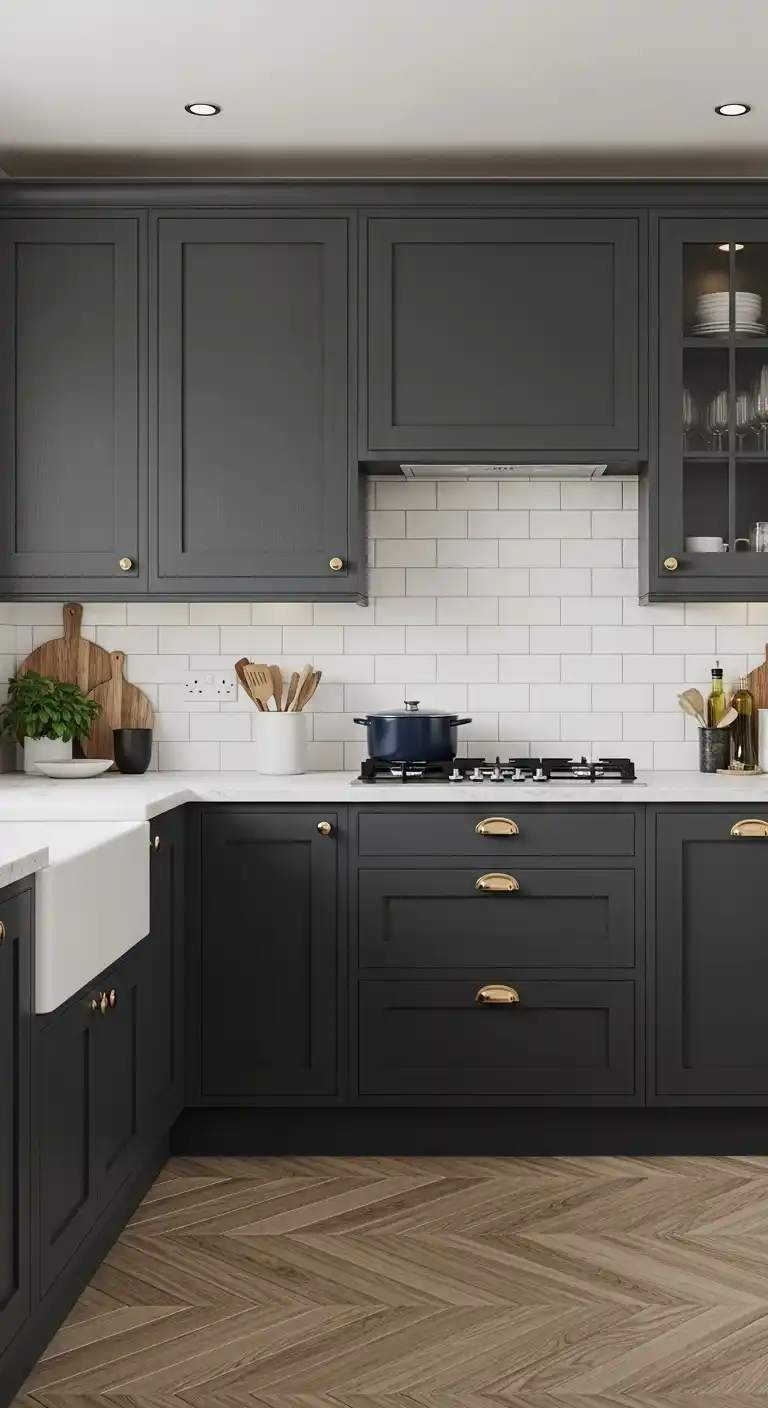
Selecting the perfect color for moody kitchen cabinets is crucial to achieve a harmonious and inviting atmosphere.
Popular choices include muted navy, deep charcoal, forest green, matte black, and rich plum, all of which exude sophistication while enhancing visual interest.
Color psychology suggests that dark shades can evoke calmness, elegance, and stability, which makes kitchens feel more grounded and luxurious.
Pairing moody cabinets with lighter countertops, backsplashes, or flooring creates balance and prevents the room from appearing too dark or overwhelming.
Maintaining and Caring for Moody Kitchen Cabinets
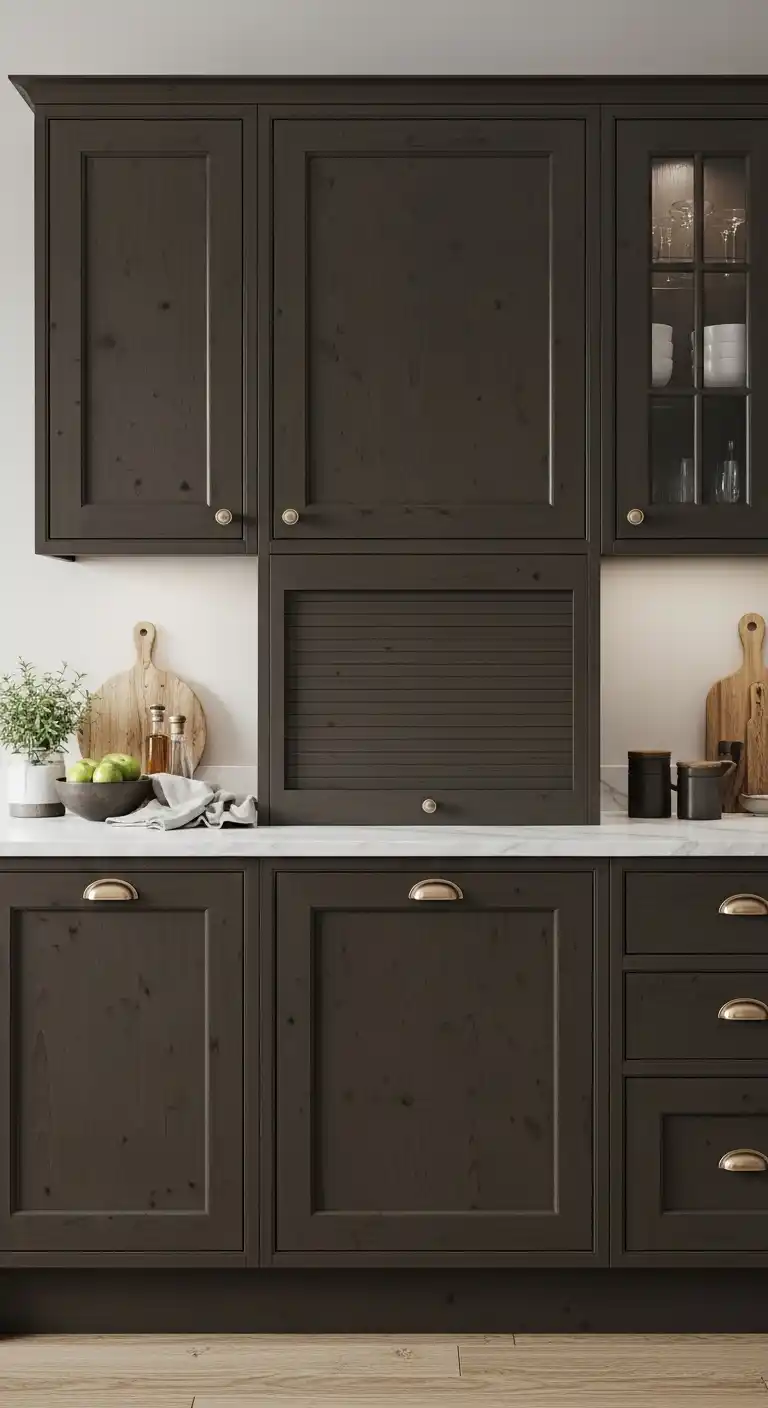
Proper care ensures that moody kitchen cabinets retain their elegance and rich appearance for many years.
Regular cleaning with a soft cloth and gentle, non-abrasive cleaners prevents streaks and preserves the cabinetry’s finish without causing damage.
Dark finishes, especially matte or textured surfaces, may show dust differently, so routine dusting maintains a consistently polished look throughout the kitchen.
Avoid harsh chemicals, scouring pads, or abrasive brushes that can scratch or dull the surface, reducing the cabinets’ visual appeal.
Additionally, seasonal maintenance, like checking hinges, handles, and cabinet alignment, ensures both functionality and aesthetics remain intact in the long term.
Proper care balances beauty and longevity, letting moody cabinetry continue to impress while remaining practical for everyday kitchen use.
Final Thoughts
Moody kitchen cabinets offer homeowners an opportunity to create kitchens that are both bold and inviting, combining sophistication with functionality.
Deep hues, whether navy, charcoal, forest green, or matte black, bring personality, elegance, and warmth to any cooking space.
Pairing these cabinets with contrasting countertops, textured surfaces, statement hardware, and proper lighting ensures the kitchen feels balanced, stylish, and functional.
From classic layouts to modern minimalist designs, moody cabinetry can be adapted to suit a variety of tastes, sizes, and lighting conditions.
Ultimately, embracing moody tones allows homeowners to make a strong design statement while enjoying a luxurious and personalized kitchen experience.
For homeowners unsure about fully committing to a deep color, half-height cabinets or an accent island in a moody shade can provide the perfect introduction.