19 Colonial Kitchen Cabinets to Inspire Your Space

Want a kitchen that reflects history, character, and sophistication? Colonial kitchen cabinets offer a refined look with classic features that never go out of style. Discover creative ways to incorporate this timeless design into a kitchen you’ll enjoy for years to come.
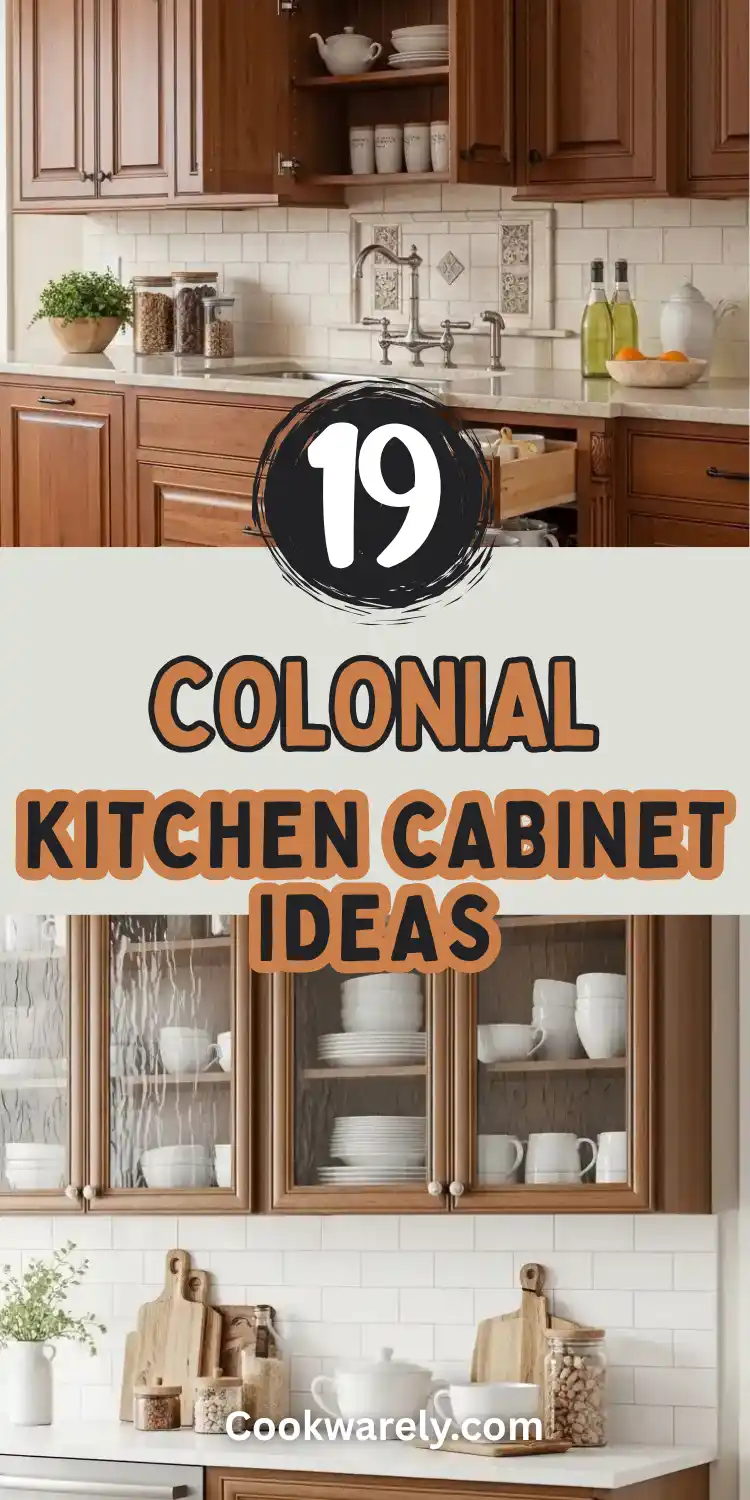
Renovating my kitchen was overwhelming at first. The old cabinets were functional but lifeless, and I kept imagining a more inviting space.
That’s when I discovered colonial kitchen cabinets. Their elegant, paneled doors and rich wood tones immediately made the kitchen feel like a space people actually wanted to linger in.
I started with small updates—swapping outdated knobs for vintage brass, adding decorative molding, and painting a few cabinets in soft antique white.
Suddenly, the kitchen wasn’t just a cooking area; it felt like a room with personality and history.
Choosing the right colonial cabinets means balancing tradition and functionality, and I’ll show you how even simple changes can make a huge difference.
The History and Evolution of Colonial Kitchen Cabinets
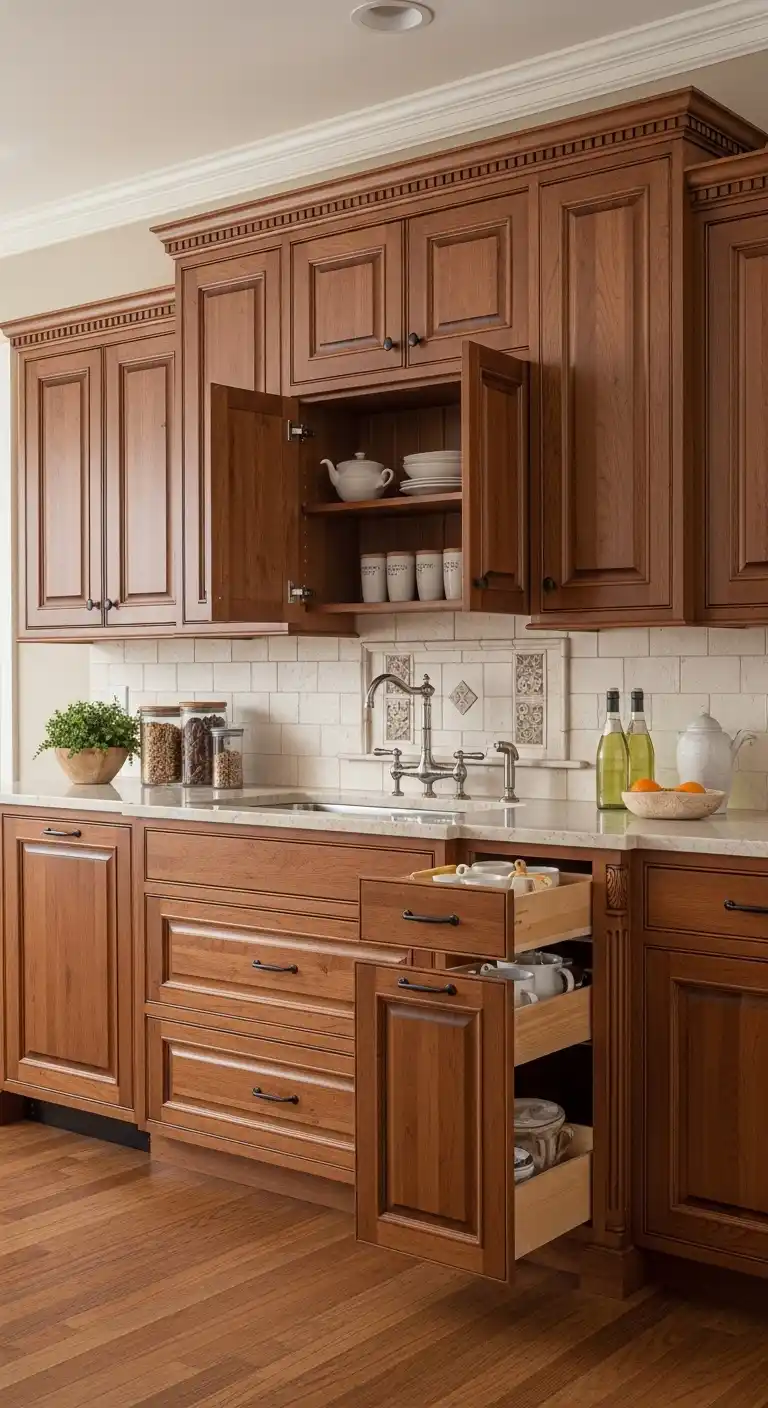
Colonial kitchen cabinets trace their origins to early American settlements, where European settlers brought functional woodworking techniques and design traditions.
Early cabinets were simple and purely practical, primarily focused on storing essential cookware and dry goods for large households.
Over time, artisans began incorporating decorative elements like raised panels, crown moldings, and hand-carved details, elevating cabinets from mere storage to stylish focal points in kitchens.
The evolution of these cabinets reflects a balance between practicality and aesthetics, preserving the handcrafted quality while gradually adapting to modern kitchen layouts and storage needs.
Today, colonial kitchen cabinets maintain their historical charm while embracing innovations such as soft-close hinges, pull-out trays, and eco-friendly materials, blending tradition with modern convenience.
Materials and Finishes Used in Colonial Kitchen Cabinets
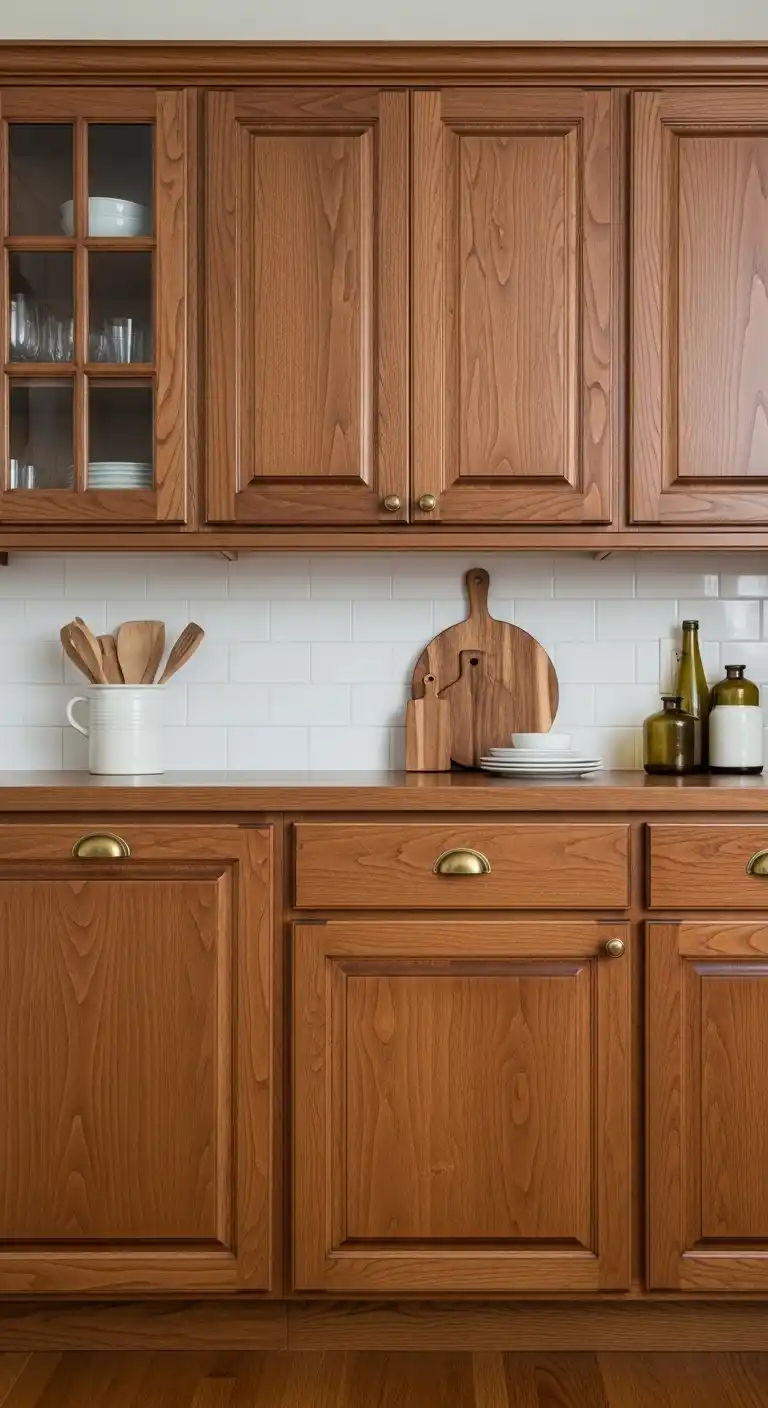
Colonial kitchen cabinets primarily use solid hardwoods like oak, cherry, maple, and mahogany, chosen for their durability, warmth, and timeless beauty.
Each wood type has its distinct character: oak offers a subtle grain, cherry darkens gracefully over time, and maple provides a smooth, uniform surface ideal for staining.
Finishes vary from natural stains that highlight the wood’s texture to painted surfaces in muted colors, adding soft elegance without overwhelming a kitchen’s visual balance.
Modern adaptations sometimes include reclaimed wood or eco-friendly finishes, allowing homeowners to preserve sustainability while enjoying the traditional charm of colonial designs.
Hardware choices, such as brass or antique-finished knobs, further complement these finishes, enhancing the authentic appearance of the cabinets and tying the entire kitchen design together.
1. Shaker-Style Colonial Kitchen Cabinets: Minimalism Meets Tradition
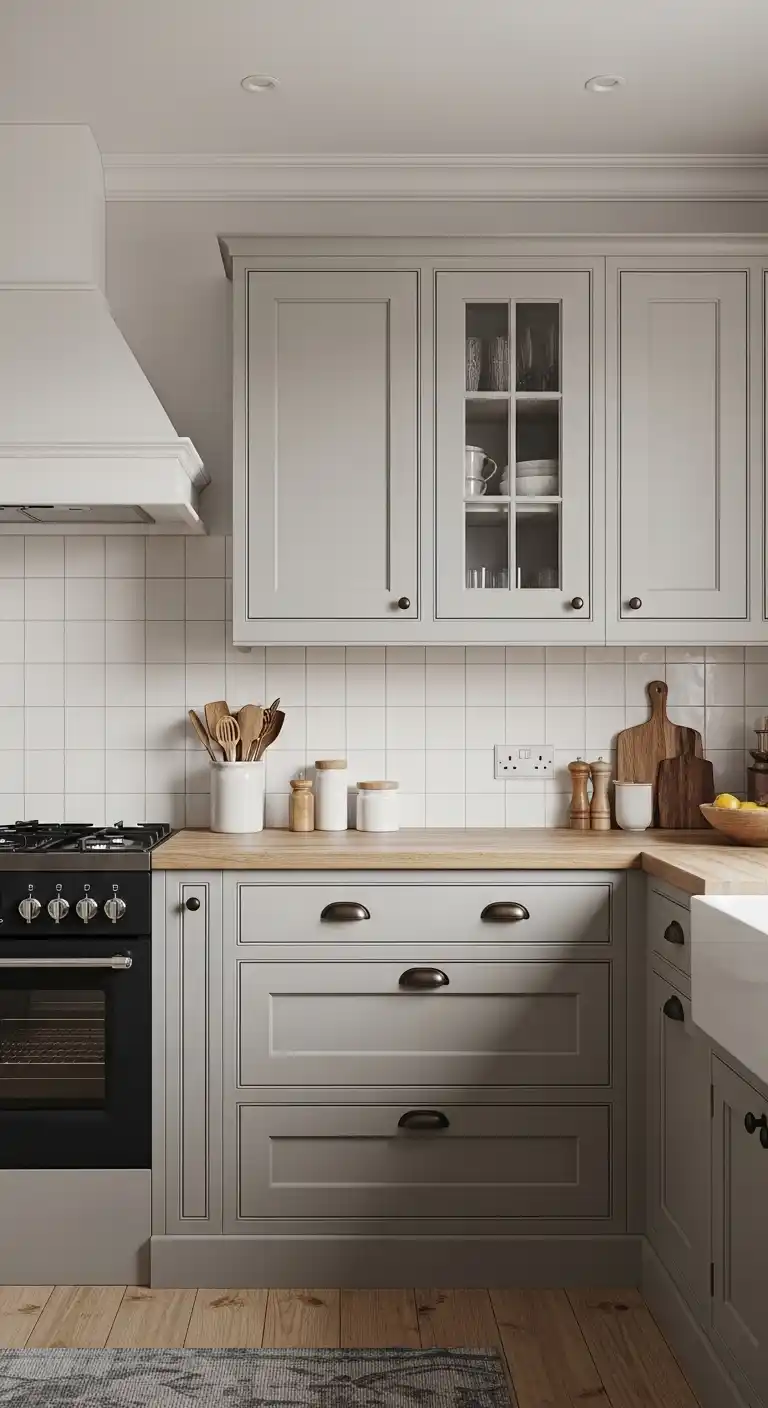
Shaker-style colonial kitchen cabinets embody simplicity, clean lines, and functional elegance, making them ideal for a variety of kitchen designs.
These cabinets focus on practical storage without excessive ornamentation, emphasizing craftsmanship and precise joinery for long-lasting durability.
They easily adapt to contemporary kitchen layouts while maintaining a warm, inviting feel that evokes heritage-inspired charm.
Shaker-style cabinets often feature muted finishes or soft paint colors, allowing homeowners to blend them with wooden countertops, tiled backsplashes, or vintage-style handles.
This style balances minimalism and tradition, making it suitable for open kitchens, large family homes, or cozy spaces that require practical yet aesthetically pleasing storage solutions.
2. Glass-Front Colonial Cabinets: Displaying Your Kitchenware With Elegance
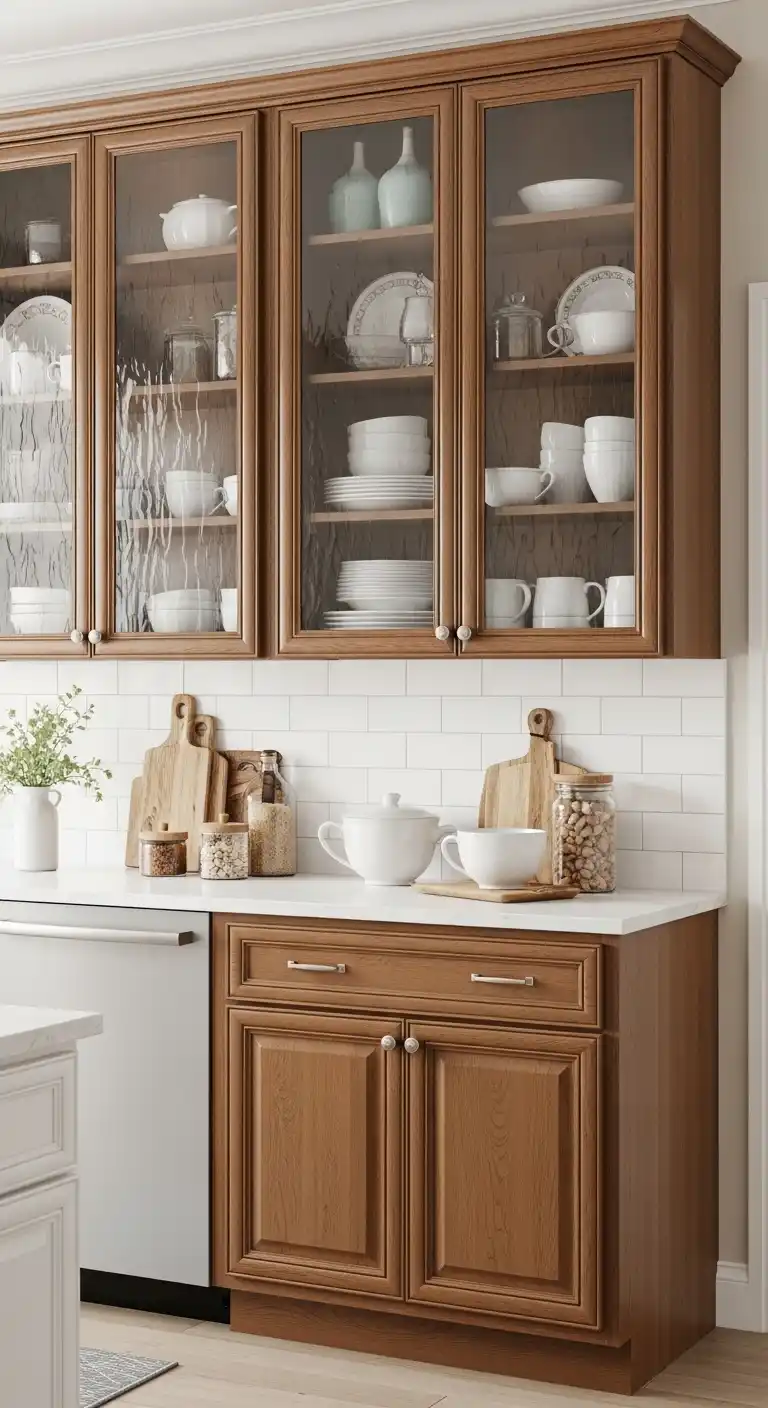
Glass-front colonial cabinets transform ordinary storage into an elegant showcase for dishware, collectibles, or decorative kitchen items.
They enhance visual depth, making kitchens feel larger and brighter while adding a touch of sophistication and refinement.
These cabinets often pair wooden frames with clear, frosted, or textured glass panels to combine classic design with functional visibility.
Glass-front cabinets also encourage organization, as homeowners must keep displayed items tidy, contributing to a neat and welcoming kitchen environment.
By balancing closed and open display areas, these cabinets integrate seamlessly into modern kitchens while preserving the colonial aesthetic.
4. Corner and L-Shaped Colonial Cabinets: Maximizing Space With Style
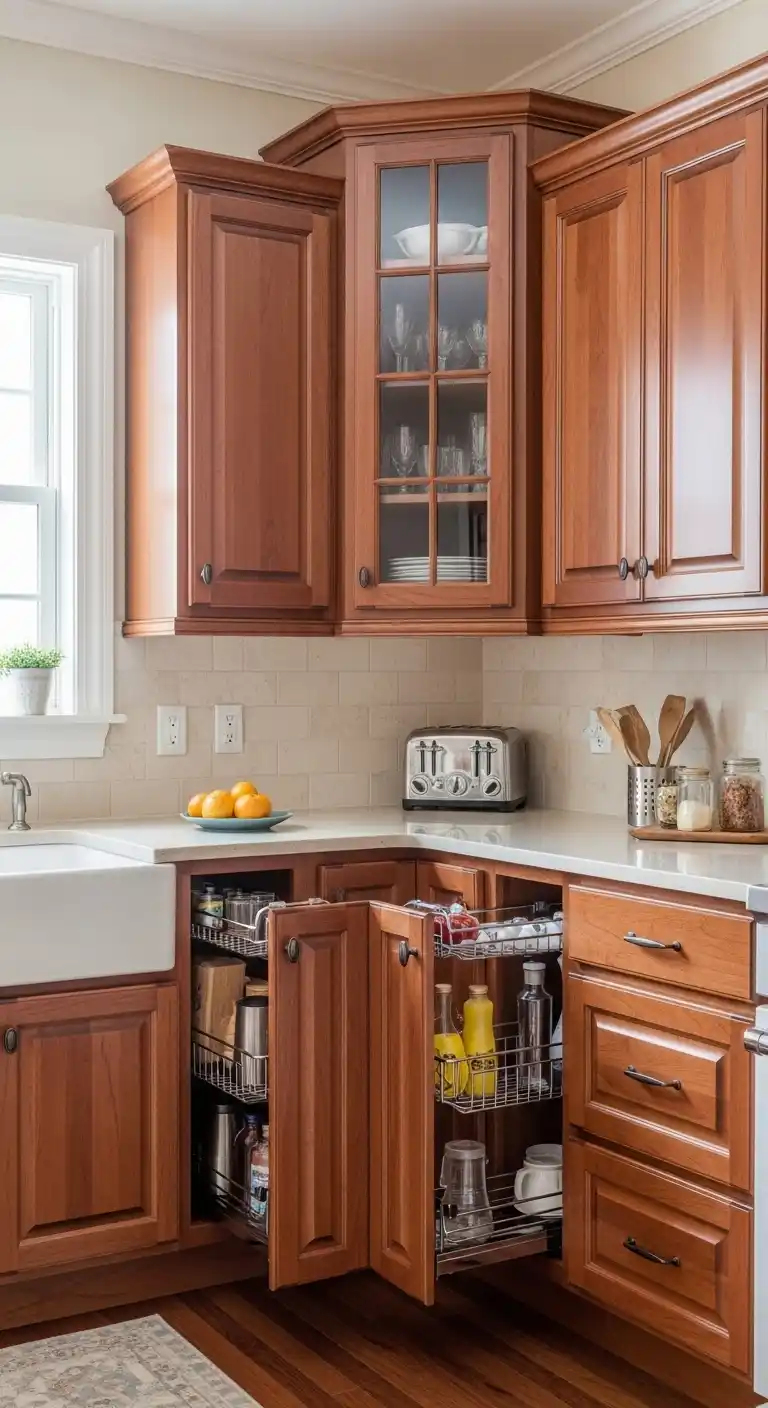
Corner and L-shaped colonial cabinets offer practical solutions for kitchens with unique layouts, providing ample storage without wasting space.
By incorporating pull-out shelves, lazy Susans, or adjustable racks, these cabinets make previously hard-to-reach corners accessible and efficient.
L-shaped designs maintain visual continuity while enhancing workflow, ensuring that cooking and preparation areas remain functional and organized.
The strategic use of corner cabinets allows homeowners to retain the warmth and elegance of colonial designs while improving overall kitchen usability.
Thoughtful hardware choices and matching finishes ensure that even the most compact or irregularly shaped kitchens maintain a cohesive, traditional charm.
5. Painted Colonial Kitchen Cabinets: Modern Twists on Classic Designs
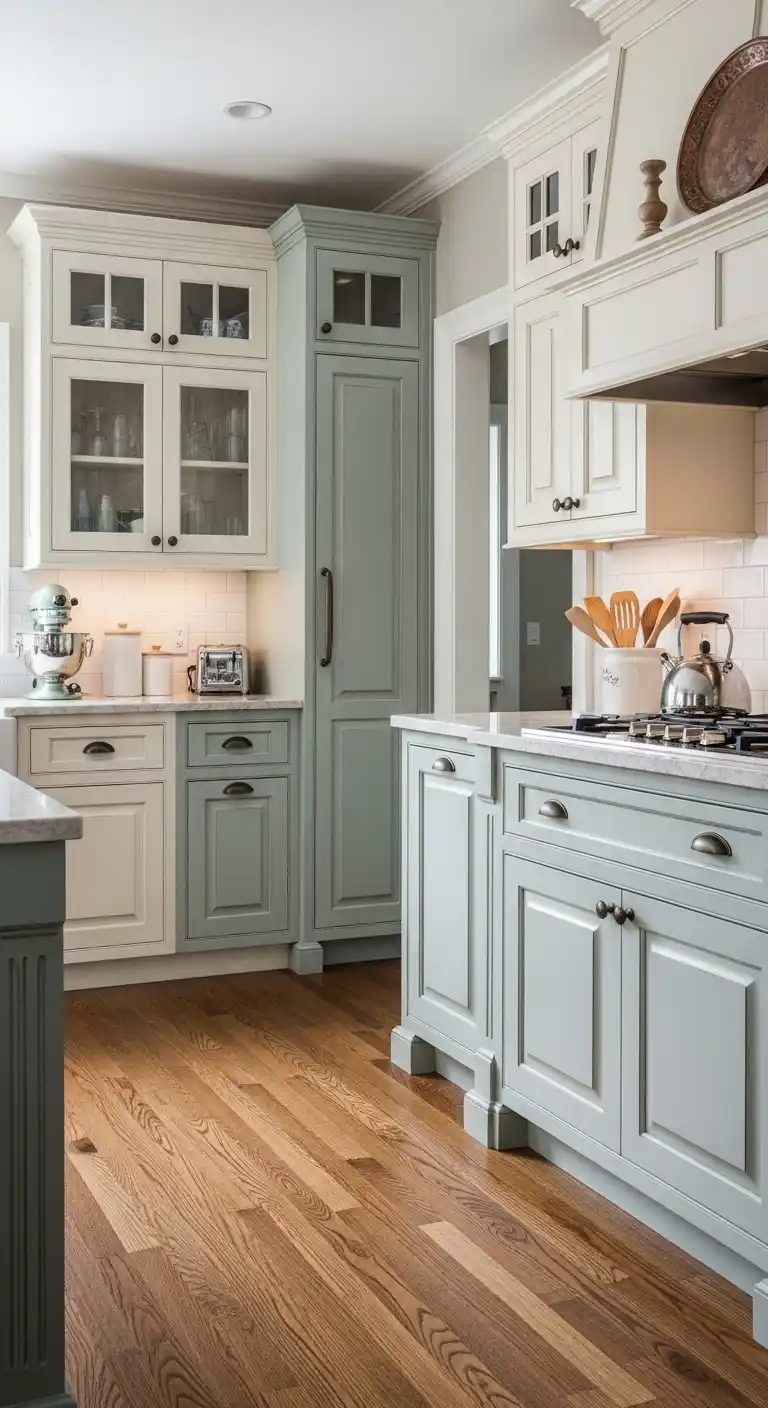
Painted colonial kitchen cabinets offer a contemporary take on traditional craftsmanship, providing both color and character to modern kitchen interiors.
Soft, muted tones like cream, sage green, or light blue complement the warmth of hardwood floors and countertops, creating a harmonious and inviting environment.
These cabinets often feature subtle distressing or layered paint techniques that enhance the vintage feel while maintaining a clean, modern appearance.
Combining painted surfaces with traditional hardware, such as antique-finished knobs or hinges, ensures the design retains its colonial authenticity.
By integrating painted cabinets into classic kitchen layouts, homeowners can achieve a sophisticated balance between modern design preferences and the timeless appeal of colonial styling.
6. Two-Tone Colonial Cabinets: Adding Depth and Visual Interest
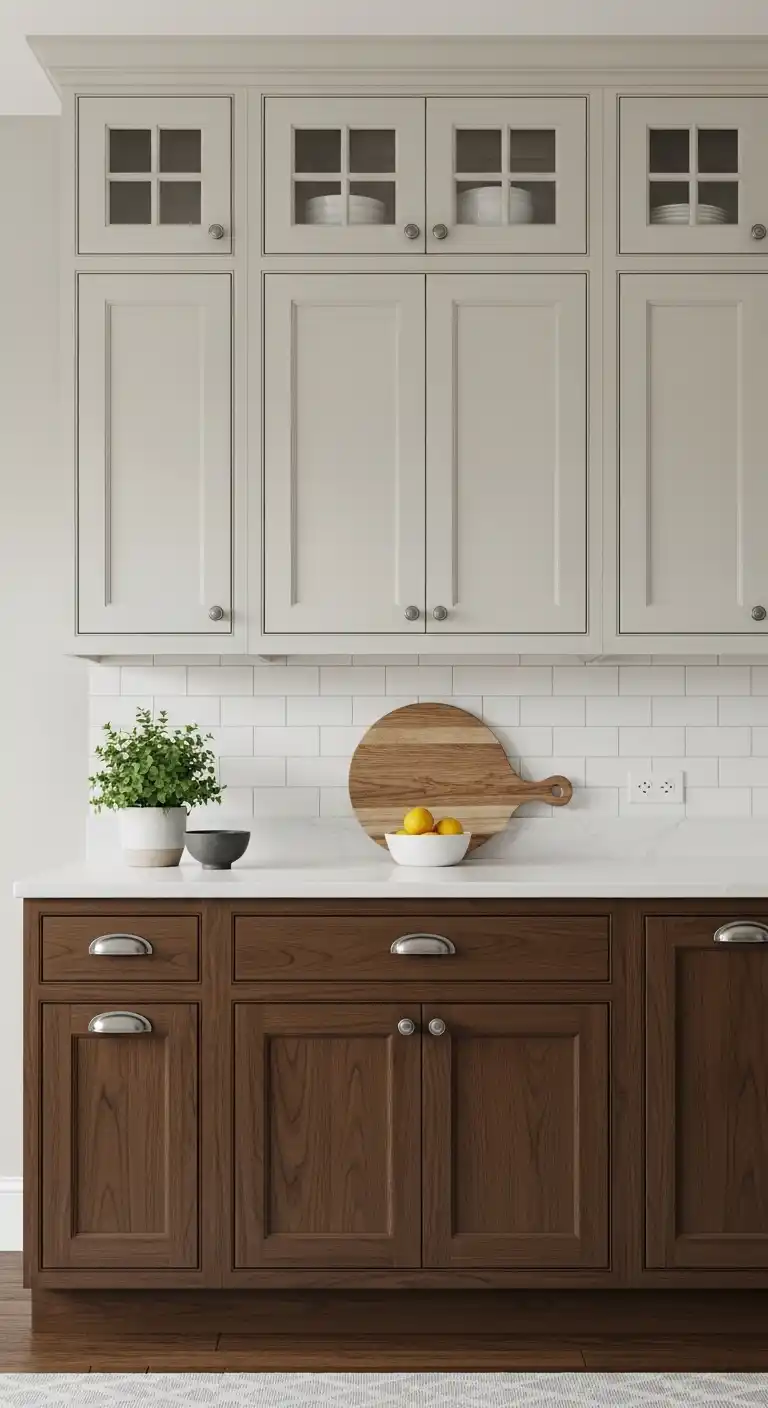
Two-tone colonial cabinets create visual contrast by combining lighter upper cabinets with darker lower units, adding dimension and sophistication to any kitchen space.
This style allows homeowners to experiment with color while maintaining the traditional charm and functional design of colonial kitchen cabinets.
For example, a muted cream upper cabinet paired with a rich walnut lower cabinet enhances both depth and elegance.
Two-tone designs also help break the monotony in large kitchens, creating focal points that draw attention without overwhelming the overall aesthetic.
The combination of complementary finishes and classic hardware ensures these cabinets remain historically respectful while introducing modern creativity.
7. Open-Shelf Colonial Cabinets: Blending Accessibility and Classic Design
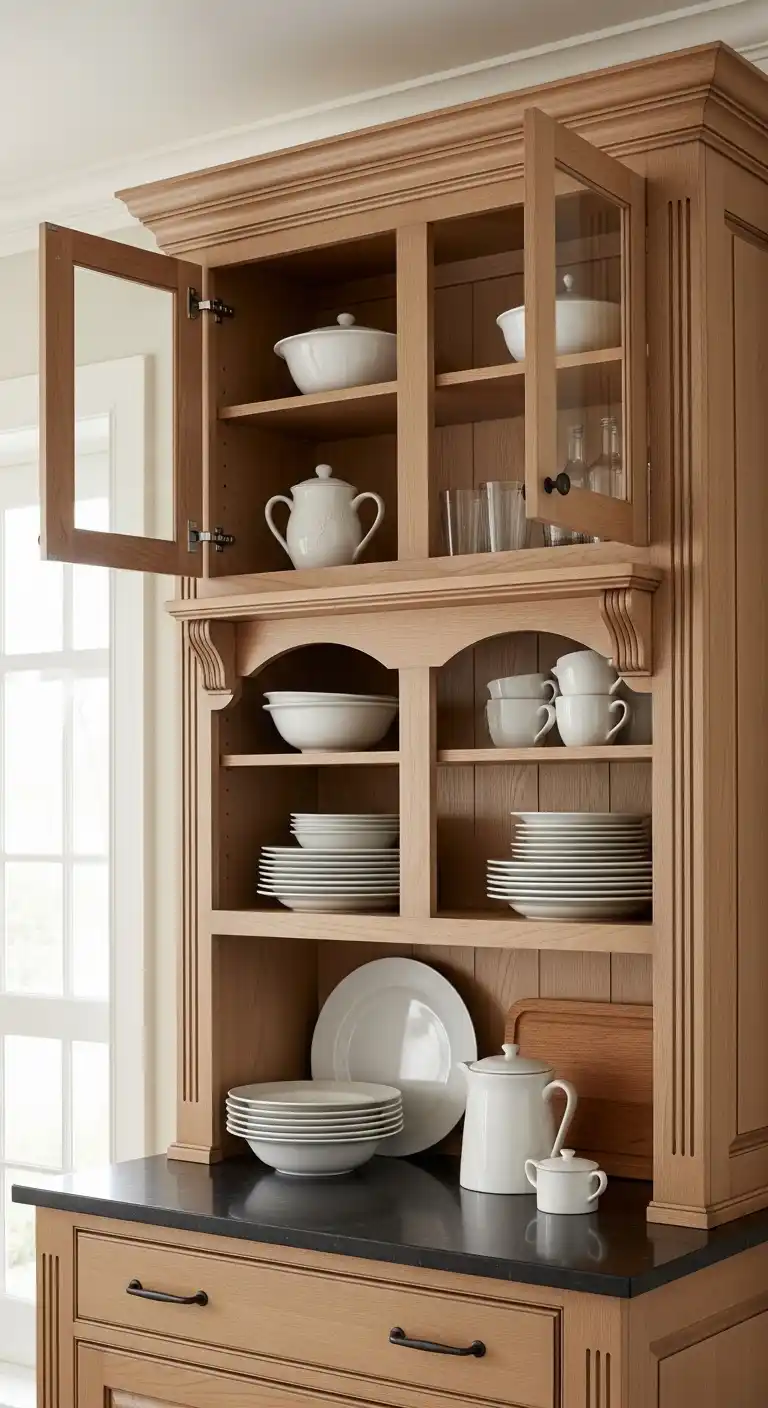
Open-shelf colonial cabinets offer a practical and visually appealing alternative to fully enclosed storage, emphasizing accessibility and decorative display.
Homeowners can use open shelving to showcase dishware, cookbooks, or heirloom pieces, creating a personalized kitchen atmosphere that feels both functional and charming.
By pairing open shelves with enclosed cabinets, designers can maintain storage flexibility while highlighting signature colonial details like wood trim or corbels.
These cabinets encourage organization and regular upkeep, ensuring displayed items remain tidy and aesthetically consistent with the kitchen’s overall design.
Open shelving works particularly well in smaller kitchens, where light and visibility enhance the perception of space while preserving the classic colonial style.
8. Pantry-Style Colonial Cabinets: Organizing With Elegance
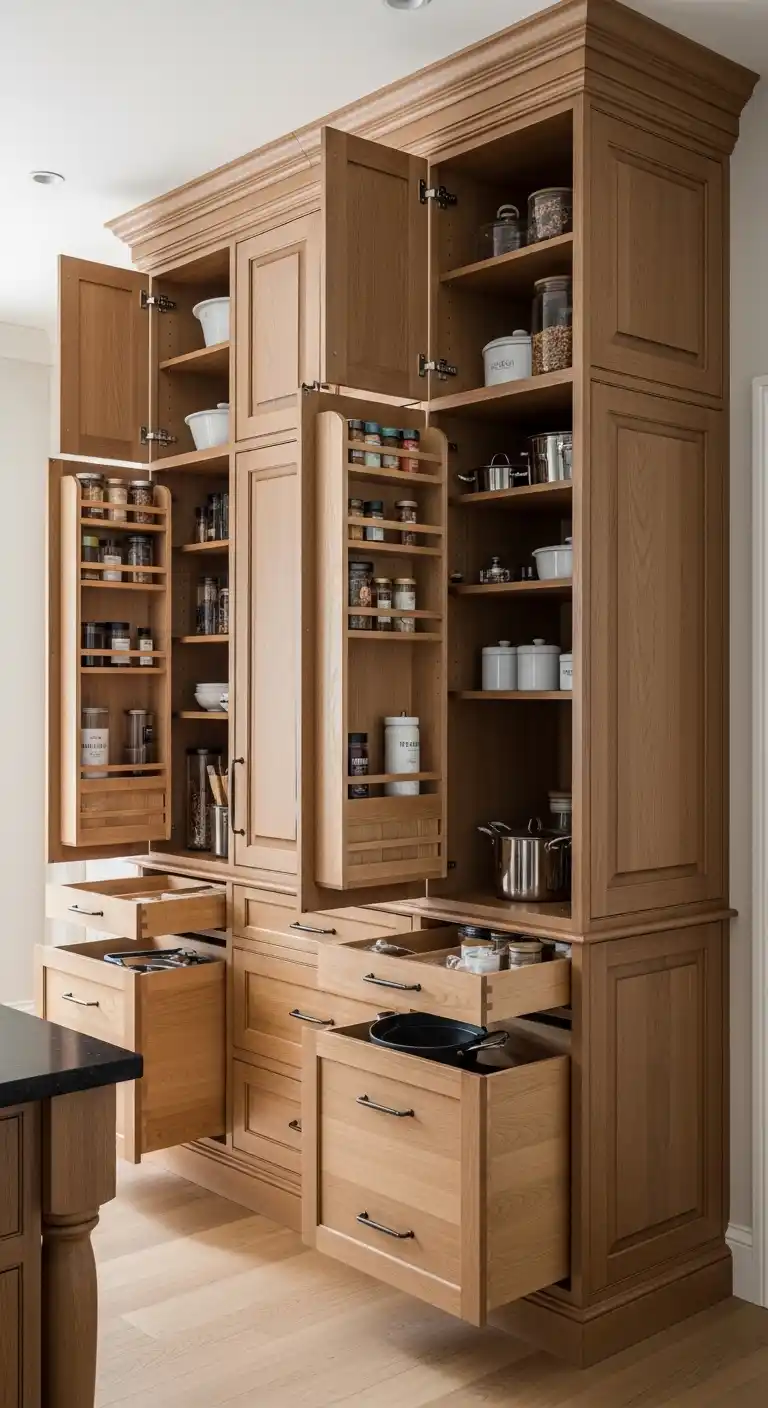
Tall pantry-style colonial cabinets provide a sophisticated solution for storing dry goods, cookware, and kitchen essentials, keeping the space organized and functional.
Adjustable shelving, pull-out trays, and deep drawers ensure maximum usability, allowing homeowners to access all items efficiently without sacrificing aesthetic appeal.
These cabinets often extend from floor to ceiling, creating a strong visual anchor in the kitchen while providing practical storage solutions for large families.
By choosing finishes that match main cabinetry, homeowners maintain a cohesive look, reinforcing the warmth and heritage-inspired charm of colonial kitchen design.
Pantry-style cabinets are ideal for blending traditional elegance with modern efficiency, offering both style and practical convenience in contemporary kitchens.
9. Rustic Colonial Kitchen Cabinets: Embracing Imperfections for Authenticity
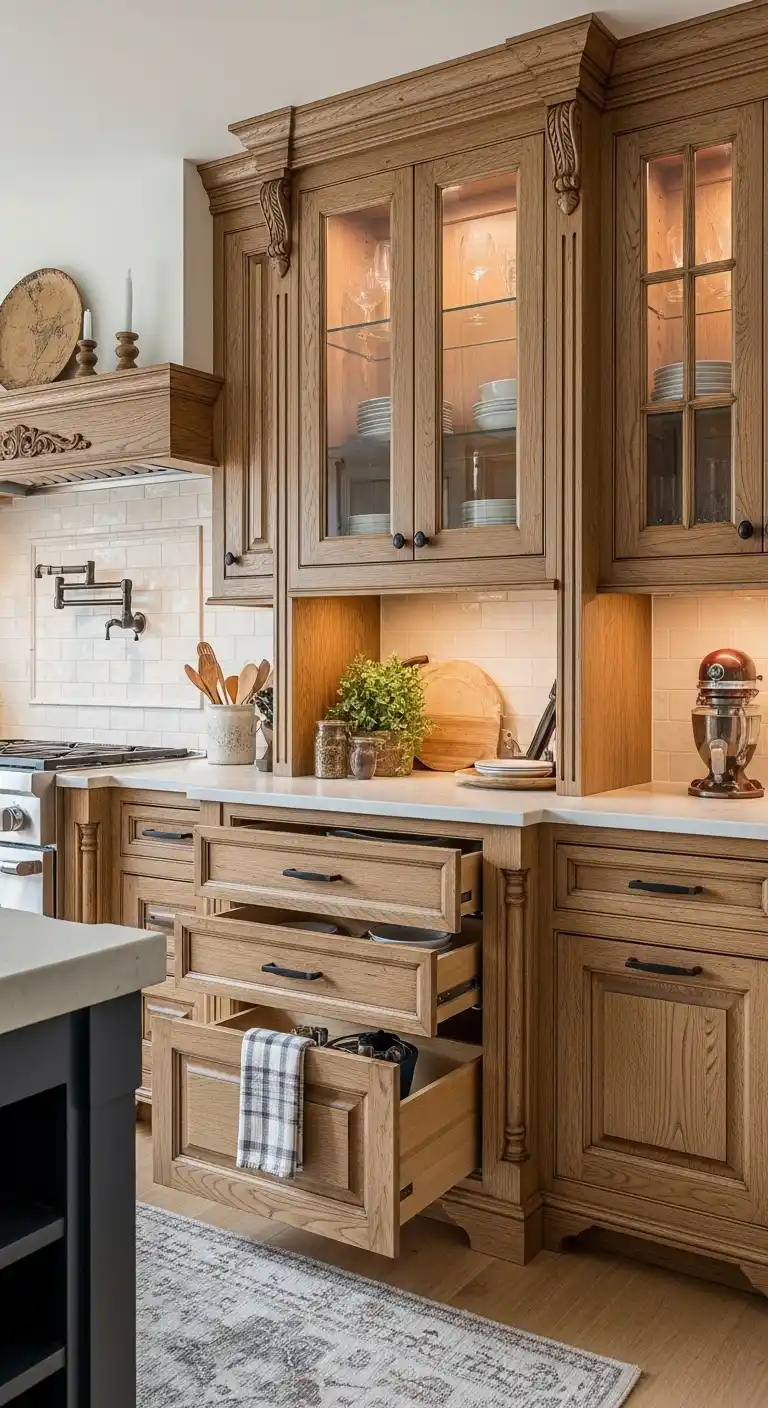
Rustic colonial kitchen cabinets embrace the natural beauty of wood, highlighting textures, grains, and subtle imperfections that create a cozy, authentic atmosphere.
Hand-carved details, reclaimed wood, and distressed finishes add warmth and character, making the kitchen feel inviting and historically inspired.
These cabinets pair exceptionally well with natural stone countertops, vintage-style hardware, and warm lighting to enhance their rustic charm and heritage feel.
Rustic designs can also integrate modern conveniences such as soft-close drawers, pull-out organizers, and concealed appliances without compromising their traditional aesthetic.
By celebrating imperfections, homeowners achieve a visually rich, welcoming kitchen that respects the colonial style while remaining practical for contemporary living.
10. Crown Molding and Decorative Accents: Adding Regal Touches
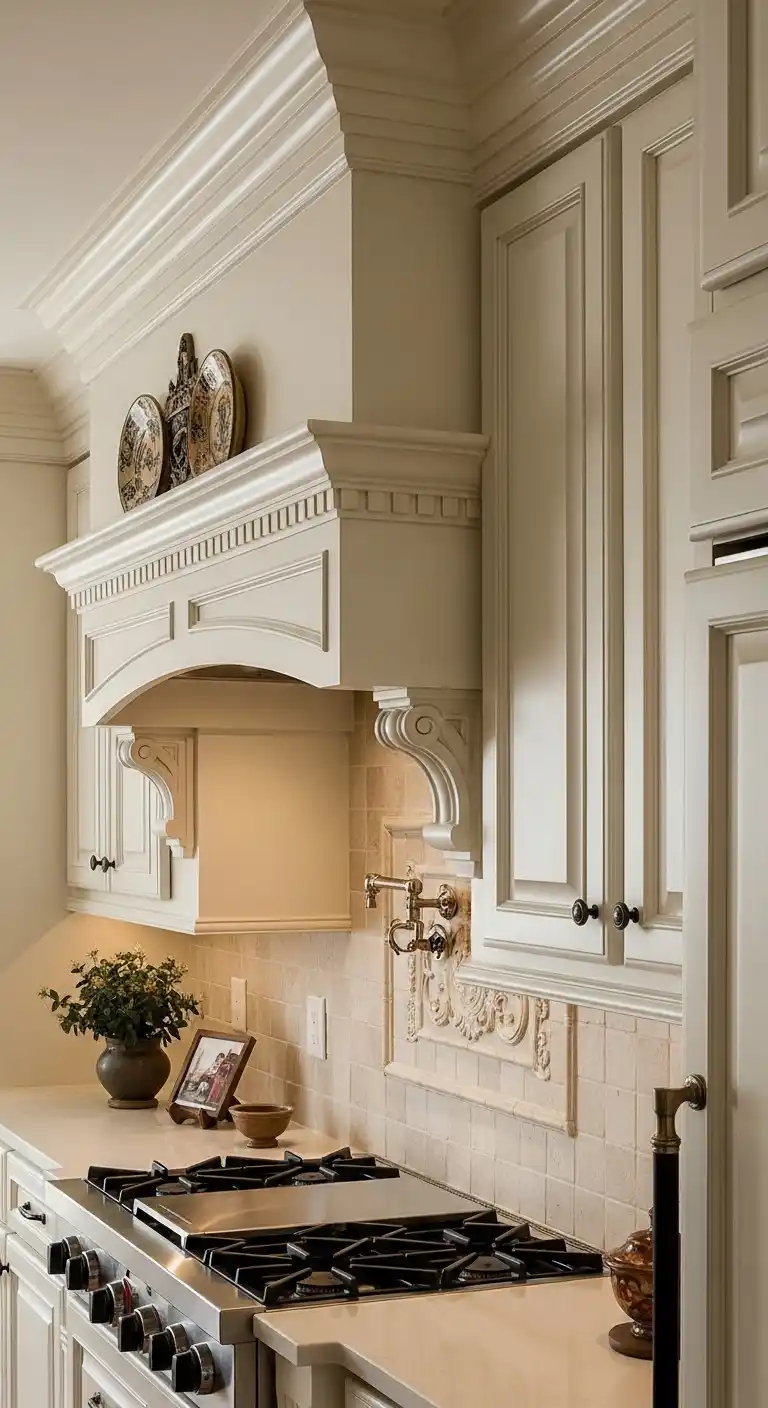
Crown molding, corbels, and decorative panels enhance colonial kitchen cabinets by introducing sophistication and visual interest without overwhelming the overall design.
These accents elevate even simple cabinetry, providing a sense of craftsmanship that mirrors the elegance of early American kitchens.
Subtle application ensures smaller kitchens retain openness, while larger kitchens can incorporate more elaborate detailing to emphasize grandeur and historical accuracy.
Combining decorative elements with complementary hardware and finishes reinforces the colonial theme, creating a cohesive and visually appealing kitchen environment.
Properly integrated molding and accents allow homeowners to enjoy both style and functionality, ensuring cabinets remain practical while conveying a timeless sense of luxury.
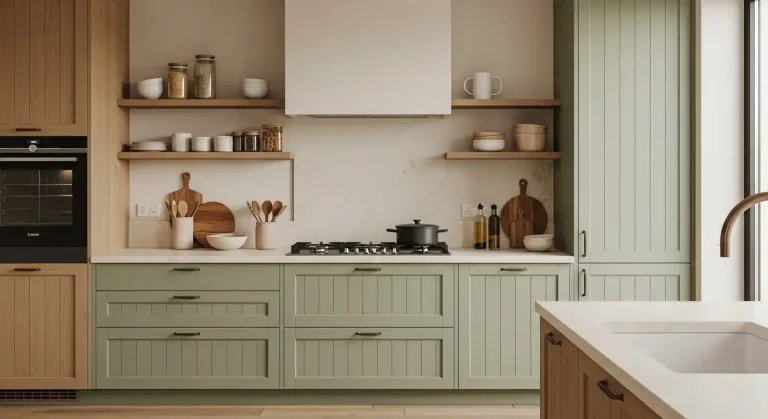
11. Beadboard Colonial Cabinets: Textured Charm and Timeless Appeal
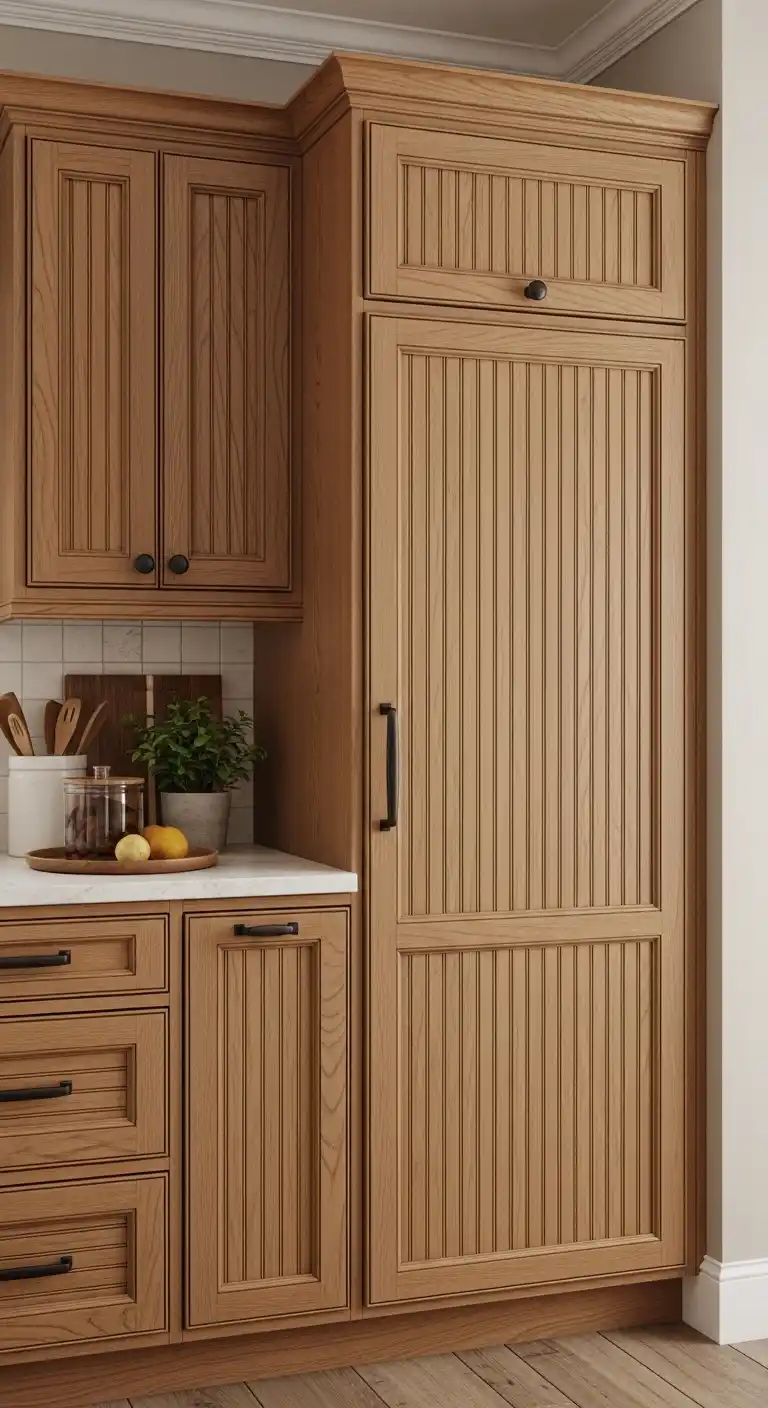
Beadboard colonial cabinets add a distinctive textured element to kitchens, creating visual interest while maintaining a traditional, heritage-inspired aesthetic.
These cabinets feature narrow vertical grooves carved into wooden panels, evoking craftsmanship and a hand-built quality reminiscent of early American kitchens.
Beadboard designs work well for both upper and lower cabinets, offering flexibility in style without overpowering other design elements.
Soft, neutral paint colors or light wood finishes enhance the texture, adding warmth and inviting charm to the kitchen space.
Homeowners can pair beadboard cabinets with simple hardware, like brass or antique handles, to maintain a clean yet historically authentic appearance.
They also integrate seamlessly with farmhouse sinks, wooden countertops, or vintage lighting, making beadboard cabinets an excellent choice for both traditional and modernized colonial kitchens.
12. Glass-Panel Inserts With Leaded Details: Elegant Storytelling
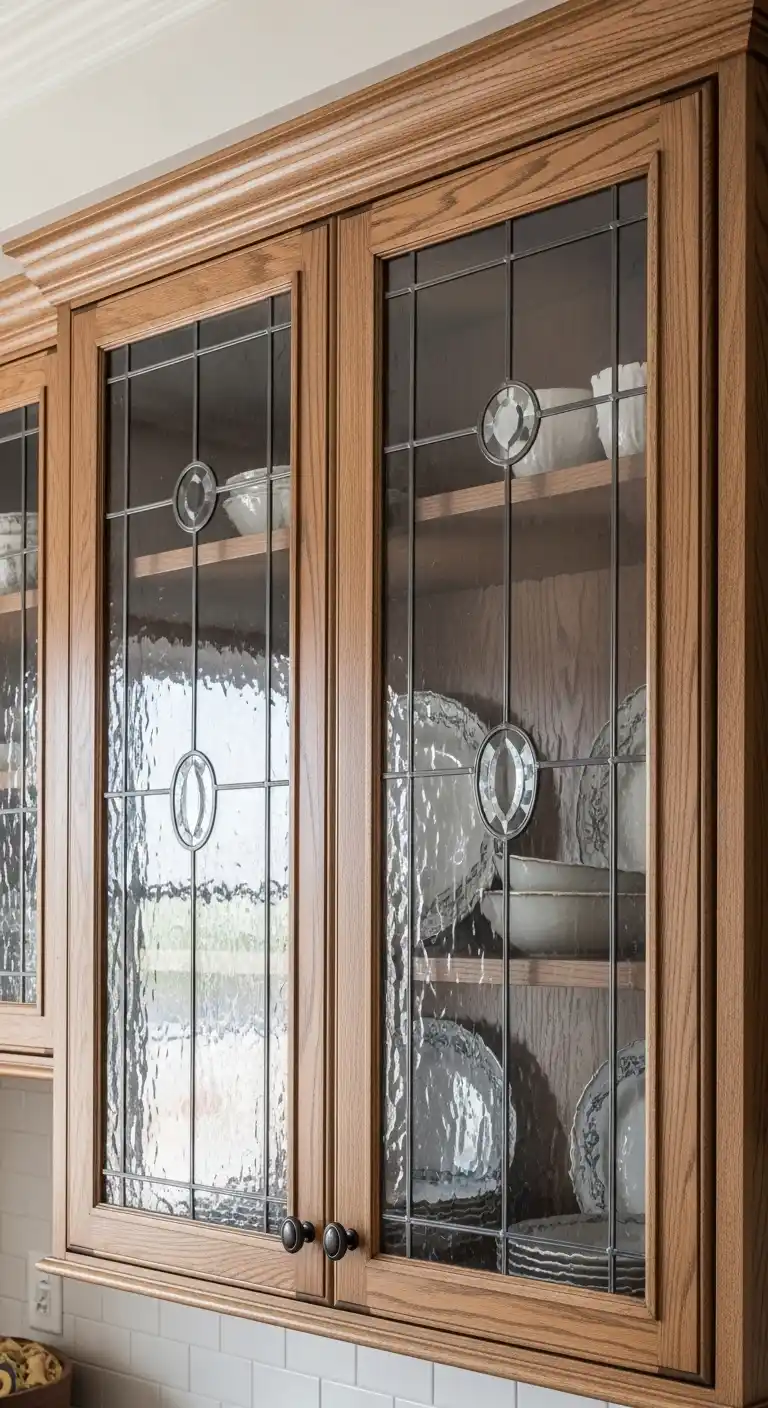
Glass-panel colonial cabinets with leaded or decorative inserts transform storage into an artistic statement while preserving visibility and practicality.
Leaded glass adds subtle patterns, geometric designs, or textured surfaces, enhancing the cabinet’s character without appearing overly ornate.
These inserts allow homeowners to display dishes or heirlooms while adding refinement, depth, and a touch of sophistication to the kitchen environment.
Wood frames surrounding the glass panels maintain the traditional colonial design, blending warmth and craftsmanship with decorative functionality.
Leaded glass cabinets work exceptionally well in both open-plan kitchens and traditional layouts, providing an elegant focal point that draws the eye naturally.
By combining light, texture, and careful organization, these cabinets enhance both usability and aesthetic appeal, creating a kitchen that is inviting and timelessly stylish.
13. Apothecary-Style Colonial Cabinets: Functional Divisions for Modern Kitchens
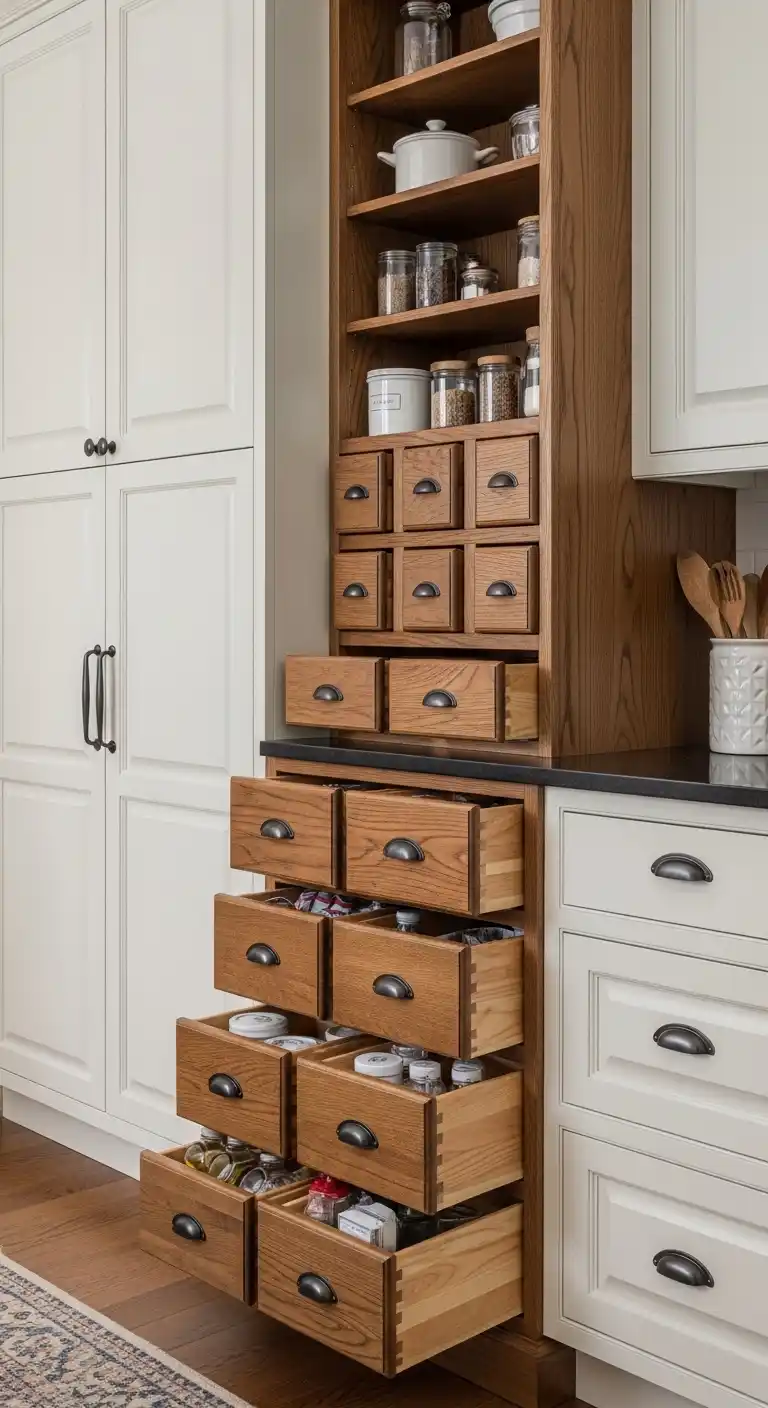
Apothecary-style colonial cabinets feature multiple small drawers that originally stored herbs, spices, and small household items in colonial-era kitchens.
Modern adaptations use these cabinets for utensils, baking supplies, or other kitchen essentials, providing organized, compact storage that remains accessible and practical.
The unique arrangement of drawers creates visual interest, breaking up large expanses of cabinetry and adding rhythm to the kitchen layout.
Apothecary cabinets often pair well with solid wood or painted finishes, depending on whether homeowners prefer rustic charm or subtle elegance.
Including traditional hardware, like round wooden knobs or brass pulls, reinforces the heritage-inspired feel while ensuring each drawer opens smoothly for daily use.
By integrating apothecary-style units, homeowners can enjoy a functional and decorative cabinet solution that emphasizes both history and modern efficiency.
14. Built-In Bench and Cabinet Combos: Cozy and Practical
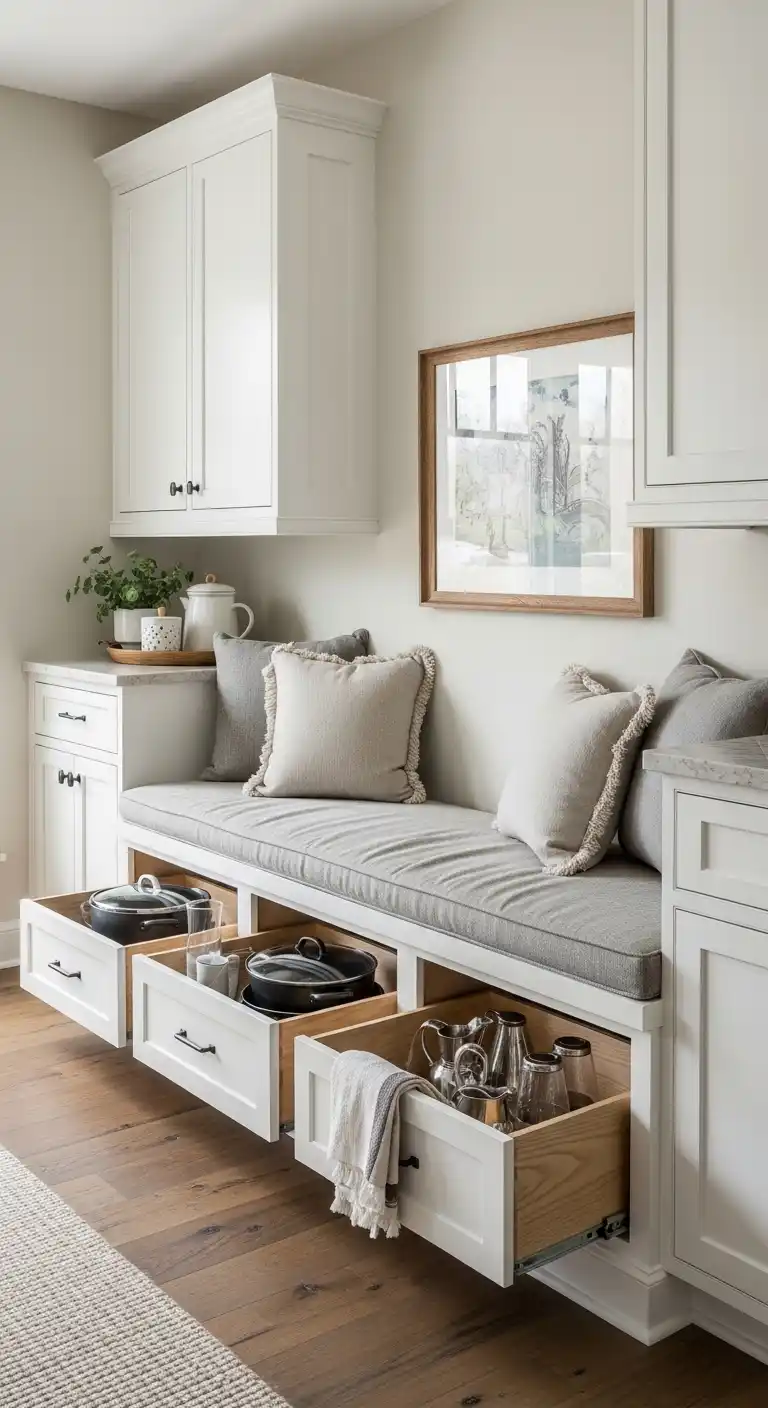
Built-in bench and cabinet combinations integrate seating with storage, offering practical functionality while maintaining colonial-inspired design elegance.
These cabinets often include lower storage drawers beneath seating areas, perfect for storing cookware, linens, or kitchen essentials out of sight.
Bench-and-cabinet designs encourage communal spaces, creating breakfast nooks or casual seating areas without sacrificing storage or aesthetic cohesion.
Custom finishes can match other cabinetry, while soft cushions, fabric textures, or subtle accents enhance the kitchen’s warmth and inviting atmosphere.
This integration allows homeowners to maximize underutilized space, blending functionality with classic colonial charm and maintaining an organized, visually appealing kitchen environment.
15. Raised Panel Colonial Cabinets: Depth and Traditional Character
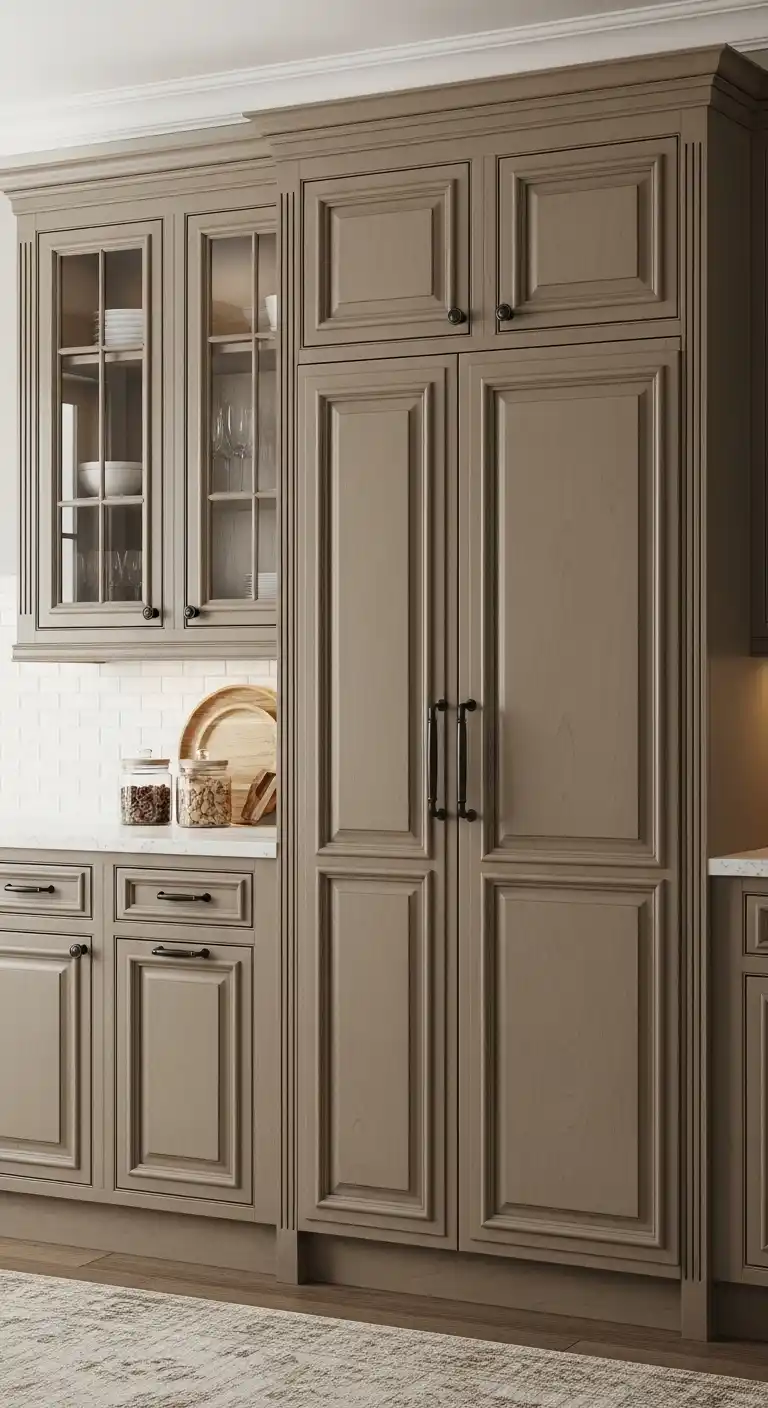
Raised panel colonial cabinets feature recessed or raised central panels that add depth, dimension, and traditional elegance to kitchen spaces.
These panels reflect craftsmanship, offering both durability and aesthetic appeal, echoing design techniques used in historical American kitchens.
Raised panel cabinets work well in larger kitchens, where the detailed craftsmanship enhances visual impact without overwhelming the overall design.
Pairing with crown molding, classic hardware, or muted wood stains emphasizes their timeless beauty, creating a sense of luxury while remaining practical.
They accommodate modern amenities efficiently, from storage racks to integrated appliances, while maintaining the structural and decorative integrity of classic colonial cabinet design.
16. Arched Colonial Cabinets: Curved Elegance for Distinctive Kitchens
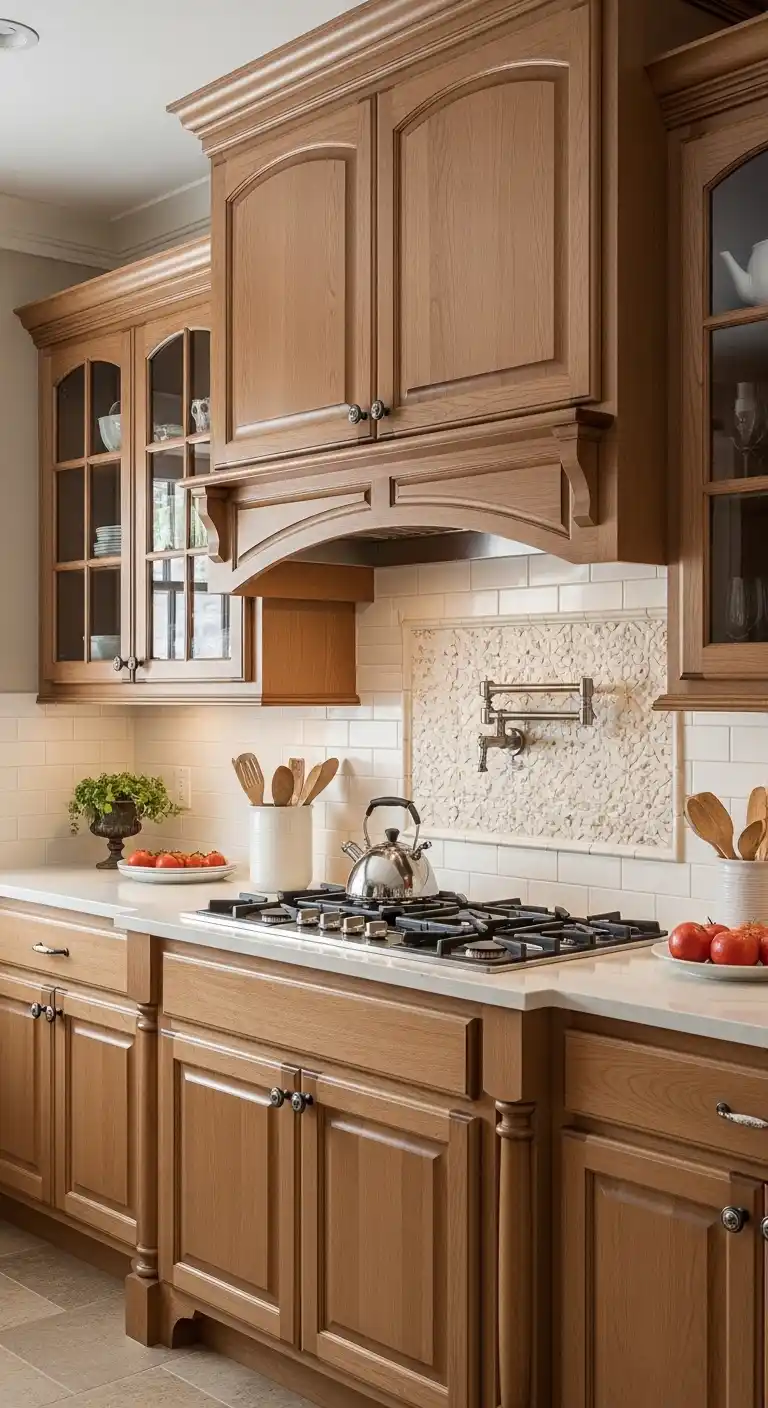
Arched colonial cabinets incorporate gracefully curved door panels, adding subtle elegance and softness to otherwise linear kitchen layouts.
These arches highlight skilled woodworking and craftsmanship, giving kitchens a distinctive, heritage-inspired visual appeal that balances traditional design with aesthetic creativity.
Curved cabinet doors pair beautifully with glass inserts, decorative molding, or vintage-style hardware, creating a sophisticated look without feeling overly ornate.
Arched cabinets are ideal for focal points, such as above stoves, sinks, or buffet areas, drawing attention while preserving overall kitchen cohesion.
By integrating arched designs carefully with straight-edged cabinetry, homeowners achieve a harmonious blend of texture, depth, and colonial charm.
17. Island Cabinets With Colonial Detailing: Central Function and Style
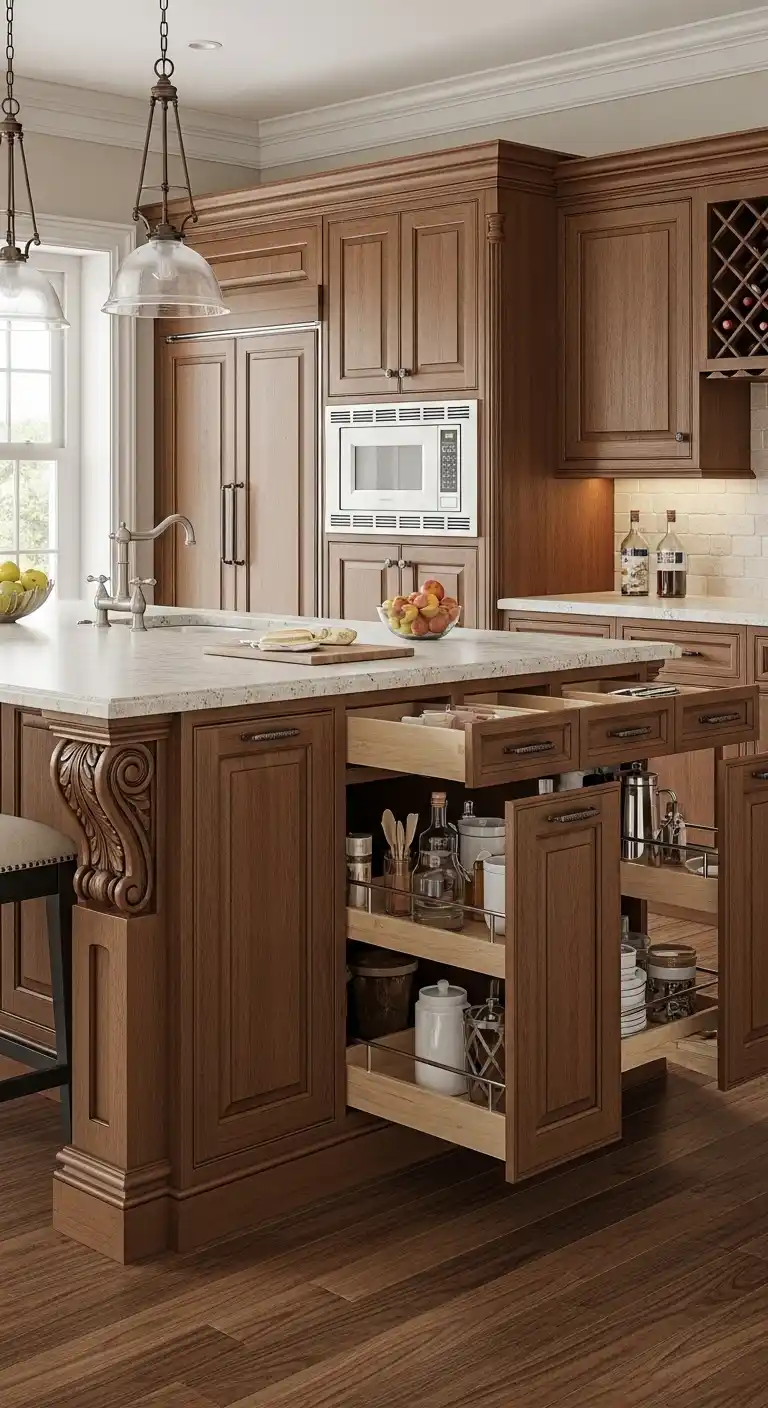
Kitchen islands featuring colonial-style cabinets create a central focal point that combines storage, seating, and workspace efficiently.
These cabinets often include drawers, pull-out shelves, or open shelving, providing practical solutions for utensils, cookware, or pantry items.
Colonial detailing, like decorative panels, raised edges, or carved corbels, enhances visual appeal while reinforcing a traditional aesthetic.
Island cabinets also accommodate modern conveniences, such as built-in microwaves or wine racks, without compromising the elegance or heritage-inspired charm.
By combining function and style, island cabinets encourage interaction, efficient workflow, and a cohesive colonial-inspired design throughout the kitchen space.
18. Corner Hutch-Style Cabinets: Showcasing Heritage and Functionality
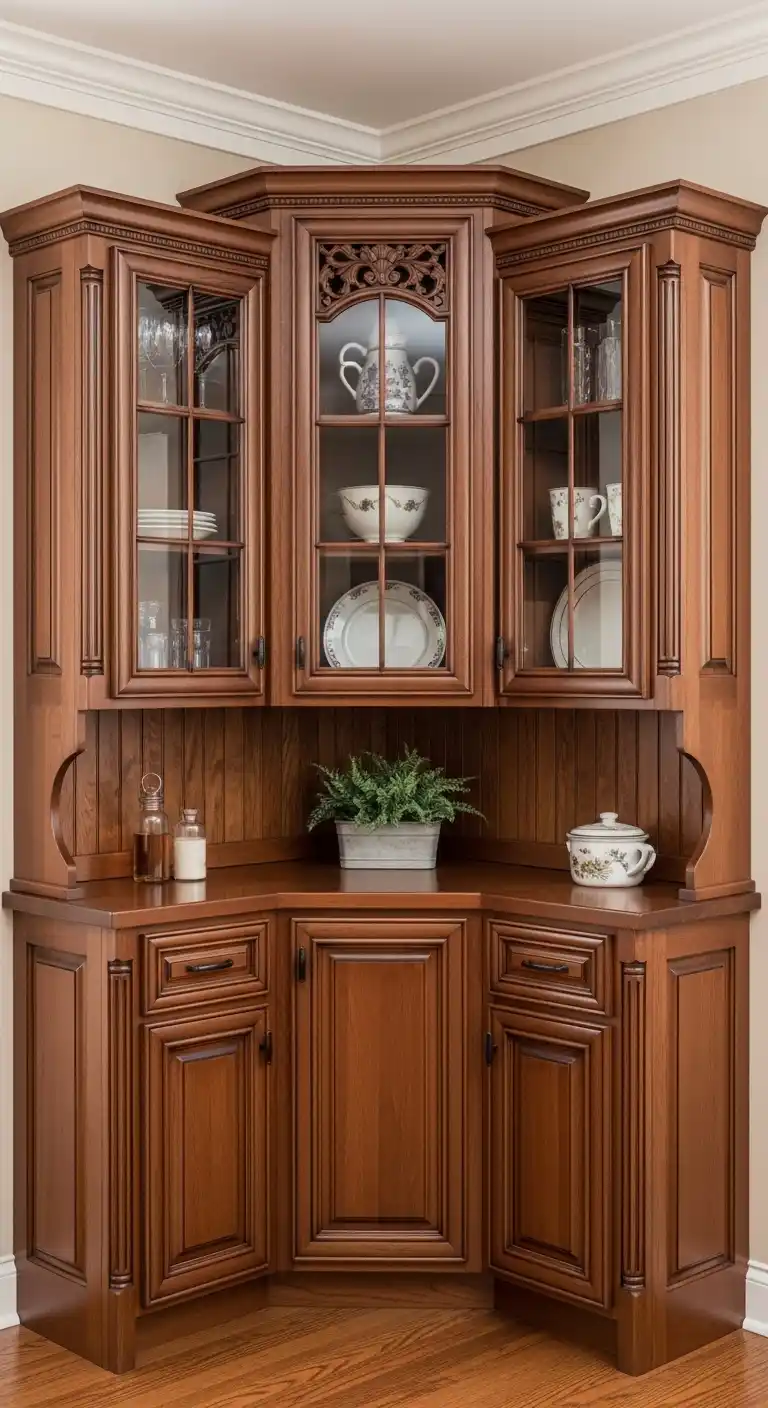
Hutch-style corner cabinets provide a dual function of storage and display, highlighting decorative items while organizing kitchen essentials efficiently.
These cabinets often feature upper glass-front doors for display and lower closed compartments for concealed storage, merging elegance with practicality.
The design emphasizes vertical space, drawing the eye upward and enhancing visual interest in both large and smaller kitchens.
Decorative accents, including molding or carved panels, maintain the traditional colonial aesthetic, ensuring the hutch serves as both functional furniture and architectural feature.
By integrating hutch-style corner cabinets, homeowners achieve efficient storage without sacrificing style, celebrating both heritage and modern convenience.
19. Modern Adaptation of Traditional Design
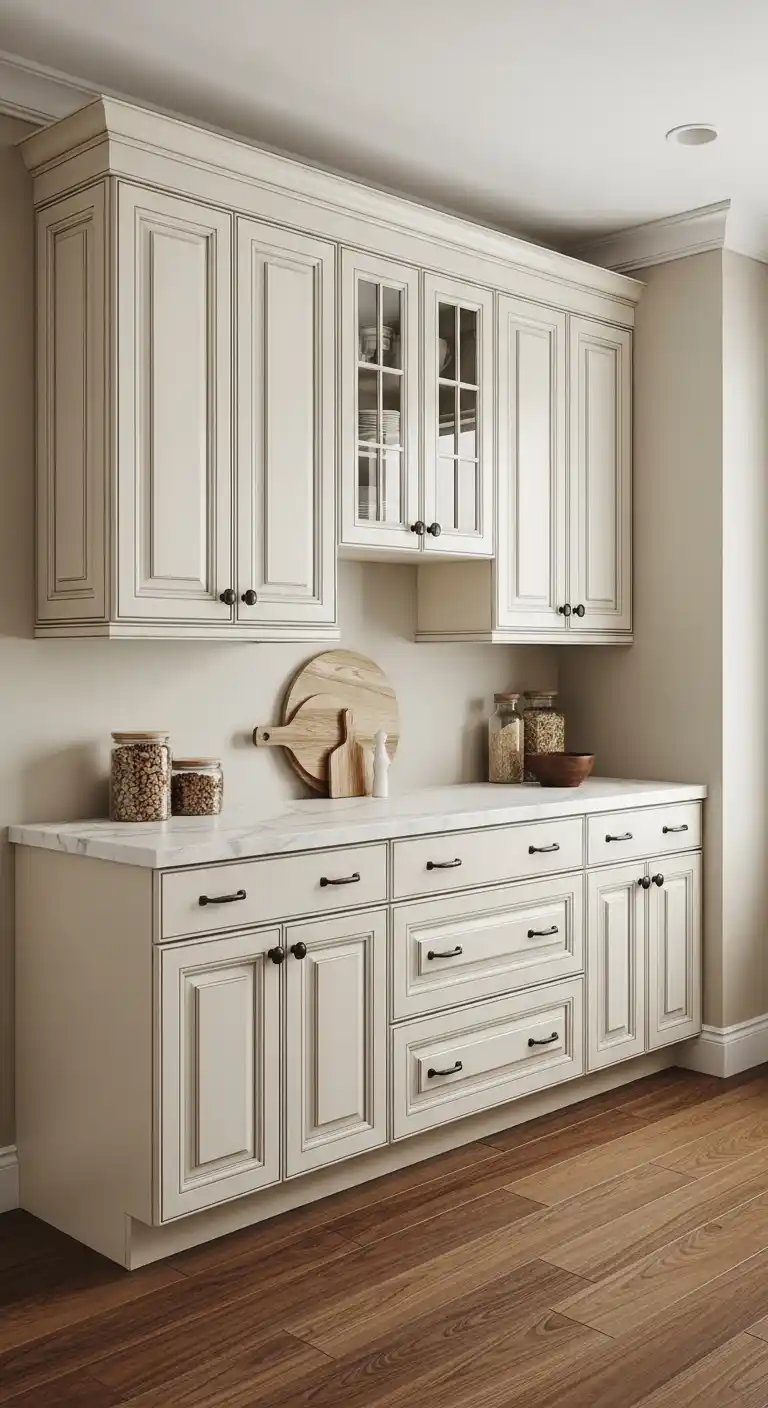
Floating colonial cabinets bring a contemporary twist to historical designs, creating open, airy kitchen layouts while retaining classic elements.
By mounting cabinets above counters without touching the floor, homeowners can highlight flooring, add lighting, and maintain a spacious appearance.
These cabinets often incorporate traditional finishes, raised panels, or decorative hardware to preserve a colonial-inspired aesthetic while embracing modern design principles.
Floating cabinets work exceptionally well in small kitchens, apartments, or open-plan spaces, creating a sense of depth and light while maximizing accessibility.
The combination of visual elegance, practical storage, and historical influence ensures that floating colonial cabinets offer both style and functionality for modern homeowners.
Unique Considerations for Choosing Colonial Kitchen Cabinets
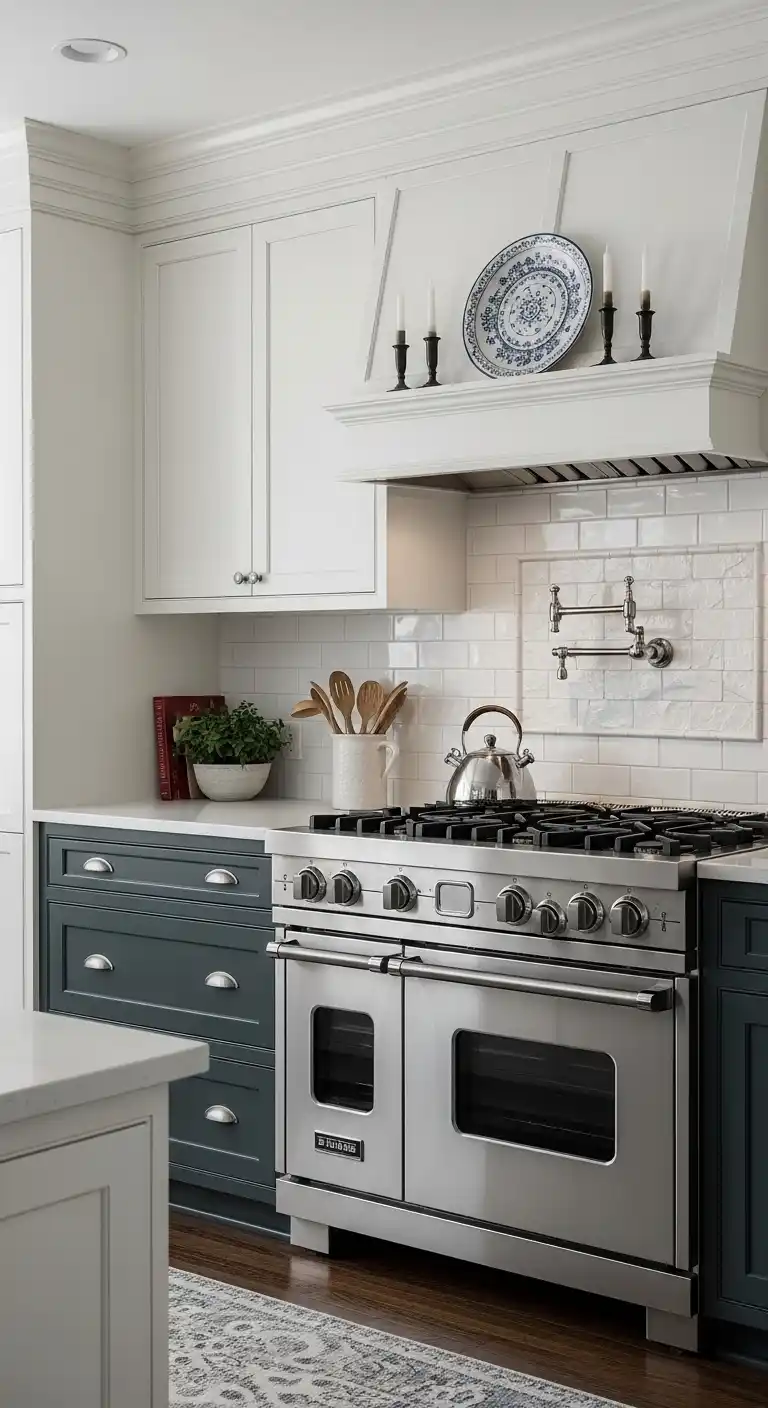
Choosing the right colonial kitchen cabinets requires consideration of kitchen size, lighting, and appliance placement to maintain balance and efficiency.
Homeowners should evaluate how cabinet style influences workflow, ensuring storage solutions support daily cooking, preparation, and organization needs.
Hardware, such as knobs, pulls, and hinges, must complement cabinet finishes to preserve a cohesive and historically respectful design.
Considering materials, colors, and layout together helps homeowners achieve a functional kitchen that combines traditional charm with modern practicality.
Integrating decorative and functional elements thoughtfully ensures colonial kitchen cabinets enhance both aesthetics and usability without compromising style or convenience.
Tips for Maintaining and Preserving Colonial Kitchen Cabinets
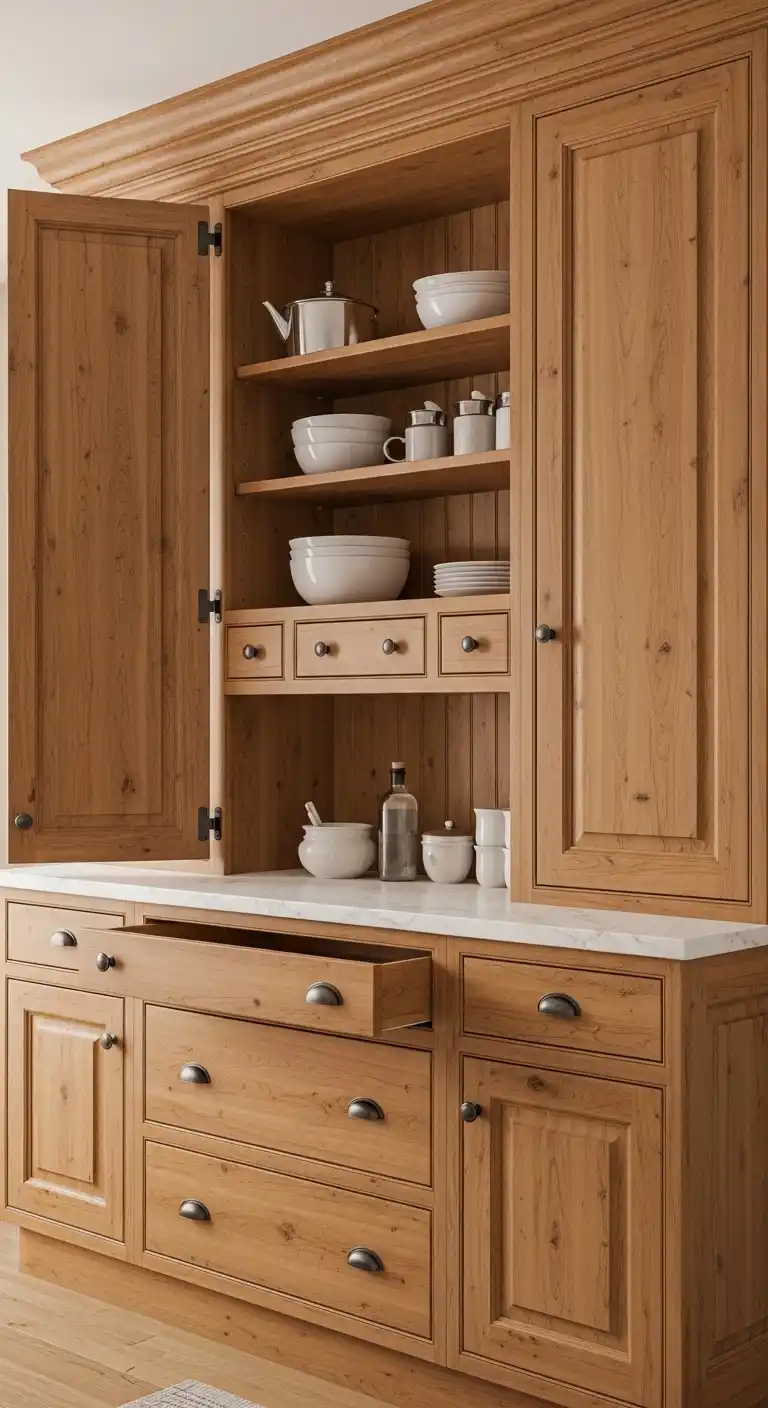
Proper maintenance ensures colonial kitchen cabinets retain their beauty, functionality, and historical charm for many years in daily kitchen use.
Regular dusting and gentle cleaning with non-abrasive solutions prevent dirt buildup while protecting wood surfaces from scratches and discoloration.
Applying wood polish periodically enhances natural grain patterns, preserves color, and adds a subtle sheen that emphasizes craftsmanship and design elegance.
Monitoring hinges, knobs, and drawers prevents wear or misalignment, ensuring doors open smoothly and storage remains convenient and efficient.
Homeowners should also avoid prolonged moisture exposure and direct sunlight to prevent warping or fading, keeping cabinets functional and visually appealing over time.
Budgeting for Colonial Kitchen Cabinets Without Sacrificing Style
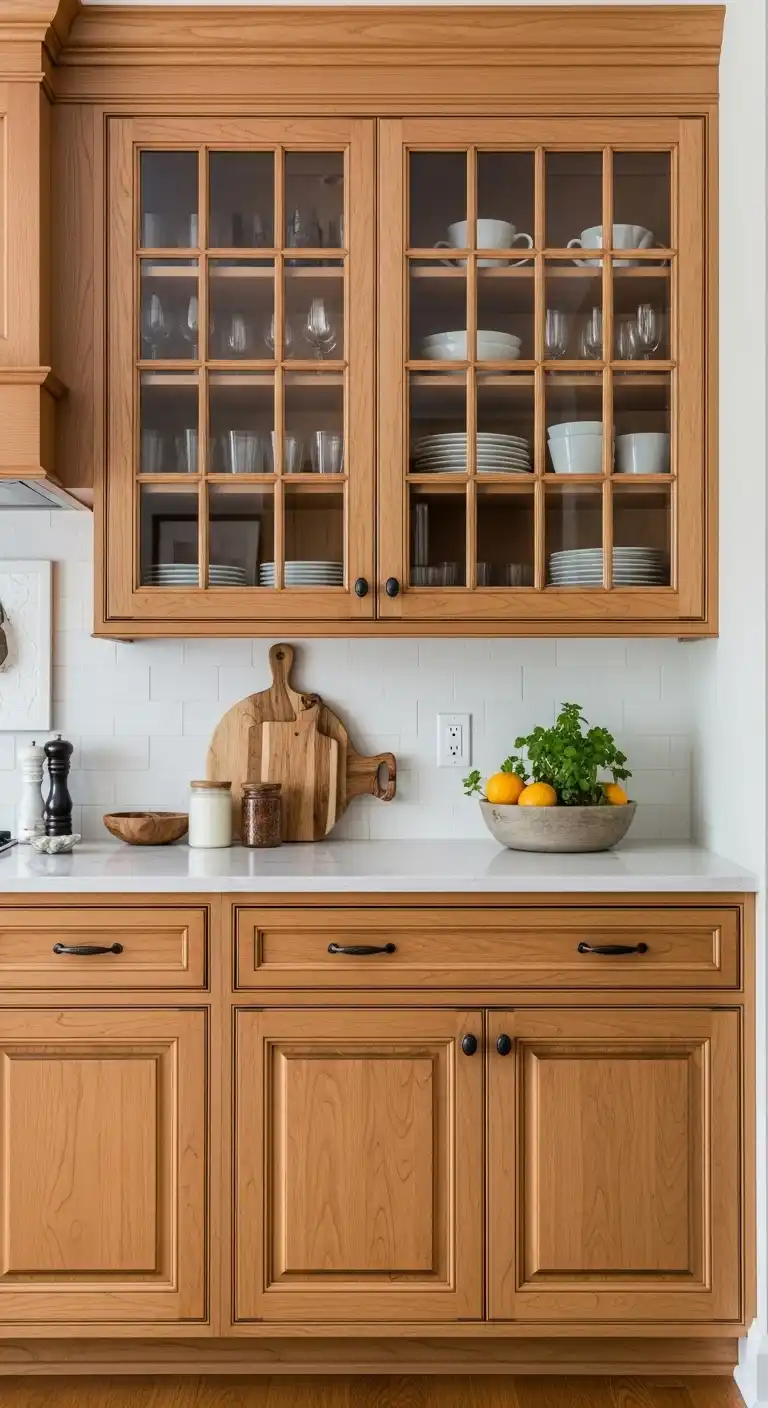
Budgeting for colonial kitchen cabinets requires balancing material quality, craftsmanship, and finish choices to achieve a lasting and visually appealing design.
Custom-built cabinets offer precision and unique detailing, while pre-made options provide affordability with style compromises, depending on design complexity and material selection.
Selecting durable hardwoods may cost more initially but ensures longevity, reducing the need for frequent repairs or replacements over time.
Homeowners can prioritize key elements, such as quality hinges, hardware, and finishes, while economizing on secondary features to maintain a cohesive look.
Careful planning ensures that every dollar spent enhances both functionality and aesthetic appeal, allowing kitchens to remain beautiful and practical for decades.
Final Wrap-Up
Colonial kitchen cabinets offer an unparalleled combination of elegance, functionality, and historical charm, enhancing both small and spacious kitchen environments.
From Shaker-style simplicity to glass-front displays, rustic textures, or painted two-tone finishes, each design choice reflects personal taste and kitchen requirements.
Maintaining cabinets through proper cleaning, careful handling, and periodic polishing ensures their longevity and preserves the heritage-inspired aesthetic.
By studying real-life examples and considering modern functionality, homeowners can create kitchens that honor tradition while adapting to contemporary lifestyle needs.
Ultimately, investing in colonial kitchen cabinets allows you to enjoy a timeless, organized, and visually captivating space that balances history, style, and practicality effortlessly.