Fruit and Vegetable Storage Ideas: 21 Space-Saving Designs

Tired of fruits and veggies going bad too soon? Discover Fruit and Vegetable Storage Ideas that keep everything fresh, tidy, and within easy reach.
Storing fruits and vegetables properly can make a huge difference in both freshness and flavor.
Many people overlook simple storage tricks, which often leads to unnecessary food waste and frustration in the kitchen.
With a few practical techniques, you can extend the shelf life of your favorite produce while keeping your kitchen organized.
In this guide, we will explore 21 creative fruit and vegetable storage ideas that are easy to implement in everyday life.
We will also share unique tips on keeping produce crisp, flavorful, and ready for meals without complicated routines.
From simple containers to clever space-saving hacks, there are ideas here for every kitchen size and lifestyle.
Whether you shop weekly or daily, these strategies can help you save money and enjoy fresher food.
By the end, you’ll feel confident about maintaining a vibrant, well-stocked kitchen with minimal effort.
Why Proper Fruit and Vegetable Storage Matters
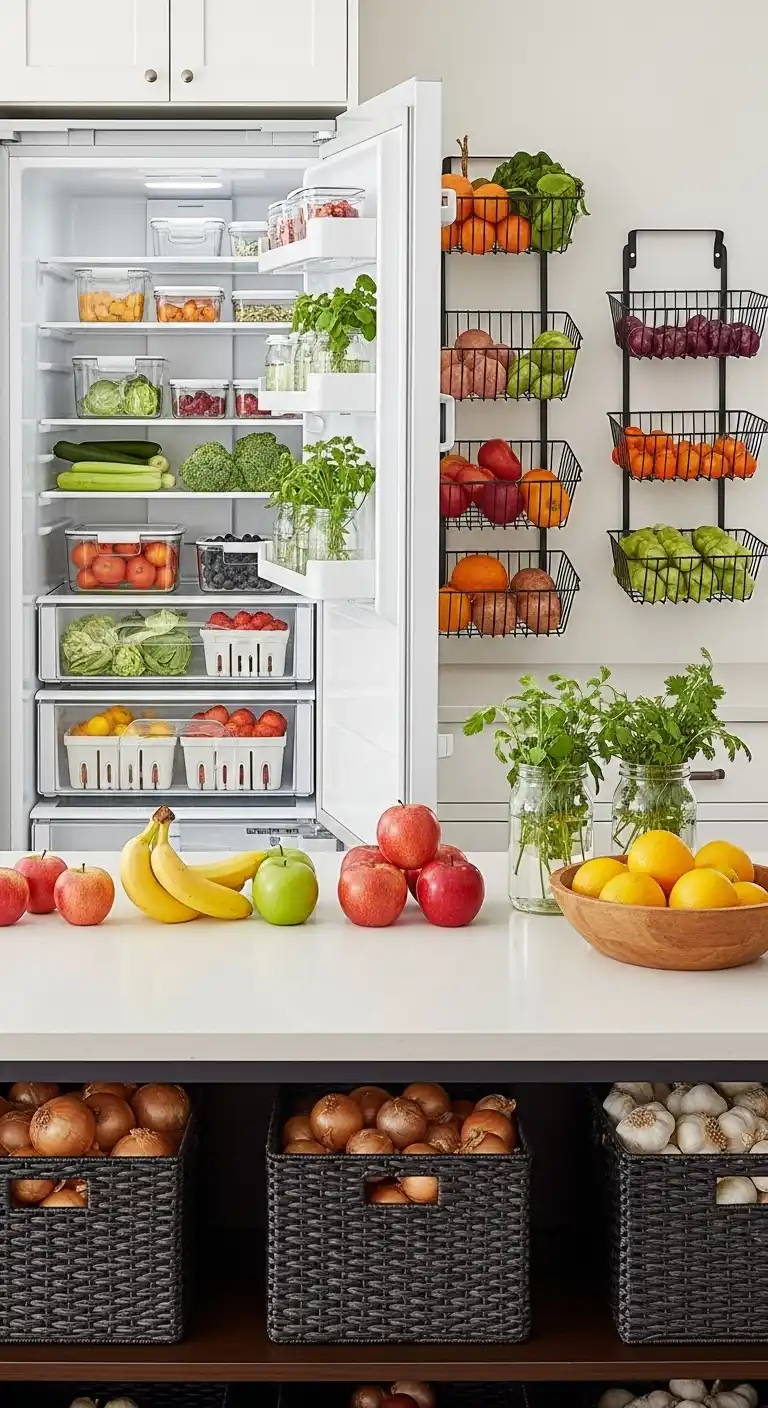
Proper fruit and vegetable storage preserves nutrients, flavor, and texture for a longer time, making meals tastier and healthier.
When produce is stored incorrectly, it can spoil faster, leading to waste and unnecessary expense.
Fresh, properly stored fruits and vegetables also make meal preparation more convenient because everything stays ready to use.
Understanding the needs of different produce types, such as temperature and humidity requirements, is essential for maintaining their quality.
By keeping fruits and vegetables in the right conditions, you can enjoy crisp greens, juicy berries, and flavorful root vegetables every day.
Organized storage also reduces clutter in the fridge and pantry, making your kitchen feel more spacious and functional.
Common Mistakes in Storing Produce You Should Avoid
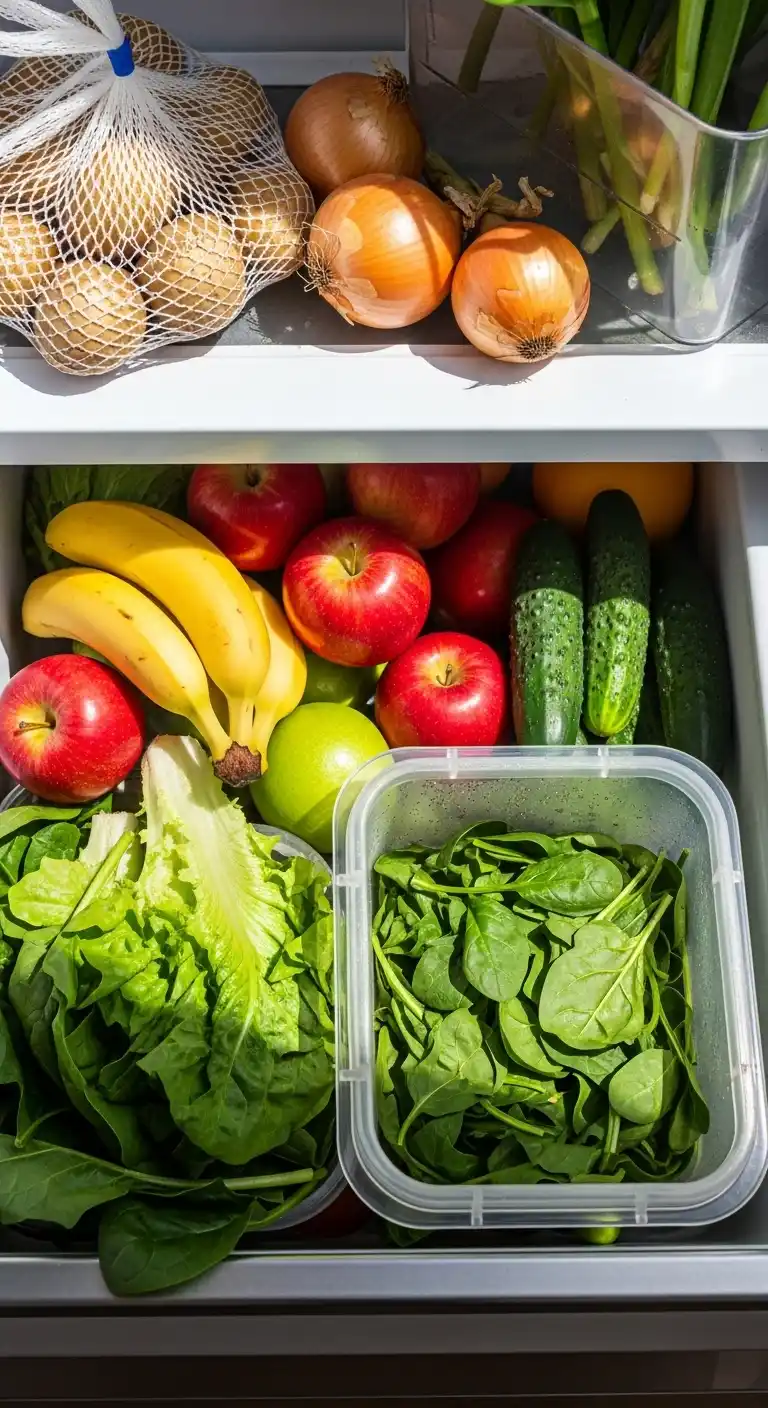
One common mistake is storing ethylene-producing fruits like apples near sensitive vegetables, causing premature spoilage.
Another frequent error is overpacking refrigerator drawers, which reduces airflow and accelerates decay.
Many people store leafy greens in airtight containers without moisture control, making them wilt and lose crunch quickly.
Leaving root vegetables in direct sunlight or warm areas can also shorten their shelf life and affect texture.
By recognizing these pitfalls, you can adjust storage practices to keep produce fresher and reduce unnecessary food waste.
Simple awareness of these common mistakes often leads to immediate improvements in produce longevity and kitchen efficiency.
21 Fruit and Vegetable Storage Ideas
1. Use Mesh Produce Bags to Extend Freshness
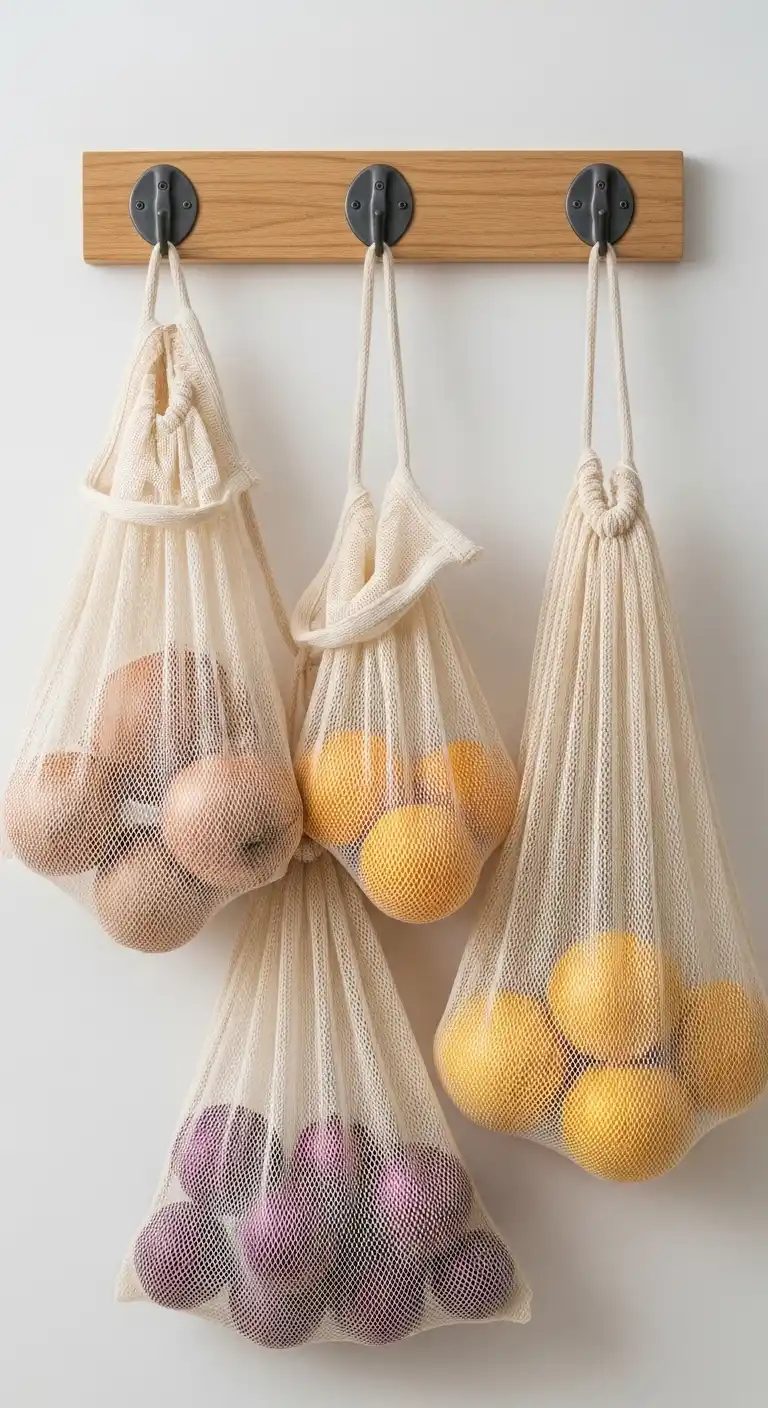
Mesh produce bags provide excellent airflow around fruits and vegetables, preventing moisture buildup that accelerates spoilage.
Items like onions, citrus fruits, and small root vegetables benefit most from this breathable storage solution.
Unlike plastic bags that trap humidity, mesh bags allow excess water to evaporate, keeping produce dry and crisp.
They are lightweight, reusable, and easy to hang in a pantry or on hooks for easy access.
Mesh bags also make it simple to separate fruits from vegetables, which helps prevent ethylene-related spoilage.
Using these bags can significantly reduce waste while keeping your kitchen organized and visually appealing.
Investing in a set of mesh bags is a small change with noticeable benefits for everyday fruit and vegetable storage.
2. Store Root Vegetables in a Cool, Dark Place
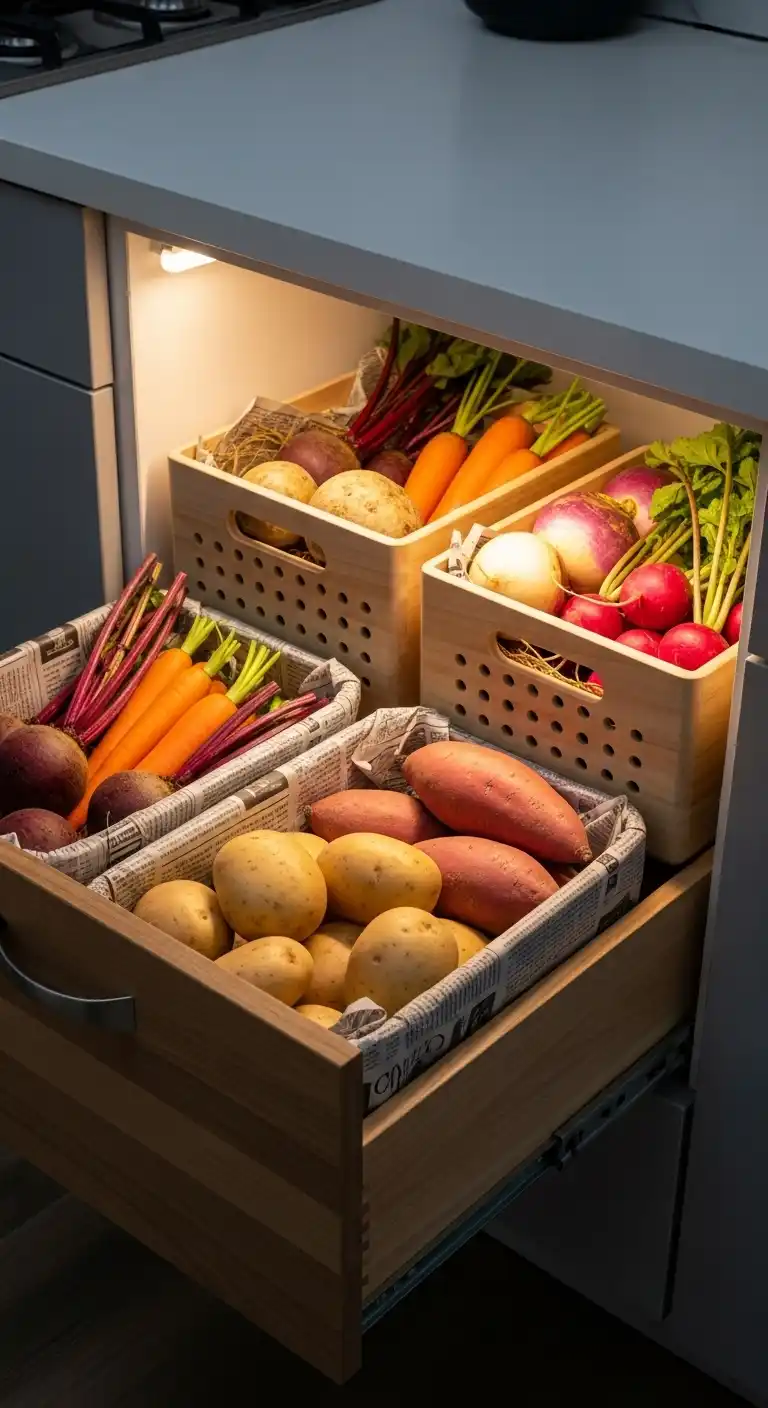
Root vegetables like carrots, beets, and potatoes last longer when stored in cool, dark environments.
Sunlight and warmth can trigger sprouting and accelerate decay, reducing both taste and nutrient value.
A pantry, cellar, or dedicated drawer with proper ventilation is ideal for maintaining texture and freshness.
To prevent excess moisture buildup, avoid sealing these vegetables in plastic bags or containers without airflow.
Layering root vegetables in straw, newspaper, or perforated boxes can help maintain optimal humidity and prevent rot.
Keeping vegetables like turnips, radishes, and sweet potatoes in a consistent, slightly humid environment prolongs usability.
This method allows you to enjoy flavorful, nutrient-rich produce for weeks without frequent trips to the store.
3. Keep Leafy Greens Fresh with Paper Towels
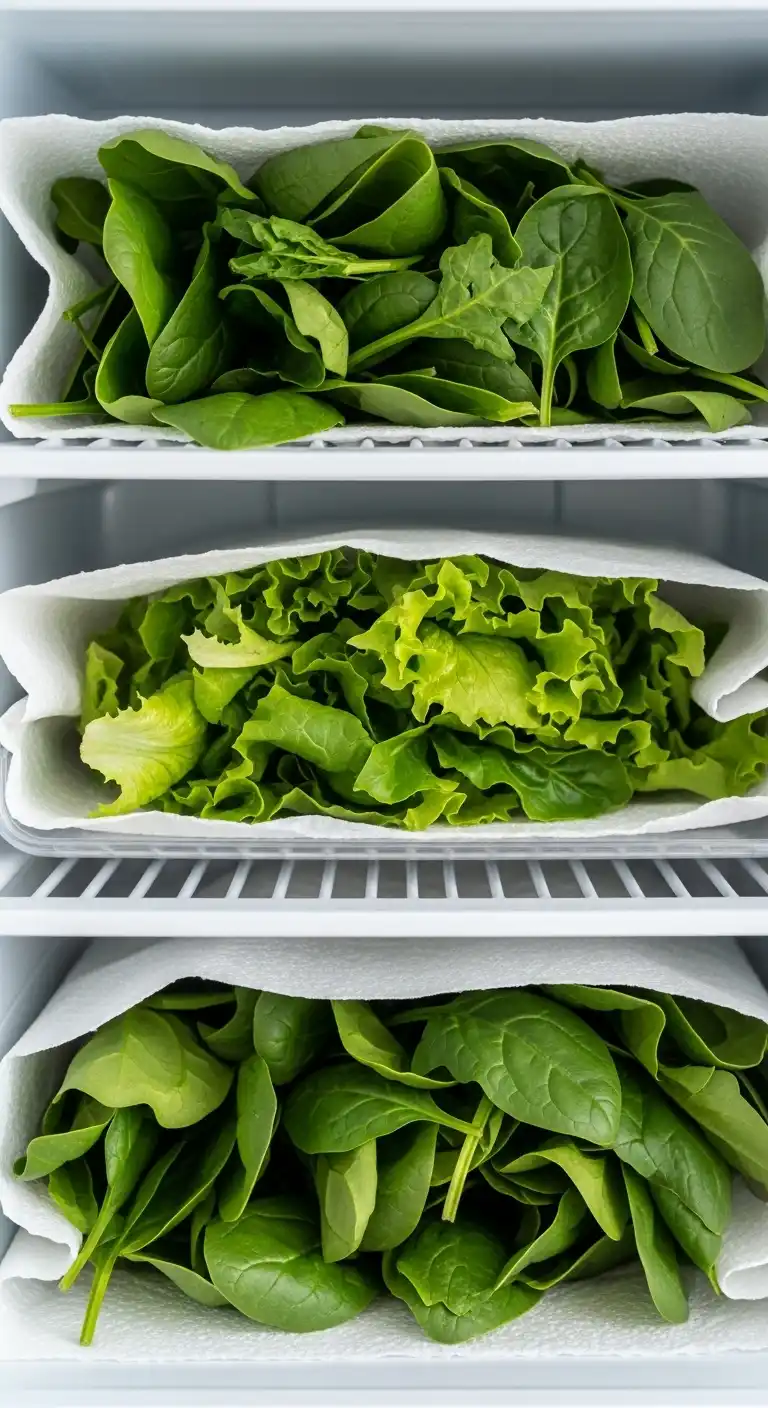
Leafy greens often spoil quickly because of trapped moisture inside storage containers.
Placing paper towels between layers of greens absorbs excess water, keeping leaves crisp and vibrant.
This technique works well for spinach, kale, lettuce, and other delicate greens.
After washing, pat the leaves dry and store them loosely in containers lined with a dry paper towel.
Replace the towel every few days if moisture builds up, preventing wilting and sliminess.
Using this simple trick reduces the need for frequent shopping and ensures your salads stay fresh longer.
Leafy greens stored this way maintain flavor, texture, and nutrient content, making them enjoyable for every meal.
4. Use Glass Containers Instead of Plastic
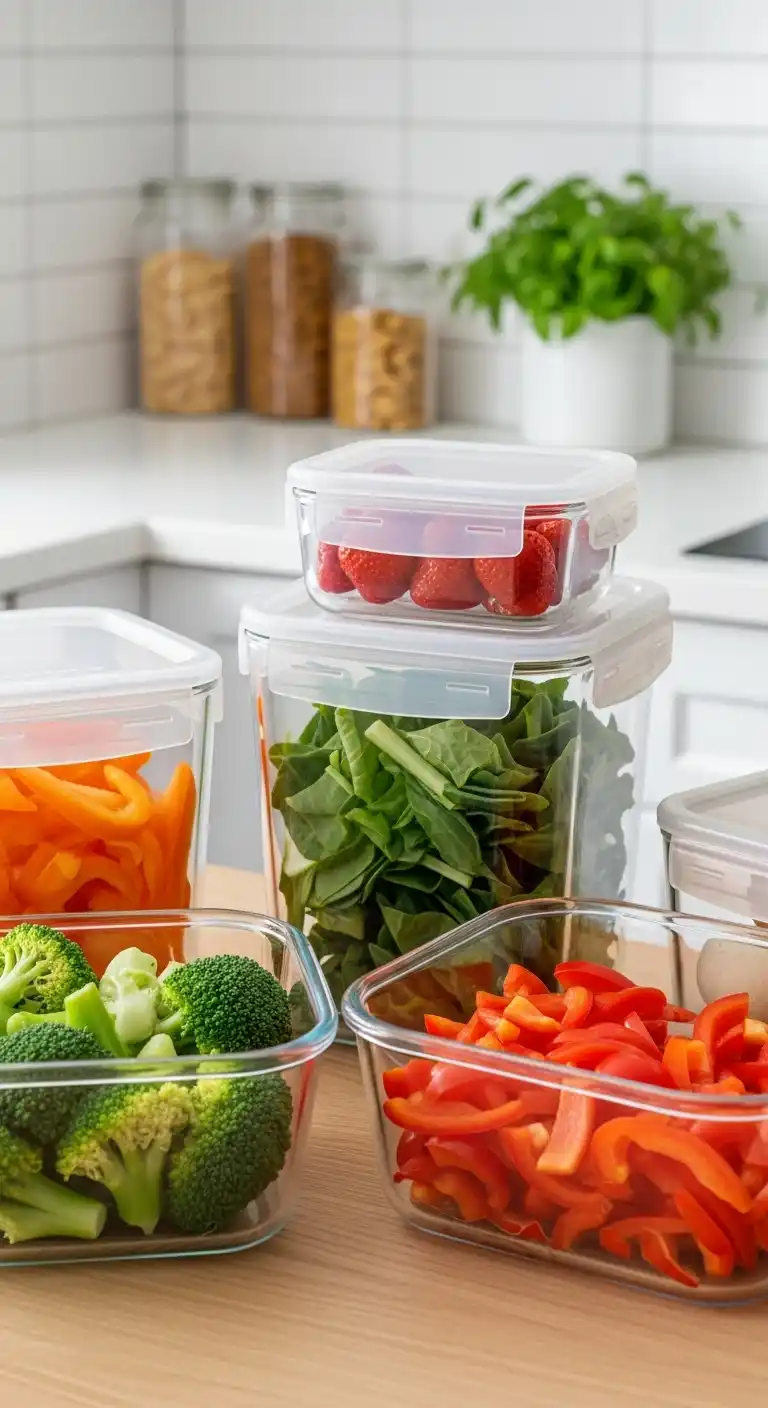
Glass containers provide a safe, non-reactive environment for storing fruits and vegetables.
Unlike plastic, glass does not absorb odors or leach chemicals, keeping produce fresh and natural.
Transparent containers make it easy to see what’s inside, reducing waste caused by forgotten items.
Glass storage is perfect for prepped vegetables, chopped fruits, or leftovers ready for quick meals.
Containers with tight-fitting lids help maintain moisture levels while still allowing minimal airflow to prevent sogginess.
Switching to glass also reduces environmental impact because these containers are reusable and long-lasting.
Organizing your kitchen with glass containers adds a clean, visually appealing aesthetic while improving produce longevity.
5. Hang Onions in Mesh or Net Bags
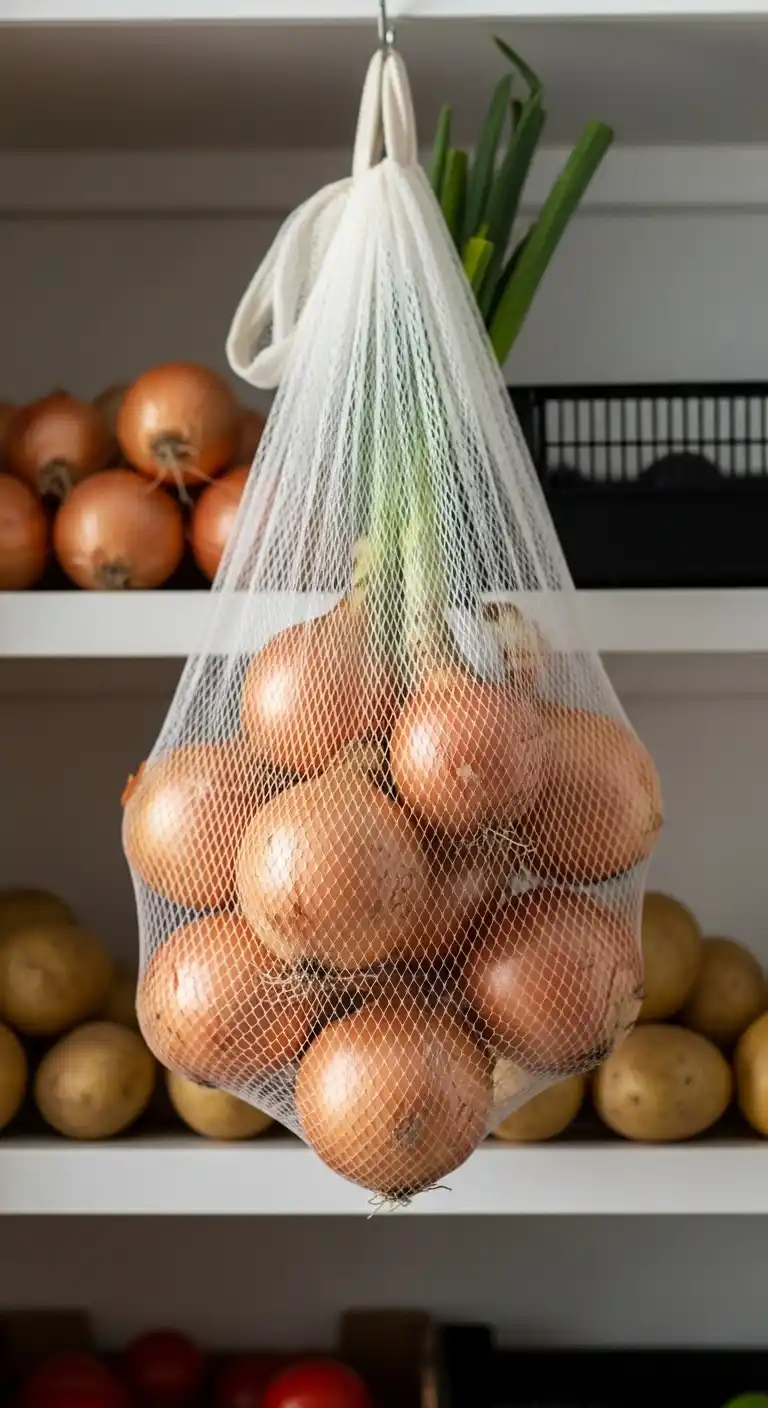
Hanging onions prevents moisture accumulation, sprouting, and mold formation, keeping them usable for longer periods.
A mesh bag or net allows air to circulate, which is essential for maintaining onion quality.
This method also saves counter and pantry space, making it easier to organize other produce.
Avoid storing onions near potatoes or fruits that emit ethylene, as this can lead to faster spoilage.
Hanging onions in a cool, dry location ensures that they retain flavor and texture for weeks.
You can also easily see when supplies are running low, preventing over-purchasing or waste.
This simple approach combines functionality with efficient storage for one of the kitchen’s most essential vegetables.
6. Use the Crisper Drawer Effectively
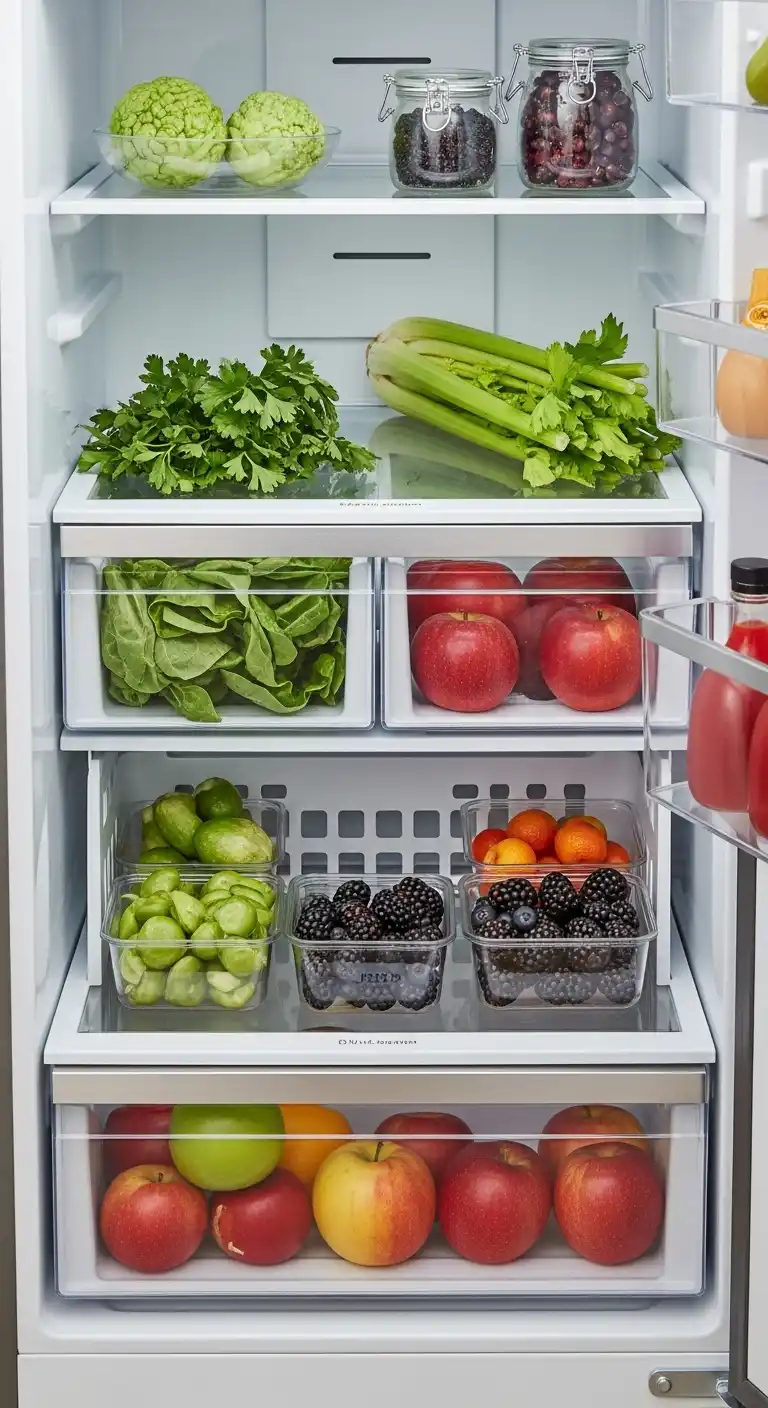
Refrigerator crisper drawers are designed to control humidity, which helps maintain produce freshness longer.
High-humidity drawers are ideal for leafy greens, celery, and herbs that wilt quickly without moisture.
Low-humidity drawers work best for fruits like apples, grapes, and berries that spoil in moist conditions.
Separate ethylene-producing items from sensitive vegetables to avoid premature ripening or decay.
Organizing produce by drawer type reduces clutter and ensures that each item stays crisp and flavorful.
Adjusting your crisper drawer settings according to the type of produce stored can greatly extend its shelf life.
Consistent use of this method results in fresher meals, less waste, and a more efficient kitchen overall.
7. Separate Ethylene-Producing Fruits from Sensitive Vegetables
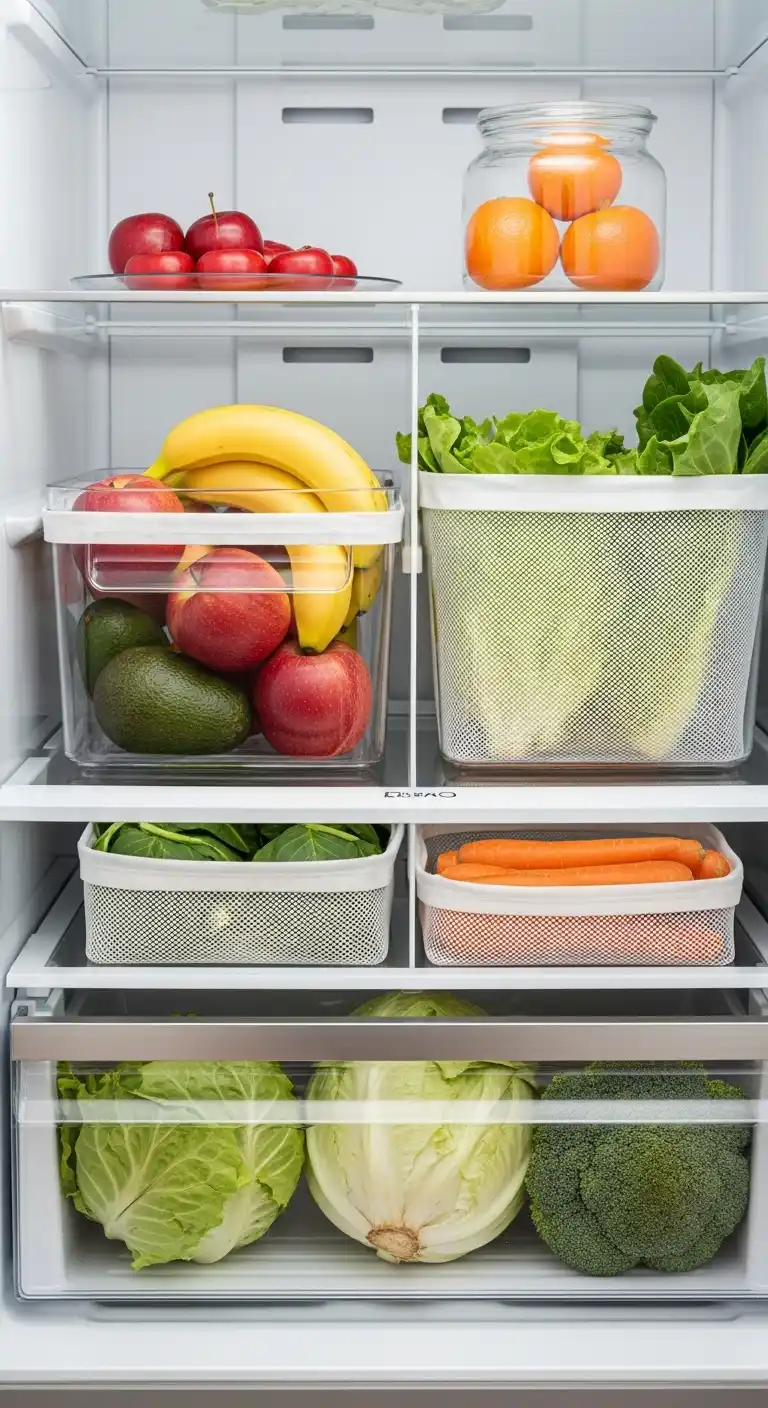
Some fruits, like apples, bananas, and avocados, emit ethylene gas that accelerates ripening.
When stored near ethylene-sensitive vegetables such as lettuce, carrots, or broccoli, these vegetables spoil faster.
To prevent this, keep fruits and vegetables in separate drawers, baskets, or containers.
Using small bins or mesh bags helps create natural separation and improves airflow around produce.
Being mindful of ethylene interactions can save money, reduce waste, and keep meals tasting fresher longer.
This strategy also encourages better organization in the refrigerator, making it easier to find what you need quickly.
By adopting this simple storage habit, you can maintain both fruit and vegetable quality throughout the week.
8. Wrap Herbs in Damp Paper Towels
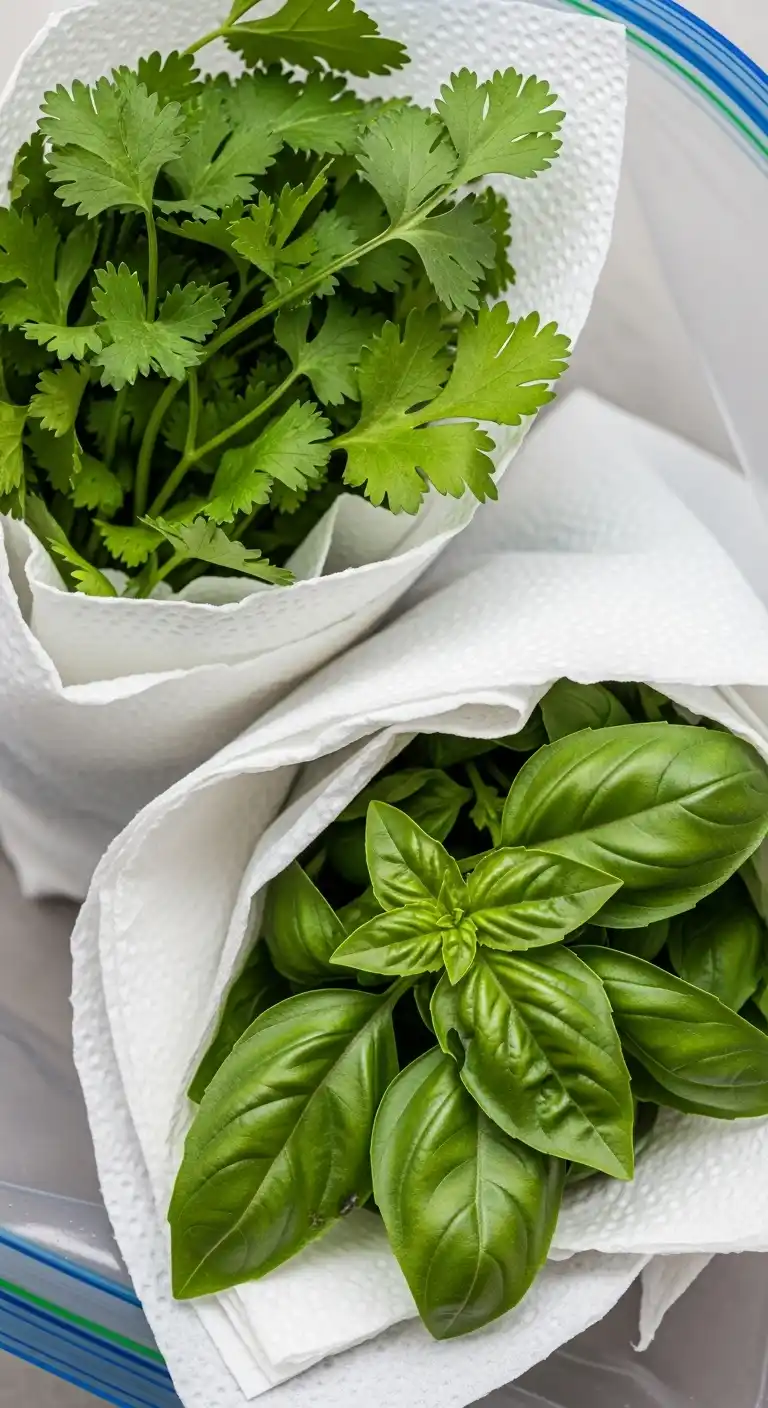
Fresh herbs like cilantro, parsley, and basil often lose their crispness quickly if stored incorrectly.
Wrapping herbs in lightly damp paper towels helps maintain humidity without making them soggy or prone to mold.
After wrapping, place the herbs loosely inside a container or a resealable bag, leaving a small opening for airflow.
This method slows down wilting and preserves flavor, allowing herbs to stay vibrant for days longer than usual.
For extra convenience, you can store prepped herbs in glass jars with a little water at the bottom to prolong freshness.
Rotating paper towels every few days ensures optimal moisture control and prevents bacterial growth.
By using this approach, you’ll have fresh, flavorful herbs ready for garnishing meals or adding to recipes whenever needed.
9. Store Berries in Shallow Containers
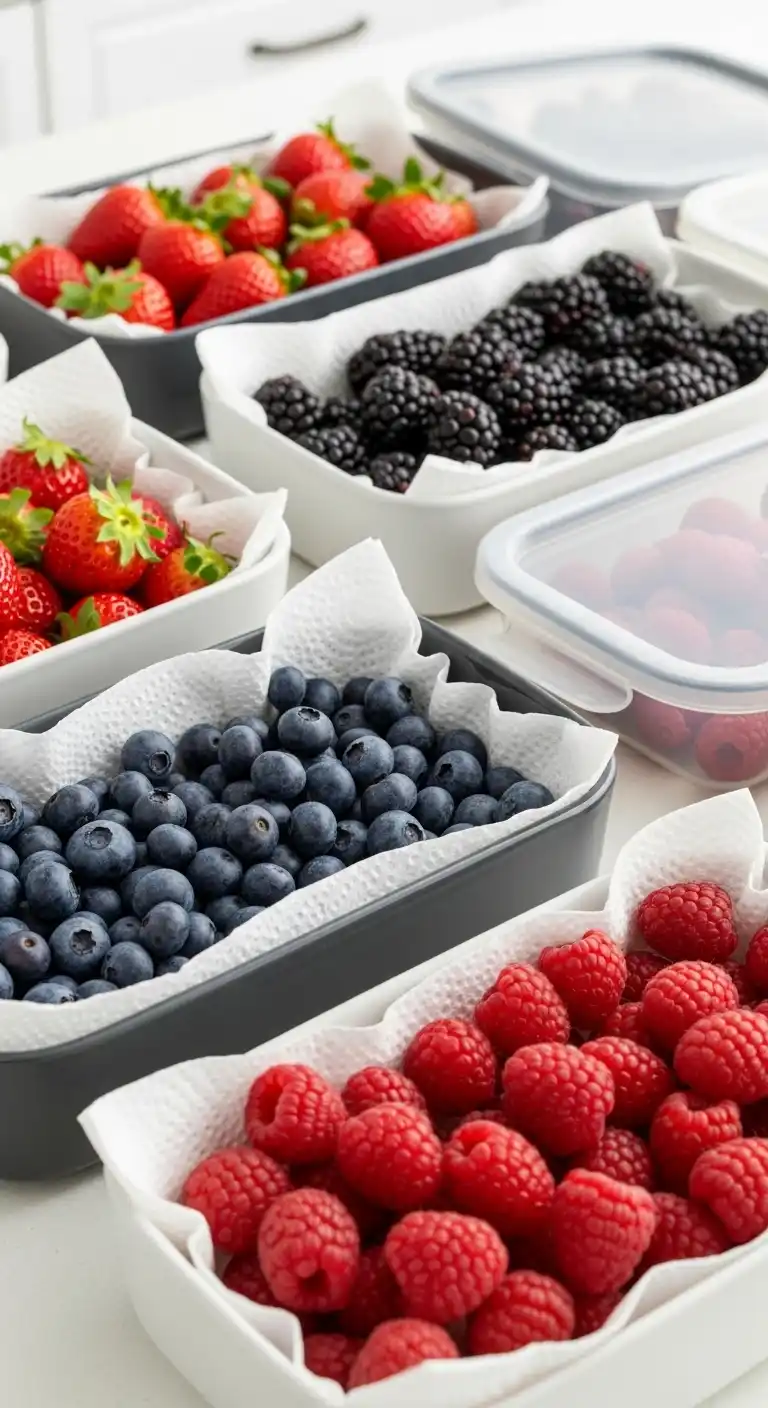
Berries are delicate and bruise easily, so storing them in shallow containers prevents crushing and maintains freshness.
Layer berries gently without packing them tightly, and avoid washing them until just before consumption.
Excess moisture causes mold, so consider placing a paper towel at the bottom to absorb condensation.
Containers with breathable lids or slight openings help keep berries dry while allowing air circulation.
Using shallow storage also makes it easier to see what’s available, reducing the risk of letting fruit go bad unnoticed.
Storing different berry types separately prevents stronger flavors from affecting the taste of more delicate varieties.
Following this method ensures that strawberries, blueberries, raspberries, and blackberries remain juicy, flavorful, and ready to eat.
10. Freeze Excess Produce Properly
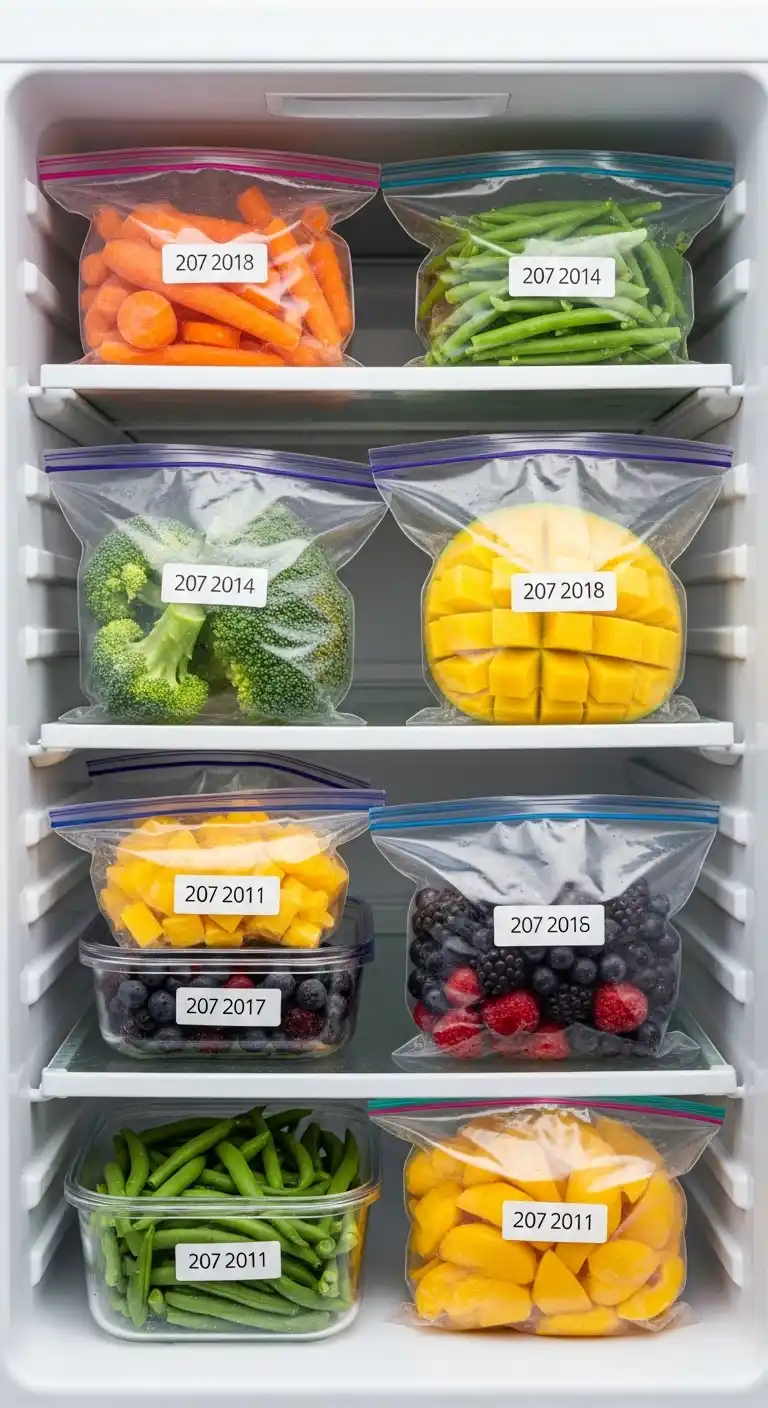
Freezing is an excellent solution when you have more fruits or vegetables than you can consume in time.
Some vegetables, such as carrots, broccoli, or green beans, benefit from blanching before freezing to preserve nutrients and texture.
Fruits like berries, mangoes, and peaches can be frozen directly after washing and chopping for convenient use later.
Use airtight freezer bags or containers to prevent freezer burn and preserve flavor, labeling each item with the date.
Portioning produce into meal-sized amounts makes it easier to use and reduces waste when thawing.
Freezing also allows seasonal produce to be enjoyed year-round without sacrificing freshness or nutrition.
With proper preparation and storage, your freezer can become an organized and reliable source of ready-to-use produce.
11. Use Airtight Jars for Dried or Semi-Dried Produce
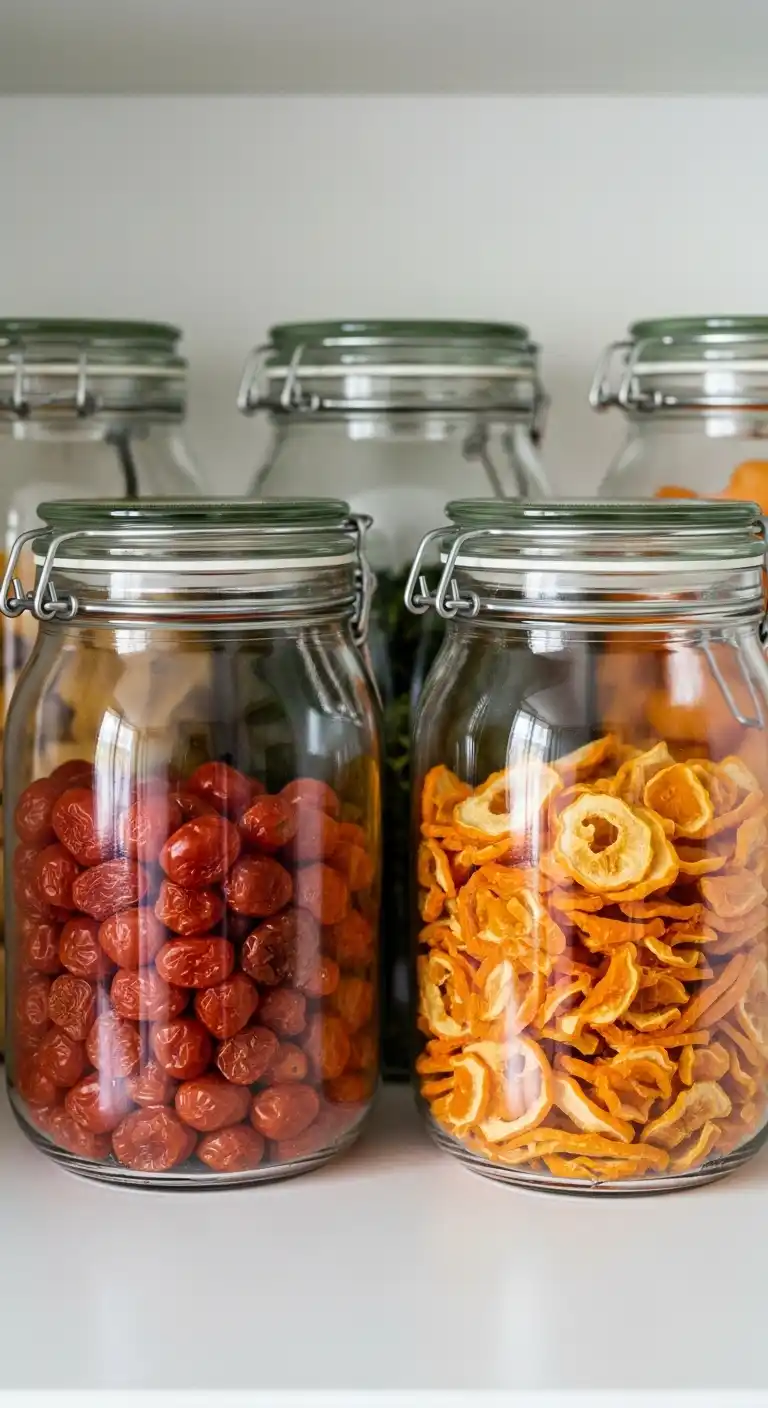
Dried fruits, cherry tomatoes, or partially dehydrated vegetables stay fresh longer when stored in airtight jars.
Glass jars with tight-fitting lids protect produce from moisture, pests, and strong odors from other foods.
They also make it easy to visually monitor contents, preventing forgotten or wasted items.
Store jars in a cool, dark place like a pantry or cupboard to preserve flavor and nutrient content.
This method works well for long-term storage, allowing you to keep seasonal items or leftovers ready for future use.
Using jars reduces the need for single-use plastic packaging, promoting sustainable storage practices in your kitchen.
Organizing dried produce in jars adds convenience, visibility, and a touch of style to your storage setup.
12. Invest in a Produce Keeper with Vents
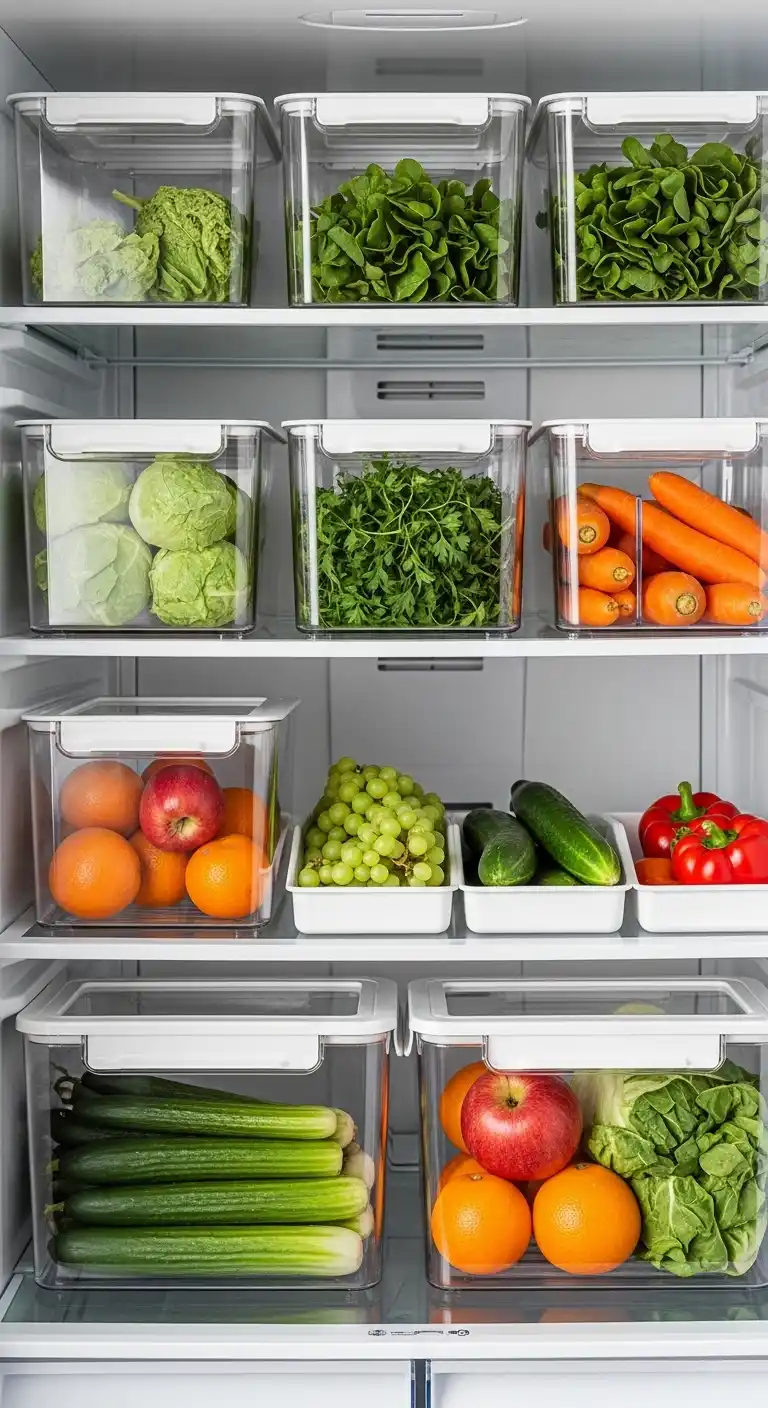
Produce keepers with adjustable vents allow you to control airflow, humidity, and moisture around stored fruits and vegetables.
These containers prevent condensation buildup, which often leads to rot and spoilage, especially in leafy greens.
You can adjust vents for different types of produce, creating ideal conditions for vegetables like carrots, cucumbers, and herbs.
Some containers come with removable trays or dividers, allowing you to separate fruits from vegetables for optimal freshness.
Using a produce keeper simplifies organization and reduces the need for constant monitoring of stored items.
This method is particularly useful for small kitchens or shared refrigerators, maximizing storage space efficiently.
With a produce keeper, fruits and vegetables remain crisp, flavorful, and ready for meals without unnecessary waste.
13. Store Citrus in a Mesh Basket or Refrigerator Drawer
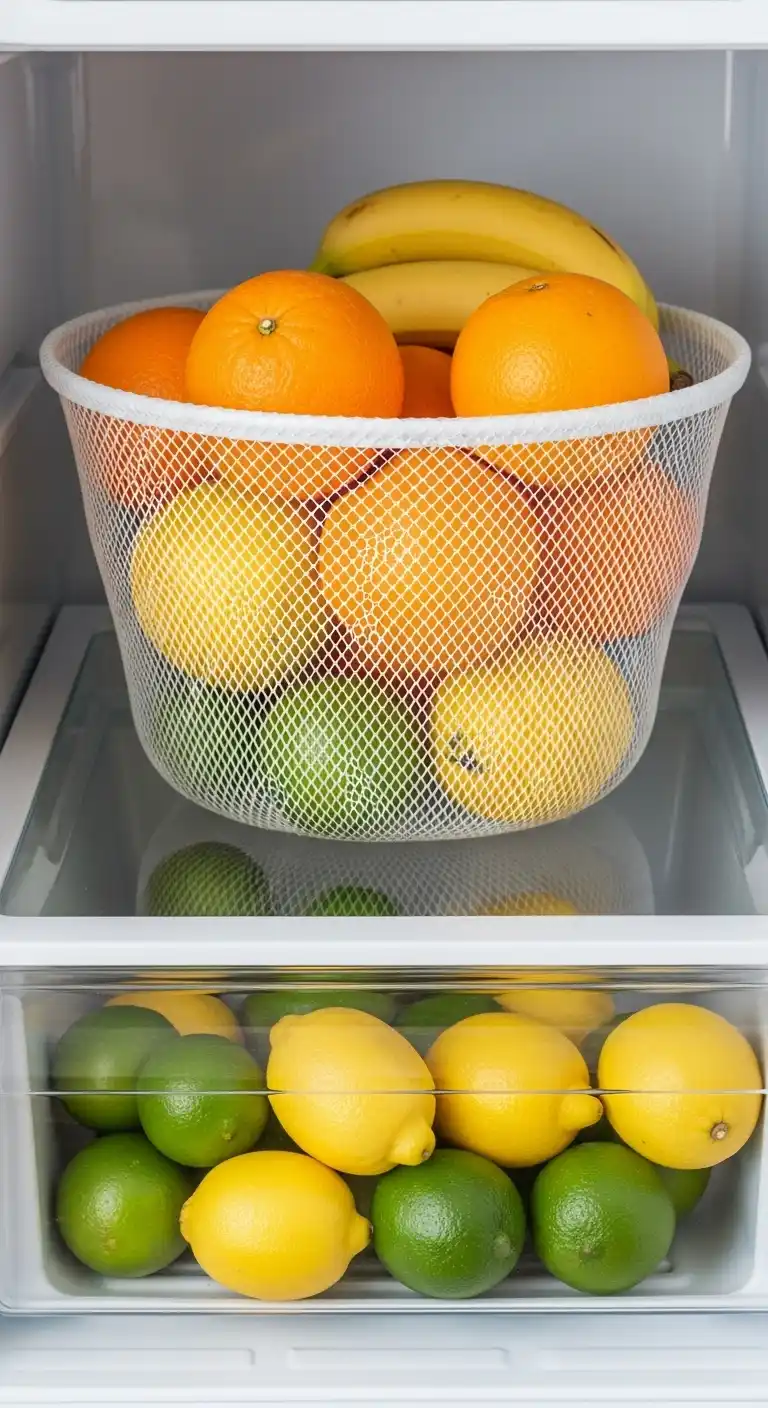
Citrus fruits, including oranges, lemons, and limes, last longer when stored in a breathable mesh basket or properly ventilated fridge drawer.
Air circulation prevents moisture buildup, which can lead to mold and soft spots on the skin.
Keeping citrus separate from ethylene-producing fruits like apples or bananas preserves their flavor and freshness.
If stored at room temperature, place them in a cool, dry spot away from direct sunlight for up to one week.
In the refrigerator, citrus can last several weeks while maintaining juiciness and vitamin content.
Organizing citrus this way also keeps your kitchen visually tidy and makes it easier to rotate and use older fruits first.
This simple strategy ensures your lemons, limes, and oranges stay flavorful and ready for everyday cooking or drinks.
14. Keep Garlic in a Well-Ventilated Container
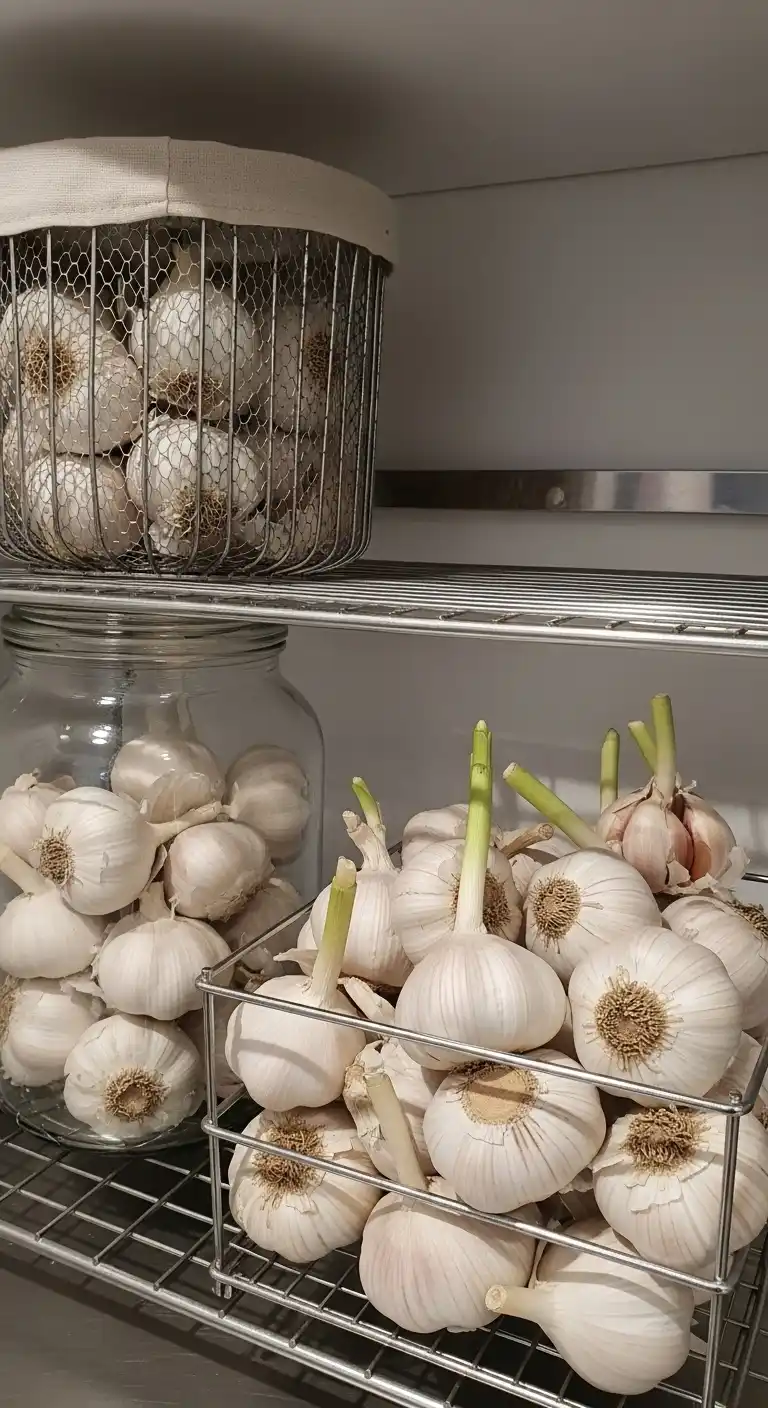
Garlic should be stored in a container that allows air to circulate, preventing mold growth and sprouting.
Mesh baskets, ceramic jars, or ventilated pantry racks work well for maintaining garlic’s quality over time.
Avoid sealing garlic in plastic or airtight containers, which trap moisture and encourage spoilage.
Storing garlic in a cool, dark place helps retain its pungent flavor and extends shelf life for weeks.
You can also separate cloves as needed while leaving bulbs intact to maximize freshness.
Properly stored garlic adds flavor to meals consistently without worrying about waste or deterioration.
This storage method combines simplicity, efficiency, and longevity for one of the most essential ingredients in any kitchen.
15. Try Root Cellar-Style Storage in a Pantry
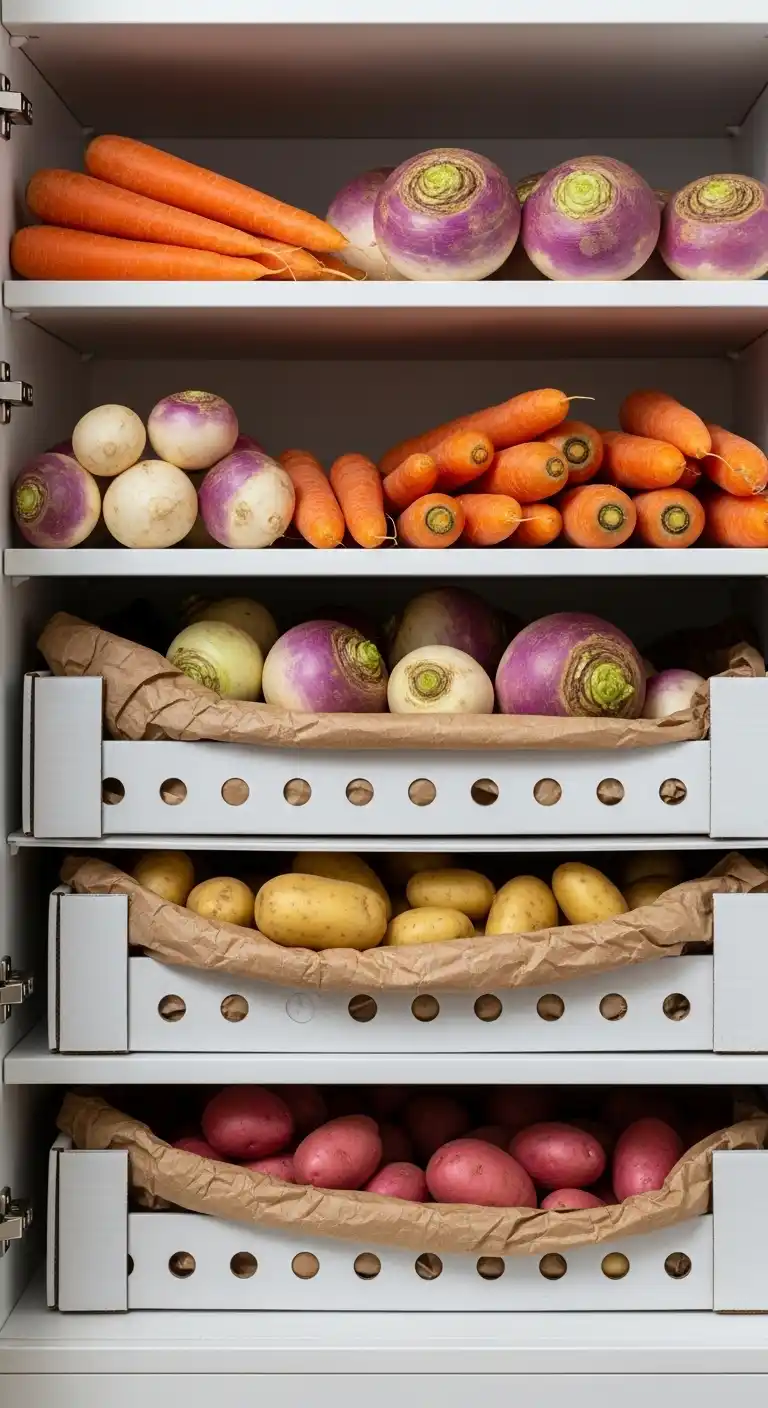
Root cellar-style storage recreates a cool, slightly humid environment ideal for winter vegetables like carrots, turnips, and potatoes.
A pantry, cupboard, or even a deep drawer can mimic these conditions with consistent temperature and minimal light exposure.
Layering vegetables in sand, paper, or perforated boxes helps maintain moisture and prevents rot over time.
This method reduces the need for frequent grocery trips while keeping root vegetables crisp and flavorful.
Avoid stacking too many items on top of each other, which can cause bruising and uneven airflow.
Regularly checking produce ensures you remove any spoiled items promptly, preventing contamination of surrounding vegetables.
Root cellar-style storage allows you to enjoy nutritious, ready-to-use produce for several weeks without sacrificing quality.
16. Use Egg Cartons for Small Fruit Storage

Egg cartons provide individual compartments, making them perfect for delicate small fruits like cherry tomatoes or grapes.
Separating fruit reduces bruising, prevents rolling, and keeps produce fresh longer without crushing.
This method is inexpensive, eco-friendly, and easy to implement in any kitchen or refrigerator.
You can also layer paper towels in the bottom of the carton to absorb excess moisture and maintain crispness.
Egg cartons make portioning convenient, especially for snack-ready fruits or meal prep ingredients.
Using this simple storage hack minimizes waste and keeps your kitchen organized with minimal effort.
This approach is practical for families, busy cooks, or anyone looking to extend fruit shelf life efficiently.
17. Repurpose Mason Jars for Prepped Produce
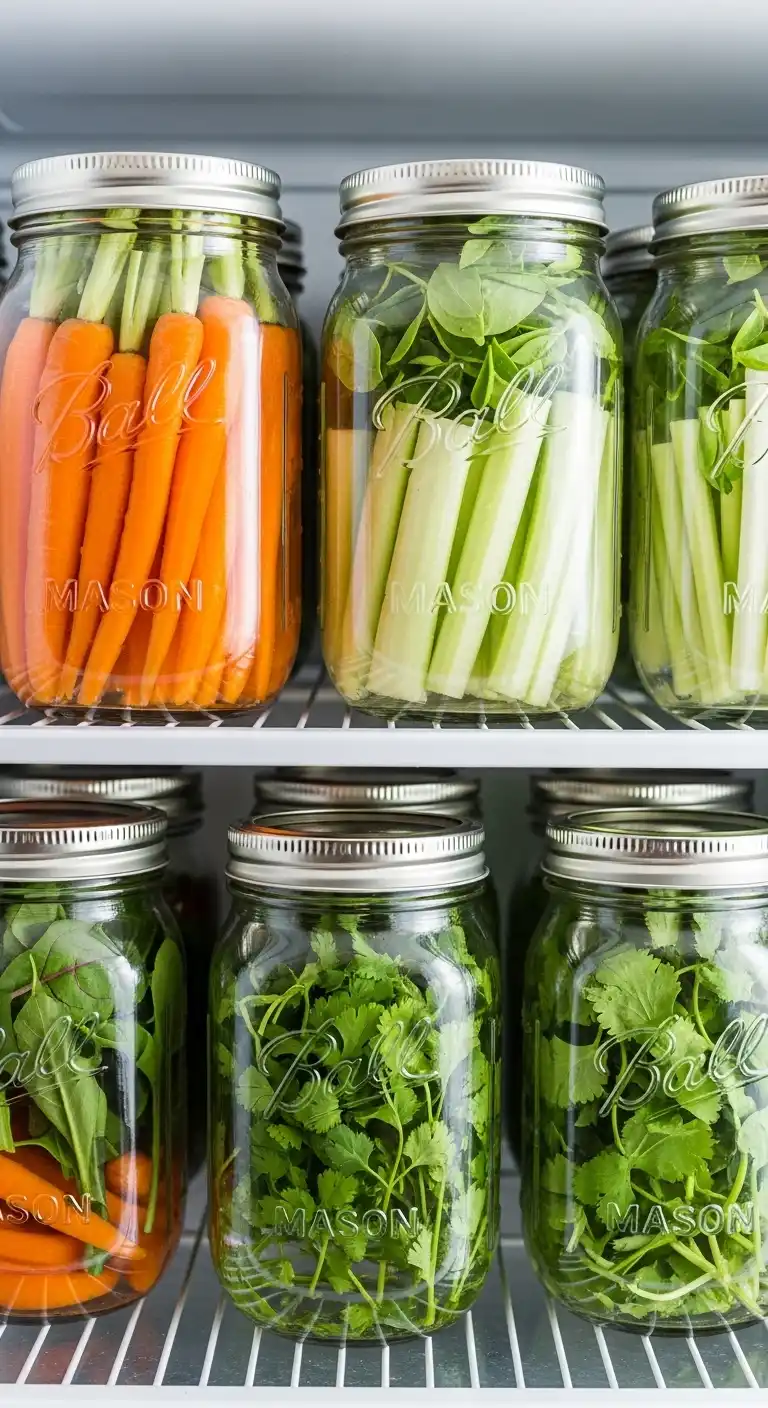
Mason jars are excellent for storing chopped vegetables or fruits in water to keep them crisp.
This method works well for carrots, celery sticks, or salad greens ready for quick meal prep.
The jars create a mini-fridge ecosystem, maintaining hydration while preventing wilting or flavor loss.
For herbs like cilantro or parsley, filling the jar with a small amount of water helps prolong freshness.
Using mason jars also saves counter space and allows you to see exactly what you have on hand.
Labeling jars with the date ensures older items are used first, reducing unnecessary waste.
This simple, eco-friendly hack keeps produce ready to grab-and-go while maintaining taste, texture, and nutrition.
18. Keep Avocados and Bananas at Room Temperature Until Ripe
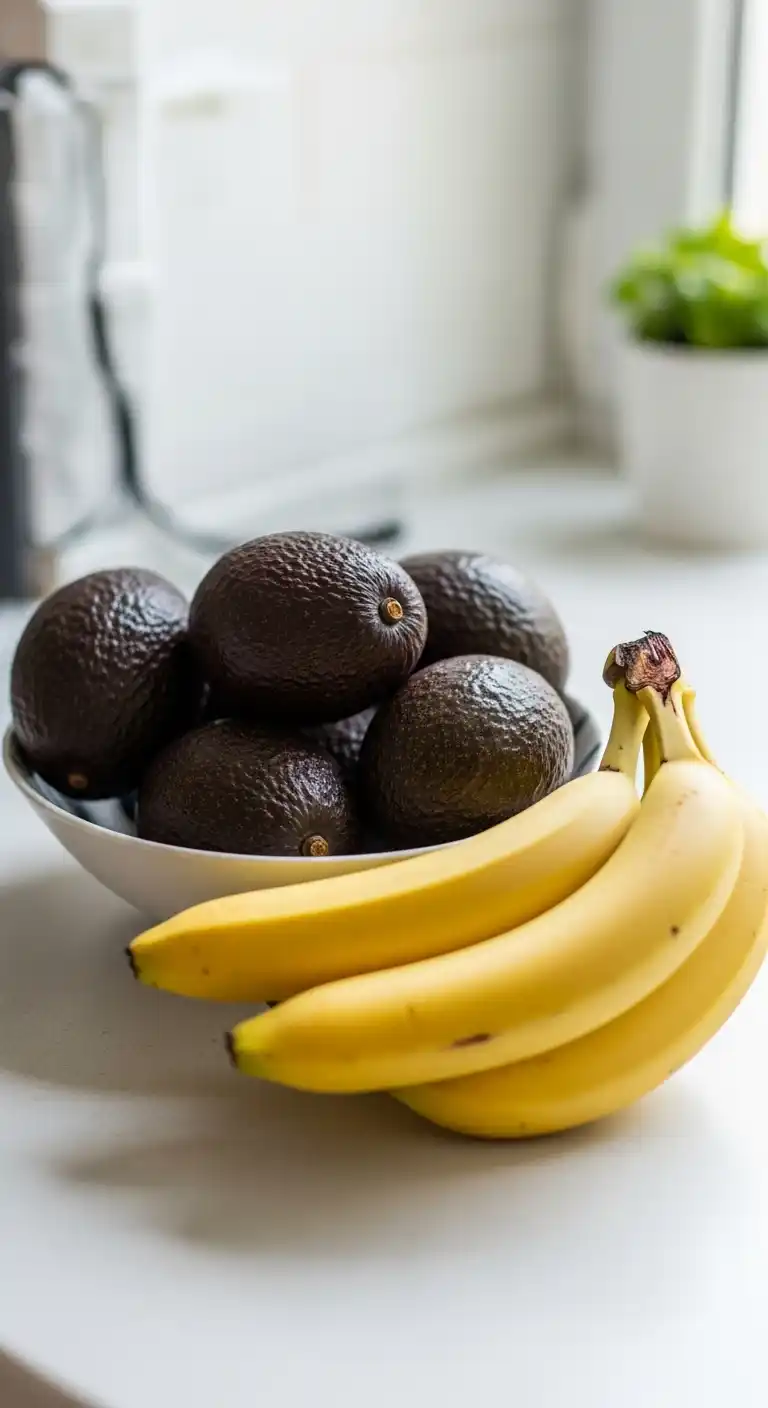
Avocados and bananas ripen better at room temperature, which preserves flavor and avoids premature browning.
Once ripe, you can move avocados to the fridge to slow further ripening for a few days.
Bananas can be separated from the bunch and placed in a cool, dry spot to extend usability.
Avoid refrigerating unripe fruit, as it may alter texture and prevent full ripening, resulting in less flavorful produce.
Monitoring ripeness daily allows you to enjoy these fruits at their peak without waste or overripening.
Proper room-temperature storage also keeps your kitchen organized while reducing the need for multiple trips to the store.
This method ensures creamy, flavorful avocados and sweet, soft bananas whenever you need them for meals or snacks.
19. Store Mushrooms in Paper Bags, Not Plastic
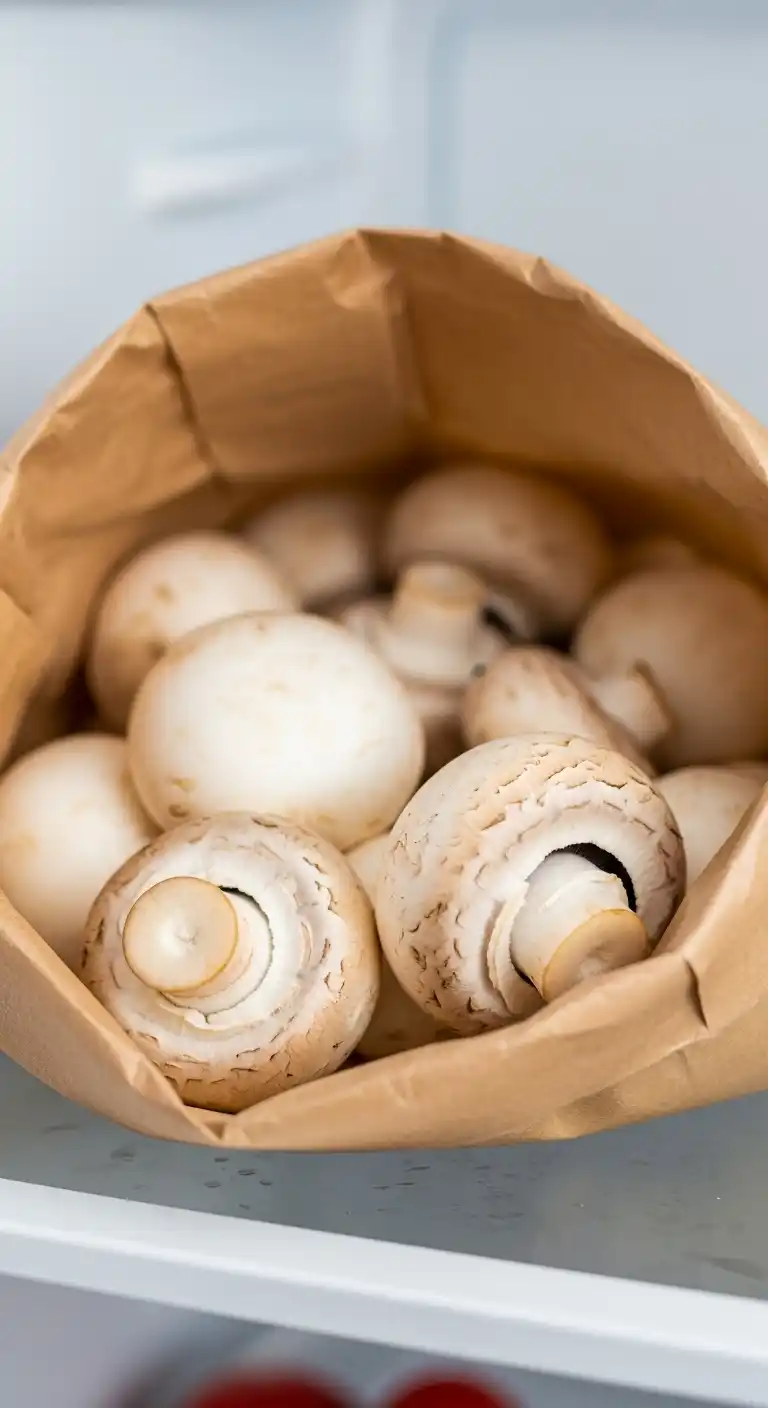
Mushrooms absorb moisture easily, so storing them in paper bags prevents condensation that leads to soggy, slimy produce.
Plastic containers trap humidity, causing mushrooms to spoil faster and lose their delicate flavor and texture.
Place the mushrooms in a single layer inside the paper bag and store in the refrigerator for optimal results.
Avoid washing mushrooms before storing, as excess water accelerates deterioration and reduces shelf life.
If needed, wipe mushrooms with a damp cloth or rinse briefly just before cooking to maintain quality.
This method preserves natural flavor, extends usability, and prevents unnecessary waste of an essential ingredient.
Proper mushroom storage keeps them ready for sautéing, roasting, or adding to salads without compromising texture or taste.
20. Use Refrigerator Drawers for Tomatoes with Care
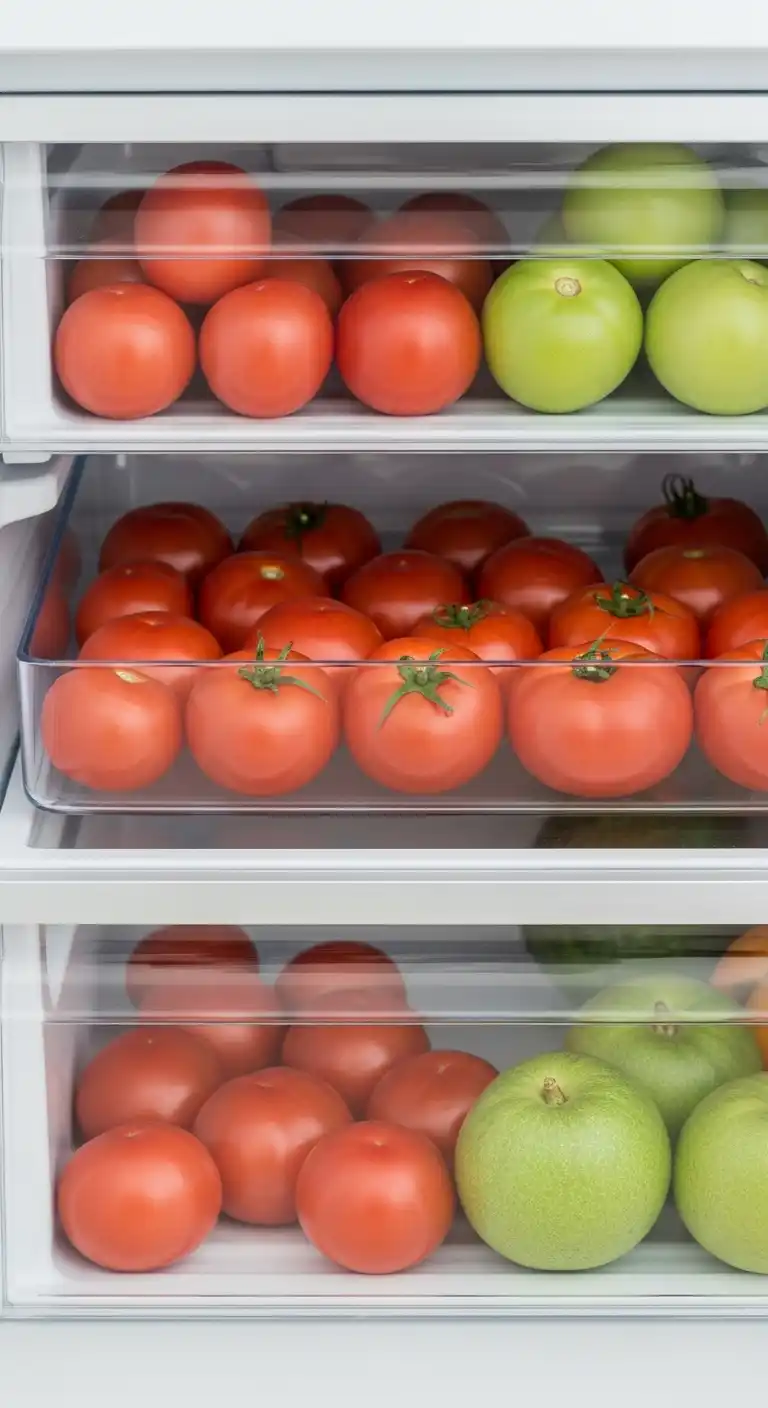
Tomatoes are best stored at room temperature until fully ripe to preserve flavor and aroma.
Once ripe, placing them in the refrigerator slows further ripening and prevents over-softening, especially in warm climates.
Separate tomatoes from ethylene-producing fruits to avoid accelerated spoilage of other produce.
Use a drawer or container with minimal airflow restrictions to maintain texture and prevent bruising.
Monitor tomatoes regularly for signs of softness or over-ripeness to ensure they are consumed promptly.
Storing tomatoes correctly balances flavor, longevity, and convenience, making them ideal for salads or cooking.
This simple technique reduces waste while allowing you to enjoy naturally sweet, juicy tomatoes at their peak.
21. Rotate Stock and Label Containers for Easy Use
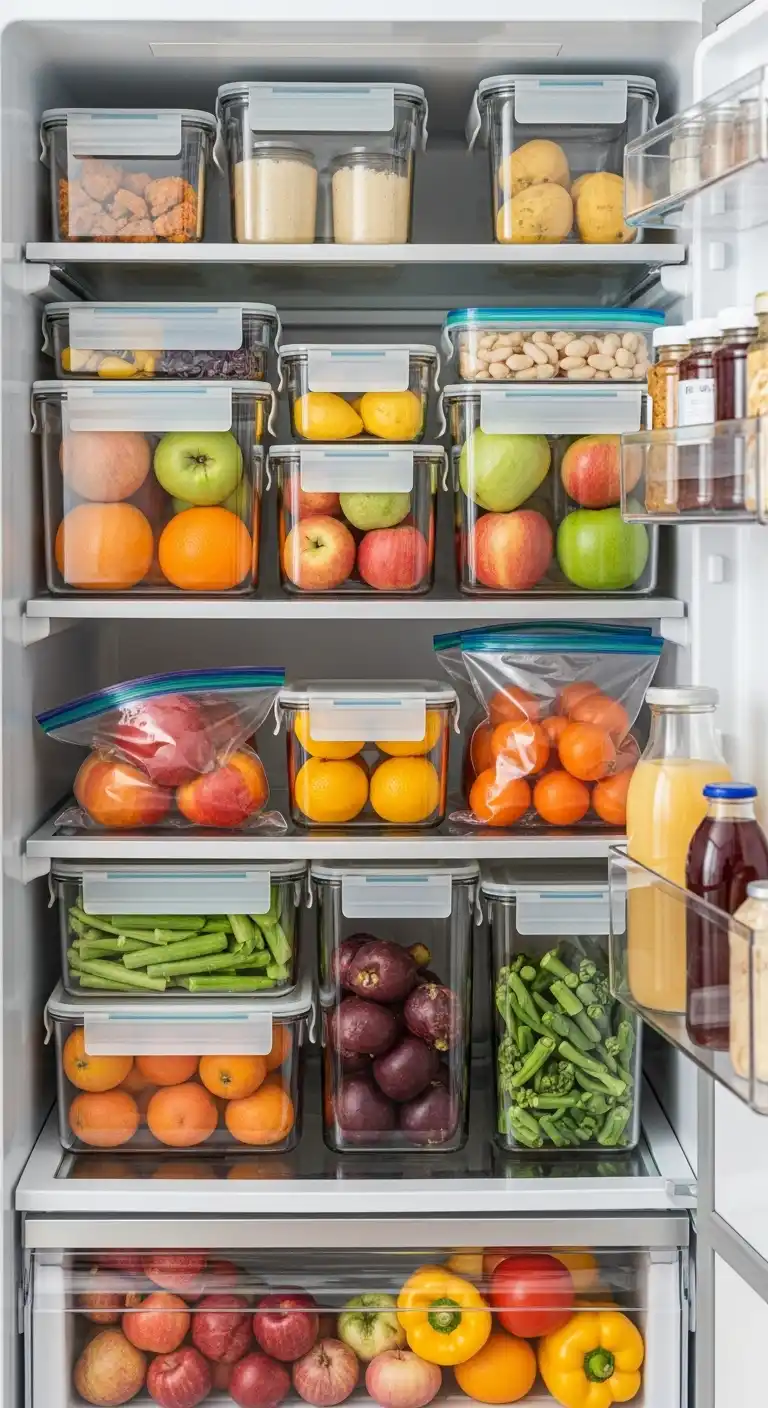
Organizing produce by use-by dates ensures that older items are consumed before newer ones, reducing waste.
Labeling containers or storage bags with purchase dates keeps everything easy to identify at a glance.
Placing older produce at the front of shelves or drawers encourages first-in, first-out rotation in your kitchen.
This method works well for both fridge and pantry storage, keeping produce fresh and minimizing spoilage.
Proper rotation also helps maintain a well-organized kitchen, making meal prep faster and more efficient.
Being consistent with this practice ensures fruits and vegetables are used at their best, preserving flavor and nutrition.
This simple organizational habit complements all other storage techniques, creating a system that saves time, money, and effort.
Tips for Maximizing Fruit and Vegetable Shelf Life

Adjust refrigerator humidity settings according to produce type to maintain crispness and reduce spoilage.
Use ethylene absorbers or separate containers for sensitive vegetables to prevent premature ripening and waste.
Avoid washing produce until right before use, as excess moisture can accelerate decay and shorten storage life.
Consider batch preparation and portioning for freezer storage to maintain freshness and make meal prep more efficient.
Regularly inspect produce for soft spots or mold and remove affected items promptly to protect surrounding foods.
Organizing produce thoughtfully allows easy access, reduces clutter, and encourages healthier, waste-free eating habits.
These small, consistent practices collectively extend shelf life and enhance the overall kitchen experience.
Creative Storage Hacks That Save Space and Time
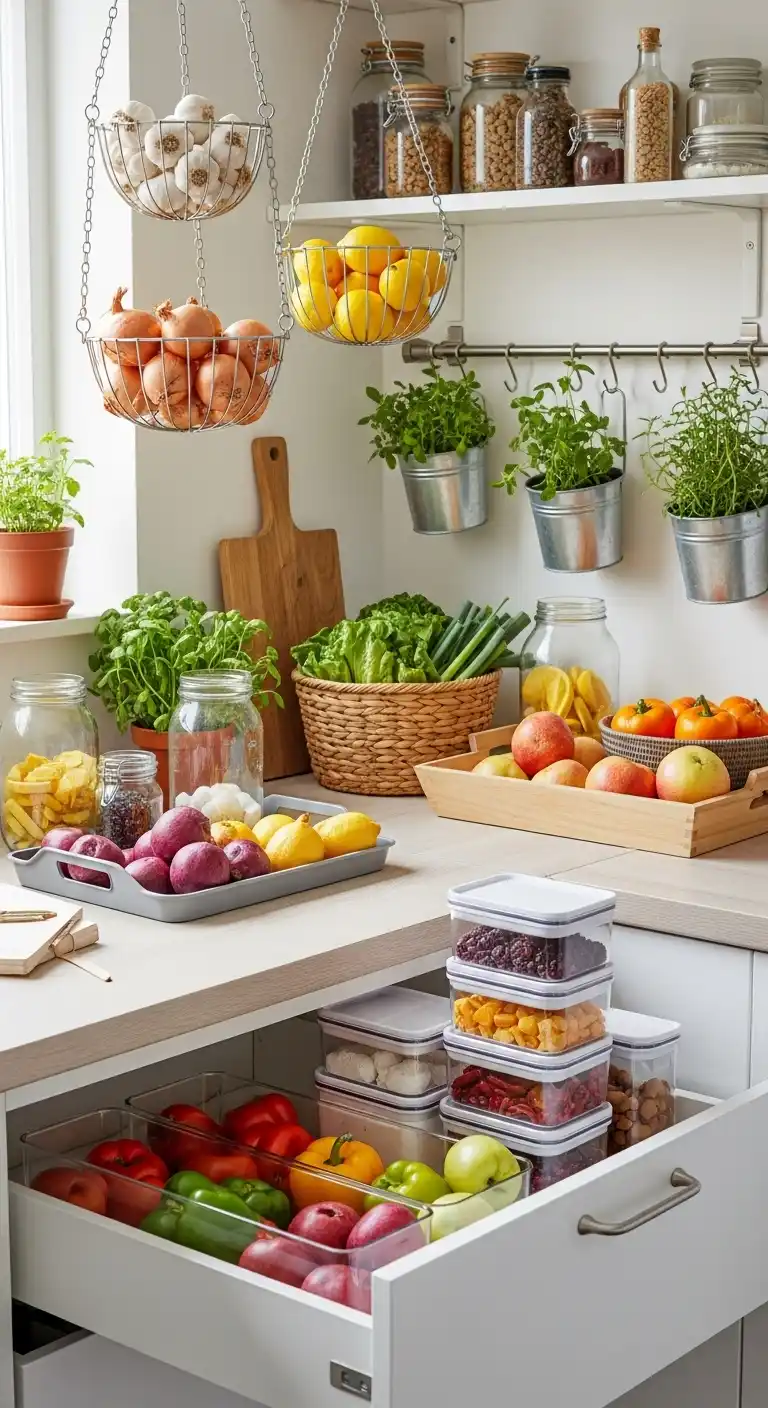
Use hanging baskets or wall-mounted racks to maximize vertical space while keeping produce visible and ventilated.
Stackable containers and drawer dividers help create order and allow easy separation of fruits and vegetables.
Repurposing jars, baskets, and trays can help keep produce off crowded counters and reduce clutter.
Organizing produce by frequency of use ensures items you need most are always accessible without creating mess.
Rotate items regularly to avoid forgetting or letting produce go bad unnoticed.
Creative storage solutions not only preserve freshness but also make the kitchen more functional and visually appealing.
Adopting these hacks makes everyday meal prep faster, easier, and more enjoyable while extending the life of your produce.
Final Wrap-Up
Proper fruit and vegetable storage is essential for maintaining freshness, flavor, and nutrients over time.
Implementing these 21 practical ideas can help reduce waste, save money, and make your kitchen more efficient.
Simple changes like using mesh bags, proper drawer settings, and rotating stock provide noticeable benefits immediately.
Creative hacks and mindful storage routines allow you to enjoy fresh, healthy produce every day without unnecessary trips to the store.
Experiment with different techniques to find what works best for your kitchen setup, produce preferences, and lifestyle.
By staying organized and thoughtful about storage, you can ensure meals are always flavorful, nutritious, and ready to enjoy.
With these strategies in place, your fruits and vegetables will remain fresher, tastier, and longer-lasting for all your cooking and snacking needs.